Oppo Find X10 Series Struggles To Win Buyers As High Prices Take Their Toll
 Dominic Bayley
02 Nov 2026
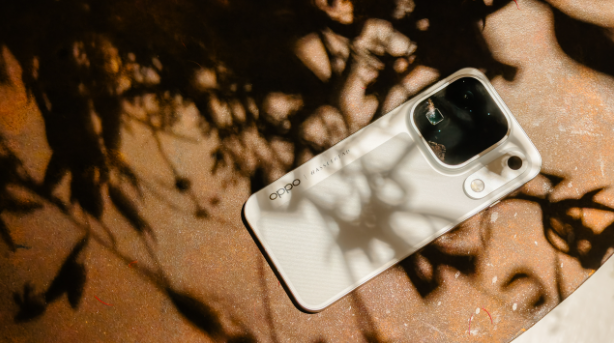
Oppo’s latest flagship smartphones are struggling to convince consumers to part with their money, despite offering some of the most impressive hardware available in 2026.
A new GSMArena reader poll suggests the Oppo Find X10 and Find X10 Pro Max have attracted considerable interest, but their premium prices are discouraging potential buyers.
The findings come as rising memory costs continue to put pressure on smartphone manufacturers, making it increasingly difficult to deliver high-end devices at competitive prices.
The Oppo Find X10 Pro Max has emerged as the more popular of the two models, with its flagship specifications appealing to enthusiasts seeking the best smartphone technology.
However, only around a quarter of respondents interested in the Pro Max indicated they would purchase it at its current price.
Around 10 per cent of voters said they would rather wait for the forthcoming Find X10 Ultra, while approximately twice as many were considering flagship devices from competing manufacturers.
The standard Oppo Find X10 appears to face an even tougher challenge.
Despite being the more affordable model, its price has failed to generate the same level of enthusiasm as the Pro Max.
Only around one in five interested respondents indicated they were willing to buy the Find X10 at its current asking price.
Competition from Oppo’s own previous-generation devices could also be undermining its appeal.

The Find X9 Ultra can reportedly be purchased for a similar price, offering buyers an alternative with premium specifications and Qualcomm’s Snapdragon 8 Elite Gen 5 processor.
By comparison, the Find X10 uses MediaTek’s Dimensity 9600M chipset, which is positioned closer to the previous generation of flagship processors.
In Australia, the Find X10 is listed at A$2,299 at JB Hi-Fi, while the Find X10 Pro Max is priced at A$2,699.
At these prices, Oppo faces fierce competition from premium smartphones offered by Samsung, Apple and other established manufacturers.
The outlook for substantial discounts is also uncertain.
Memory manufacturer SK hynix has warned that global memory shortages could continue until 2030, potentially keeping smartphone production costs elevated.
Surging demand for memory chips from artificial intelligence infrastructure has added pressure to supplies, making it harder for manufacturers to reduce prices without affecting profit margins.
Although Oppo could eventually introduce discounts to stimulate demand, price reductions may be less generous than in previous years.
The poll results are not representative of the wider smartphone market, but they suggest that even technology enthusiasts are becoming more cautious about spending thousands of dollars on flagship devices.
For Oppo, the problem may not be the quality of its latest smartphones, but whether consumers believe their impressive hardware justifies the increasingly expensive price tags.