Oppo Find N6 Review: The Foldable That Finally Gets It Right
 Matthew Powell
02 Jun 2026
Matthew Powell
02 Jun 2026

Foldable phones have always seemed like a little bit of a gimmick — looks like a phone but you can fold it out to be a smallish tablet. Yay. Meanwhile you have the extra bulk, the reduced battery life, and of course the crease in the middle of the folding screen.
Oppo’s Find N6 phone knocks each of those compromises out of the park, and delivers a foldable that, for once, doesn’t feel at all like a gimmick.
In fact, everything about the Find N6 screams “no compromise” even from opening the box it comes in. For one thing, there’s a charger included — remember when that used to be normal? It’s a premium thing now. As well as the charger you also get a fairly basic protective case.
Then when you turn on the phone you’re guided through a setup procedure that includes migrating data from your old phone if you want to. This reviewer was particularly impressed by this, as data migration is a hassle. But all that was required for this one was plugging my iPhone 17 into the Find N6, and the rest happened like magic thanks to Oppo’s ColorOS 16 — a skin that runs over the top of Android. More on that in a minute.
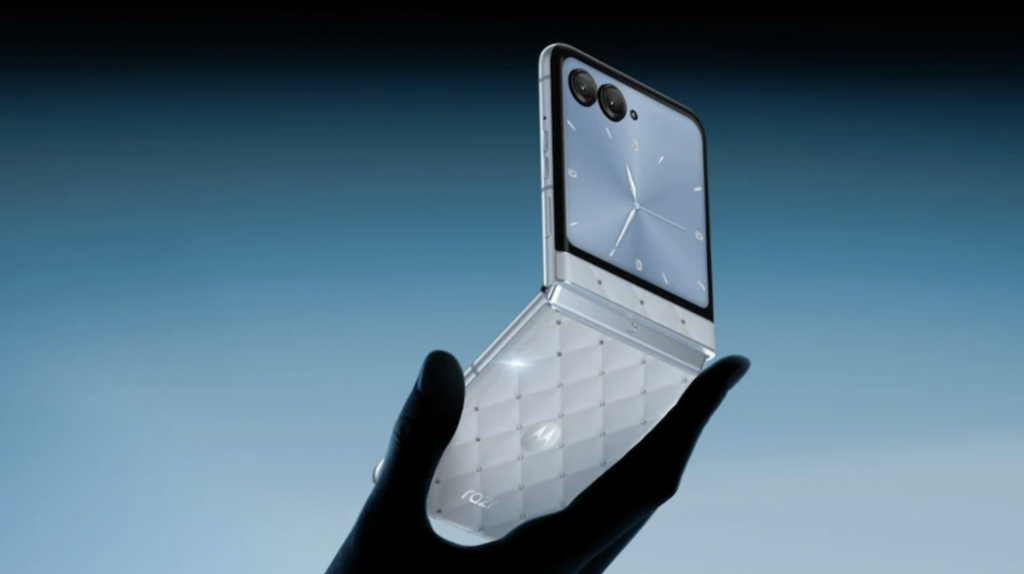
At 160mm by 74 by about 9mm when folded, the Find N6 is about the same size and thickness as the iPhone 17 Pro. And at about 225 grams, it’s only slightly heavier. I actually liked the bit of extra weight, as it adds to the premium feel of the device.
Other foldable phones, even premium models, have been far bulkier — a necessity to accommodate hinges and effectively two screens. But this one feels almost exactly like a normal premium handset. In use as a phone, you’d barely know it’s anything special.
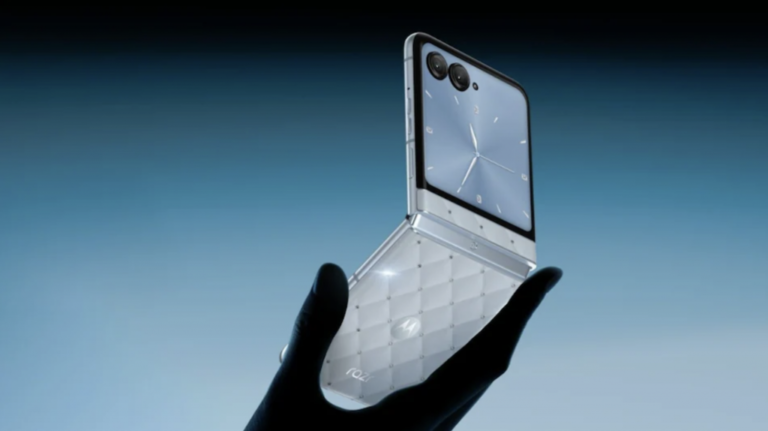
Except that you can open it out to find a square eight-inch tablet screen inside. The first thing you notice is that the titanium hinge locks the two halves in place so the screen is perfectly flat when open. Other foldable devices, such as Samsung’s Galaxy Z Fold6, were notorious for being a little curved when open. The Find N6 clicks into place as a perfectly flat 4mm thick tablet.

Then there’s the crease. It is a law of nature that if you fold something in half you can’t unfold it without seeing some evidence of the fold. So don’t ever expect absolute perfect seamless folding. But what Oppo has done with its clever hinge is make it that the inner screen folds to a kind of teardrop shape, rounded inside that hinge, so the crease isn’t as prominent. It also uses “auto smoothing” glass that behaves kind of like memory foam and does its best to resume its shape.
The result of all this is that the crease is barely noticeable when you first open the phone, and actually gets less noticeable after a few minutes. After a few weeks of opening and closing the device, the effect seemed undiminished. Oppo claims the smoothing will withstand 600,000 folds, though we did not have time to test that.
So what about the battery? The silicon-polymer battery in the Find N6 is rated at a whopping 6000mAh. For comparison, the battery in Apple’s iPhone 17 Pro flagship is rated at 4200mAh — and it doesn’t even fold. The phone easily lasts a day of fairly heavy usage including video chats, streaming, productivity work and of course phone calls on a single charge.
And thanks to the included fast charger, it takes only about 45 minutes give or take to go from completely drained to 100 percent full charge. So no compromise on battery life then.
The other criticism of foldable phones is that few apps are written for the square screen ratio of the inner screen, so everything gets weirdly cropped. Oppo’s ColorOS 16 comes to the rescue there, thanks to Panoramic Free Window software that enables you to run up to four applications at once in their own resizable windows.
Of course you need a fair bit of grunt to run four apps at once, but the Snapdragon 8 Elite CPU inside is near the top of the performance game for mobile processors, and your reviewer was able to run four YouTube videos simultaneously with no noticeable lag. It can do anything you expect a device of this size to be able to do.
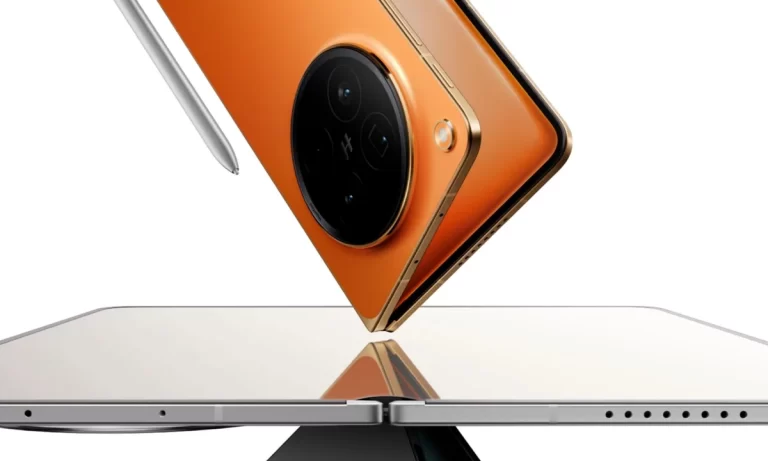
The piece de resistance is of course the camera system, developed in conjunction with premium camera manufacturer Hasselblad. There’s a 200 megapixel main sensor, 50 megapixel wide angle lens, and a 50 megapixel telephoto lens with 3x zoom. And the included software enables you to use these three lenses individually and in combination to reproduce the effect of a number of different Hasselblad lenses. You can spend literal hours just playing with the various options — don’t ask how we know.
The photos it produces are simply incredible for pictures taken on a phone. Even in poor light conditions it managed images with precious little digital noise. Colours are true to life and the bokeh effect (where the background is blurred to accentuate the main subject) looks like something produced on a dSLR. If your decision about which smartphone to buy is influenced by which device has the most versatile camera, the Find N6 has no real competition.
The one criticism of the device is its price, which in Australia is comparable to what you’d pay for a pretty good laptop. This is not the phone you’re going to buy for the kids when they start high school. But Oppo has clearly pulled out all the stops to make this a premium, no-compromise device and the best in its class — it justifies the price.
Rating 4.5/5
Pros:
- Impressive build quality, particularly in the hinge
- Great performance and battery life
- Probably the best camera on a smartphone
Cons:
- Expensive
- Folding screens will always have a crease, no matter how subtle