Samsung Creates Dedicated Robotics Division As AI Moves Into The Physical World
 Emma Wheaton
22 Jul 2026
Emma Wheaton
22 Jul 2026

Samsung Electronics has created a dedicated robotics division as the technology giant accelerates its push into AI-powered machines.
The new unit, called RX (Robotics eXperience), will bring together Samsung’s robotics strategy, technology development and commercialisation efforts under a single organisation.
The move signals Samsung’s intention to compete in the emerging “physical AI” market, where AI moves beyond software and into machines that are capable of interacting with the real world.
Samsung’s robotics push is expected to focus initially on industrial applications, including manufacturing environments where robots can improve productivity, before expanding into business and consumer markets.
The company has previously explored robotics through other projects, like its Ballie home robot, and also invests in robotics technology companies. Samsung has long-term interest in the sector and became the largest shareholder in South Korean robotics company Rainbow Robotics in 2024.
The creation of RX consolidates these efforts as competition intensifies among major technology companies looking to develop next-generation AI-powered machines.
Samsung has appointed Executive Vice President Dongkun Lee, previously head of robotics at Hyundai, to lead its robotics strategy.
The appointment of Lee highlights Samsung’s focus on bringing specialist robotics expertise into the business as it moves beyond research and experimentation.
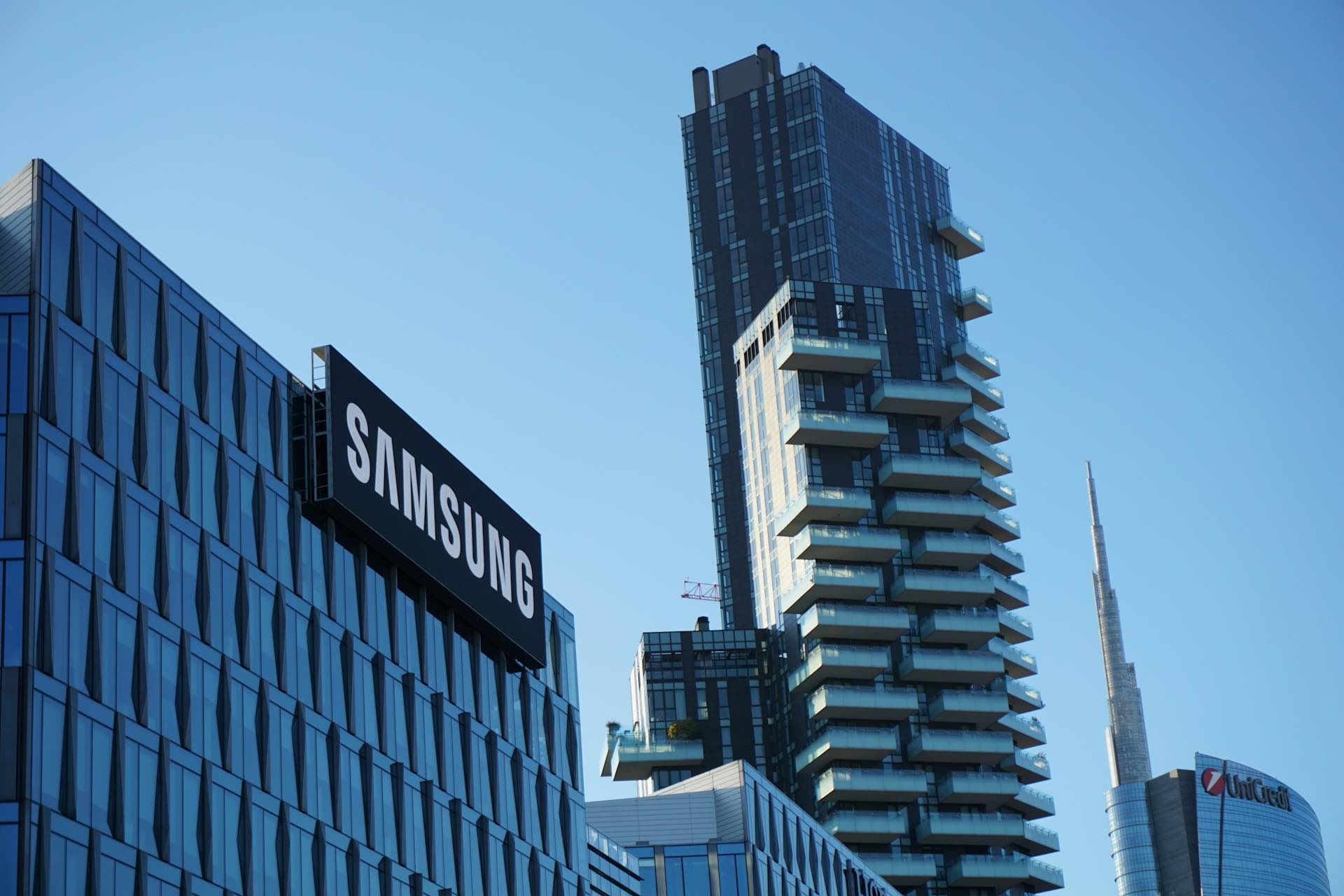
Samsung plans to expand its robotics research capabilities across the globe and has planned research hubs in the US, China and Japan.
Robotics is increasingly becoming a convergence point for several technology sectors where Samsung already has major capabilities — including semiconductors, AI, connected devices and manufacturing. The company’s advantage will come from combining its hardware expertise with AI software and real-world operational data.
The growth of industrial robotics has implications for Australian companies, particularly manufacturers, warehouse operators and logistics providers as they seek to improve productivity and address other workforce challenges, like skills gaps, labour shortages and rising labour costs.
Samsung’s new RX division marks another step in the technology industry’s broader transition from AI from an information generating tool to something that can physically perform tasks.