GoPro Teeters on the Brink as Revenue Collapses and Competitors Close In
 David Richards
02 Jun 2026
David Richards
02 Jun 2026

Action-camera pioneer faces existential crisis amid soaring costs, debt concerns, and a rapidly shrinking market position.
GoPro Inc. is falling into a hole it may never escape, according to analysts, following a 26% decline in revenues last quarter and rising costs driven by a surge in memory prices.
The once-dominant action-camera maker, founded by Nicholas Woodman, has already warned of risks to its ability to continue as a going concern, with the business appearing close to being placed into Chapter 11 bankruptcy protection in the United States. Bloomberg reported this week that surging memory costs are pushing GoPro to the brink.
The numbers tell a brutal story. GoPro reported 2025 revenue of US$652 million, down roughly 19% year-over-year. Camera shipments declined significantly, profits remain elusive, and the company recently announced plans to cut approximately 23% of its workforce in 2026 as part of yet another restructuring effort.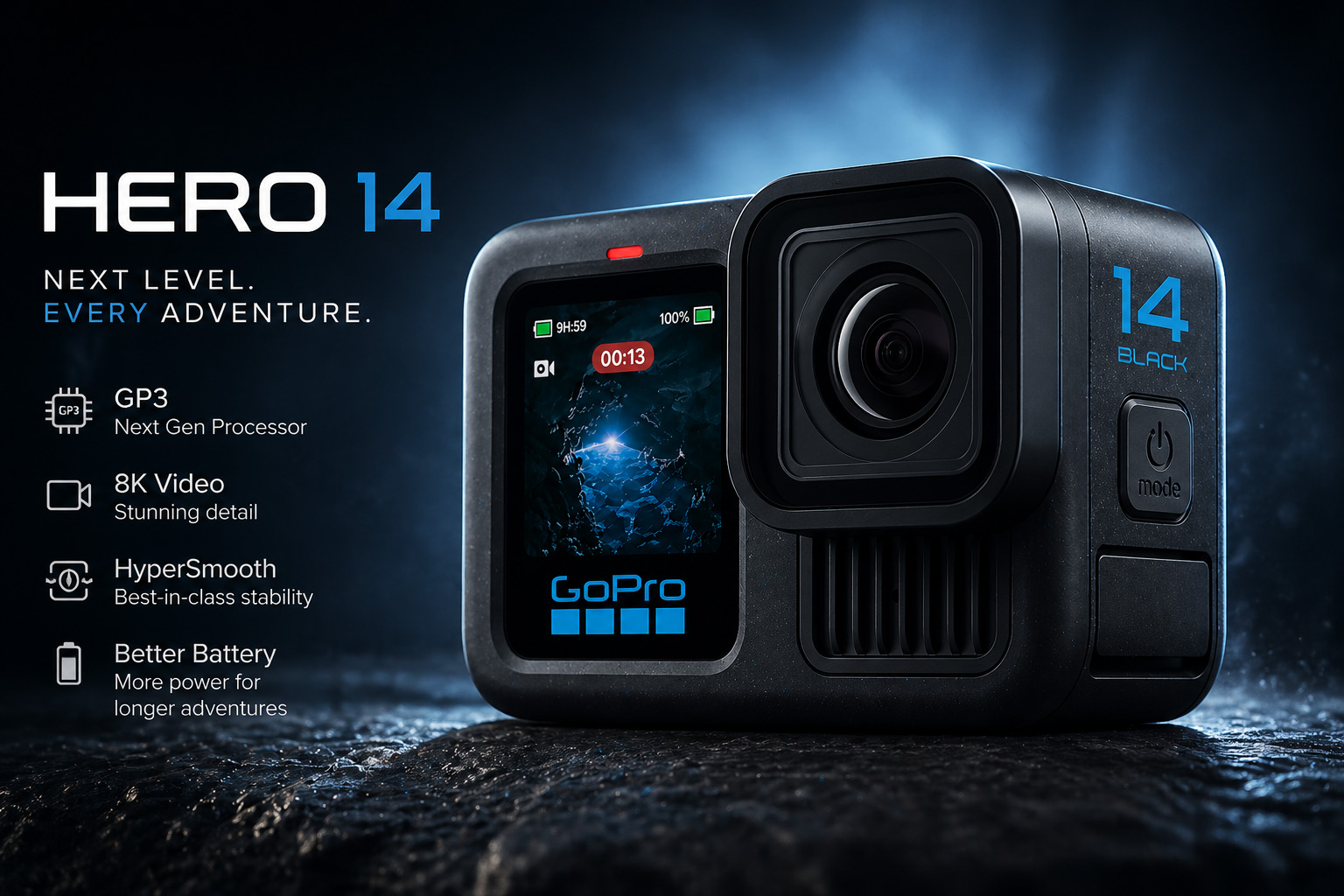
The overall sentiment heading into 2026 is unambiguous: GoPro is no longer the dominant force it once was. The discussion has shifted sharply, from how much the company can grow, to whether it can survive in a market it is already struggling to compete in.
The company, which is now unable to fund mainstream or even trade marketing, is desperately attempting to reinvent itself before rivals DJI and Insta360, along with broader market pressures, erode its position further.
Both analysts and investors have turned their attention to GoPro’s debt and liquidity crisis. The company has taken steps to address maturing convertible notes in the hope of securing refinancing, while analysts highlight ongoing balance-sheet pressure and severely limited financial flexibility.
GoPro has also disclosed that it does not expect to comply with several loan covenants, and warned it may not have sufficient liquidity to meet its obligations if default or cross-default provisions are triggered, causing its outstanding debt to become immediately due.
Adding to its supply-chain woes, GoPro learned from suppliers in April of a planned reduction in memory supply, which would further cut into the camera maker’s already diminished forecasted sales.
Meanwhile, competitors are capitalising on GoPro’s vulnerability. Industry reports now claim DJI has overtaken GoPro in global action-camera market share, with estimates placing the Chinese technology giant at around two-thirds of market revenue by late 2025. Reviewers and analysts point to DJI’s faster product development cycle, superior low-light performance, longer battery life, better stabilisation technology, and seamless integration with its broader ecosystem of drones, gimbals, and creator tools as key advantages.
In what may be a final roll of the dice, GoPro last month engaged advisors to evaluate strategic alternatives, including a potential sale or merger of the business. The company is also exploring opportunities in the defence and aerospace sectors as it searches for new markets and product categories. Management argues the company is entering a new phase, rather than simply defending a declining action-camera market.
There are modest bright spots. GoPro’s subscription and cloud-service revenue generated more than US$100 million in 2025, and the company retains millions of subscribers along with a large and loyal creator community, assets that could prove attractive to a potential acquirer.
Whether those assets are enough to save GoPro, or merely make it a more appealing acquisition target, remains the defining question of 2026.