Sony’s Empire in Freefall: How a Once-Dominant Electronics Giant Lost Control of Its Future
 David Richards
01 Jun 2026
David Richards
01 Jun 2026

Sony in it’s own right is having one last throw of the TV dice, once the undisputed king of the global television market, the Company through incompetence and poor management has ceded operational control of its entire TV and home entertainment business to Chinese manufacturer TCL, in a move that industry insiders are calling the final chapter in one of the most dramatic corporate declines in consumer electronics history.
The deal, which gives TCL a 51% controlling stake in a newly formed joint venture called Bravia Inc, it leaves Sony with little more than its own name, as history repeats itself in the most brutal fashion imaginable.
A New Joint Venture — But Sony Is Not In Control
Today Sony Australia is a business managing decline rather than driving growth.
Last week, Sony unveiled a brand new RGB LED television, a product launch that under normal circumstances would signal confidence and momentum.
Instead, it arrived as a desperate last throw of the dice by a company that has been haemorrhaging ground in the TV market for more than a decade.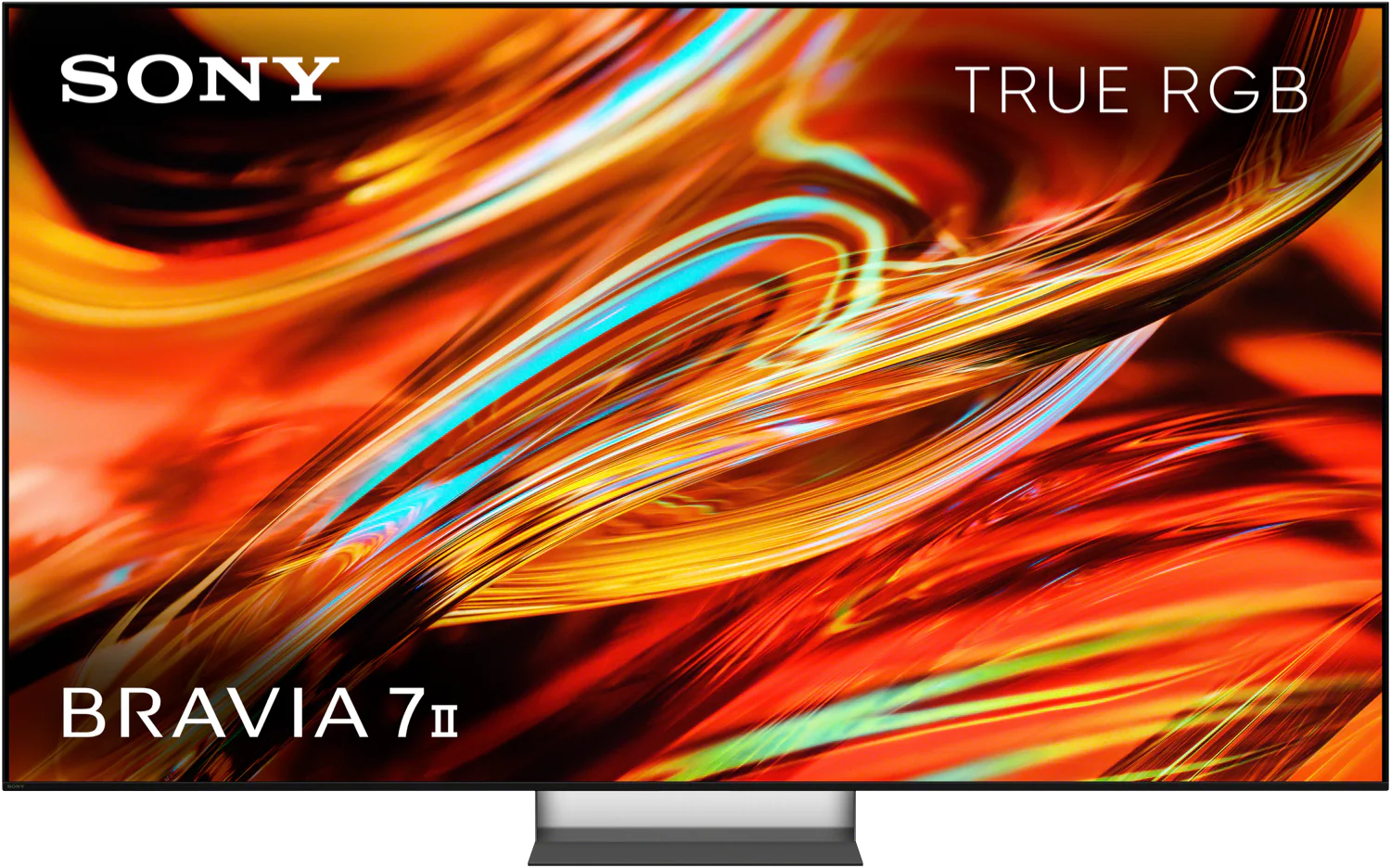
The announcement was overshadowed by the seismic revelation that TCL, the Chinese manufacturing giant that has quietly been producing Sony televisions for years, has now taken 51% ownership and full operational control of Bravia Inc., the joint venture that will govern Sony’s entire future in the television and display space.
Sony retains ownership of its name and the Bravia brand. That is all.
TCL will run the show. Sony will watch.
For those who have followed the company’s long, painful retreat from relevance as I have, the parallels with a deal struck nearly two decades ago are impossible to ignore, and deeply damning.
Time and time again Sony has tried to shut down our exposures of their failings despite the Company coming unstuck by the power of the media.
Samsung, S-LCD, and the First Time Sony Gave Away the Keys
To understand how Sony arrived at this moment, it is necessary to revisit a catastrophic misjudgement made in the early 2000s, one that industry analysts have long pointed to as the moment Sony’s television dominance began to unravel.
As the global television industry pivoted away from ageing CRT and plasma technologies toward LED-backlit LCD panels, Sony’s Japanese management was slow to act. By the time the company recognised that LED was the undeniable future of television, it was already too late to build its own manufacturing infrastructure.
The division was cash-strapped and had no capital to construct the large-scale panel factories the new era demanded.
So Sony went cap in hand to its biggest rival.
In a partnership with Samsung, Sony co-founded S-LCD, a joint manufacturing venture designed to guarantee Sony access to large LCD panels without the punishing capital expenditure of building its own factories. Sony publicly presented the arrangement as a 50/50 partnership. It was not. Samsung held 51% and with it, operational control.
The consequences were swift and predictable.
As production rolled off the lines, Samsung, exercising its majority control, prioritised its own orders.
Sony found itself at the back of the queue in a factory it had helped build.
Samsung had the flexibility, the volume, and the leverage. Sony had neither.
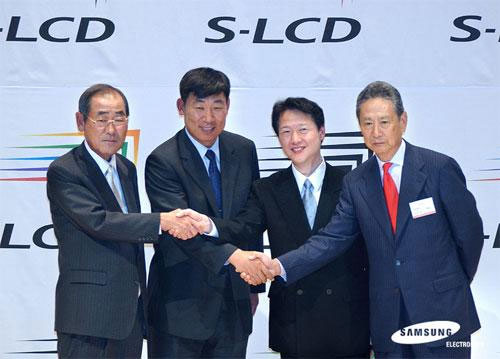
The Samsung Sony Deal fell apart with Samsung becoming the clear winner.
Realising it was locked into a no-win arrangement, Sony increasingly turned to open-market panel suppliers rather than drawing from Samsung Display.
Meanwhile, the industry was shifting again, this time toward OLED and other next-generation display technologies.
Samsung continued investing heavily in display manufacturing.
Sony, pursuing what it described as an “asset-light strategy,” was effectively retreating.
In December 2011, Sony sold its entire stake in S-LCD to Samsung for US$940 million, exiting the capital-intensive business that had once been its competitive lifeline. The factory became wholly owned by Samsung. Sony walked away having helped build one of the world’s most powerful display manufacturing operations, and handed it entirely to the company that would go on to become the dominant force in global television.
Samsung is today the world’s leading TV and display manufacturer. Sony is ceding control of its TV business to a Chinese company for the second time in twenty years.
The Decade-Long Decline No One At Sony Could Stop
The seeds of Sony’s present crisis were sown long before the TCL deal was announced. For more than ten years, Sony has watched helplessly as its television market share was eroded from multiple directions.
Brands such as TCL and Hisense, both Chinese manufacturers offering aggressive pricing and rapidly improving technology, stormed into markets that Sony once owned.
Samsung, already in possession of superior display technology, compounded Sony’s pain by launching its own operating systems and smart TV ecosystems that captured consumer loyalty. LG pressed forward with OLED dominance. Sony, hampered by a chronic lack of marketing investment and pricing that consumers increasingly found uncompetitive, fell further behind with each passing year.
In Australia, the decline has been particularly stark.
Sony’s Australian operation is struggling to match revenues it generated a decade ago, having been forced to downsize multiple times.
The RGB LED television launched last week was in some cases press release only Vs the all in press conferences of the past.
There was no press conference, no pre briefings, instead the Company did what they did at IFA when they tried to control the media narrative, for a TV that does not even have its own operating system similar to LG’s WebOS, or Samsung’s Tizen.
There selective briefings wads a telling sign of a company managing decline rather than driving growth.
Tomorrow We Will Bring You: Sony A Decade of Legal Scrutiny, Tax Disputes, and Corporate Scandal