OPINION: Why Carriers & Govermment Departments Should Stop Blaming Samsung & Take Responsibilty For Their Own Mobile Certification Failures
 David Richards
21 Nov 2025
David Richards
21 Nov 2025

Hours after announcing a capital raise of more than $500 million, TPG — operator of the Vodafone network in Australia — was forced to confront a serious issue: a death linked to a Triple Zero call failure on its network. Faced with public scrutiny, the company quickly shifted blame toward Samsung, claiming older Samsung devices were responsible.
Instead of directing criticism toward the federal authorities responsible for setting standards and enforcing compliance, TPG attempted to position older Samsung phones as the primary cause of the problem. This deflection ignores deeper systemic failures, particularly the government’s lack of oversight in ensuring that smartphones sold in Australia are properly certified and safe for use on local networks.
Blaming older Samsung models is a simplistic and misleading excuse, especially when these devices were in fact certified for the Australian market and approved for the relevant frequency bands at the time of being sold.
The real issue lies in network operators — including TPG and Optus — failing to adequately prepare for the retirement of 3G networks and the continued use of outdated or foreign-configured handsets.
A larger structural problem is the lack of effective regulatory action from federal authorities. 
The Minister for Communications, Anika Wells, along with the Australian Communications and Media Authority (ACMA), the Australian Competition and Consumer Commission (ACCC), and industry group AMTA, have all fallen short in enforcing proper standards for device certification and market oversight.
ACMA, the body most often cited by the Minister, has allowed manufacturers to self-certify devices using third-party assessors — and even instructs them not to return certification documents.
As a result, ACMA frequently lacks accurate information on which models are certified for Australian networks and instead on very occasional requests to manufacturers and suppliers.
This administrative gap has now evolved into a public safety concern.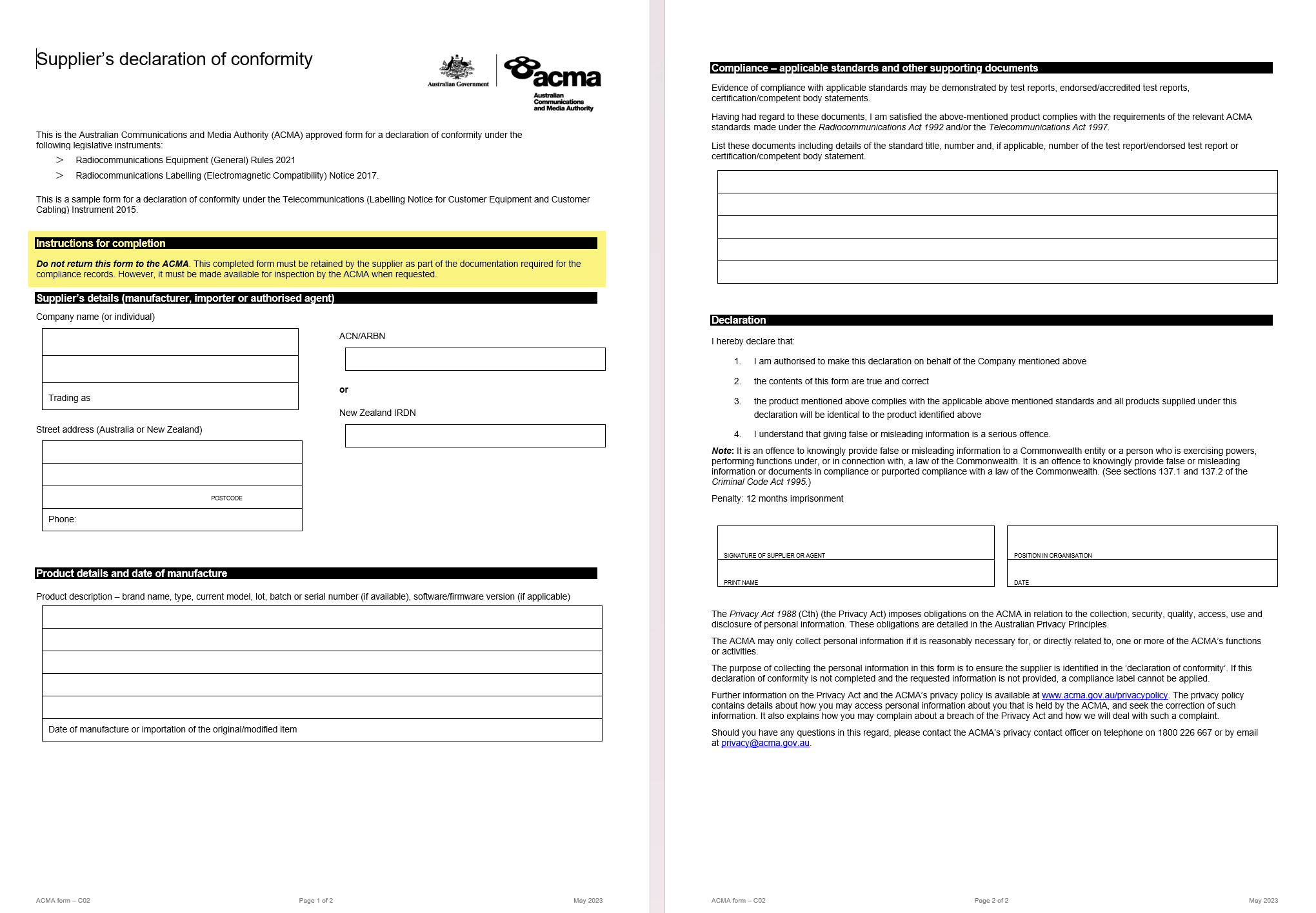
Equally troubling is the widespread sale of grey-imported smartphones by retailers such as Kogan and more than 100 questionable web sites and Asian imports of devices.
At Kogan these devices, which include brands like Huawei, Apple, Samsung, OnePlus, and Xiaomi, often bypass network requirements and therefore may not comply with Australian network requirements.
Many are configured for international markets with different frequency bands, software limitations, or region-specific features.
Kogan does buy Samsung products locally via a distributor but they also have a marketplace that sells Samsung products not purchased via Samsung Australia.

Another questionable seller of smartphones is Amazon with their sites listing multiple brands, including in their marketplace:
Apple iPhones which are frequently listed, including new, unlocked and “renewed” models.
Samsung, Xiaomi (including Redmi sub-brand) these show up in “best deals” lists on Amazon. OnePlus is also commonly featured in Amazon’s smartphone line-ups.
Realme whose none Australian certified devices were at one stage being sold by Oppo in Australia.
Also listed are Vivo, Nokia Honor who has recently launched in Australia with the Amazon models shipped from overseas.
NAvailability depends on region: Brands available on the U.S. Amazon marketplace may differ from those on the Australian version (amazon.com.au) due to licensing, import regulations, seller agreements, and regional launches.
Some listings may be “import/unlocked” versions rather than local-carrier-supported models.

Grey imports commonly suffer from issues such as:
Network incompatibility: Missing 4G/5G frequency bands results in unreliable coverage.
Emergency call failures: Some devices cannot correctly route calls to Triple Zero.
Lack of local certification: Devices may not support Australian VoLTE, Wi-Fi calling, or fallback protocols.
No official warranty or updates: Region-locked firmware can prevent over-the-air updates or security patches.
Electrical incompatibility: Chargers may not meet Australian safety standards.
Potential security risks: Some imported devices carry unvetted firmware or unwanted data-collection software.
Foreign-configured devices brought in by new migrants can also pose similar risks if they do not meet Australian certification standards.
The recent incidents involving Optus highlight this danger: several devices that failed during emergency calls were Samsung-branded but had been originally configured for overseas networks and never imported by Samsung Australia.
Return logistics for grey imports also place consumers at a disadvantage, as faulty devices often must be shipped back overseas, making consumer protections difficult to enforce. Some online sellers further complicate matters by advertising devices as suitable for the Australian market when they are not.
What Needs to Change
Australia urgently needs a comprehensive overhaul of how smartphones are imported, certified, and approved for local network use.
Government bodies — including ACMA and the Department of Communications — must take responsibility for their lack of action. A mandatory and transparent certification system should be implemented, requiring carriers to allow only properly certified devices onto their networks.
This would reduce the risks associated with incompatible, misconfigured, or grey-imported phones and help ensure public safety, particularly for emergency call services.
Carriers need to be able to identify a none certified device and when a consumers applies attaches to a network for the first time with a none compliant device often used by visitors they need to be sent a message pointing out the risks associated with making a 000 emergency call. They do it for global roaming when they are trying to hit up a consumer for $10 a day roaming fee why not a message re none compliant devices.
Until the federal government enforces stronger oversight, Australians will remain vulnerable to avoidable network failures — and the consequences may continue to be fatal.