OPINION: Nine Network Axes Karl Stefanovic — And In Doing So, Reveals Everything That’s Wrong With Australian Media
 David Richards
25 Jun 2026
David Richards
25 Jun 2026
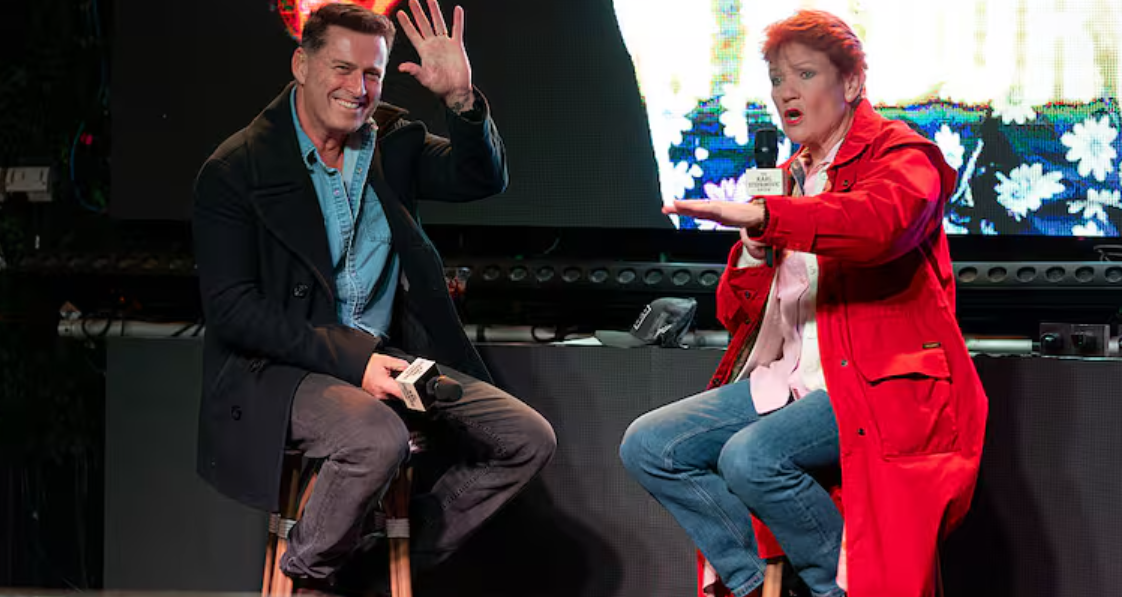
Karl Stefanovic has almost certainly hosted the Today show for the last time, and the manner of his going is a damning indictment of what the Nine Network has become.
The trigger was a Tommy Robinson interview. Stefanovic sat down with the British ultra-right activist for close to an hour, promoted it with a clip of the two walking London’s streets, and called recently resigned Labour prime minister Keir Starmer a wanker. Nine management — more comfortable running car fires in Western Sydney and street brawls in Melbourne than anything that might upset an advertiser or a progressive newsroom — moved quickly. Stefanovic was gone.
This is a network that’s more interested in chasing shoppers today than attracting an audience by delivering great news coverage.
Think about that for a moment. A network that will happily platform radical union voices, give oxygen to the CFMEU’s industrial muscle, and run sympathetic coverage of every left-leaning cause that crosses the wire suddenly discovered its principles the moment a right-wing perspective hit air.
One Nation leader Pauline Hanson has already condemned the exit. She’s right to.
The issue isn’t whether Tommy Robinson is someone you’d invite to dinner.
The issue is who gets to decide what Australian viewers are allowed to see and hear.
The answer, in a functioning media organisation, is the viewer.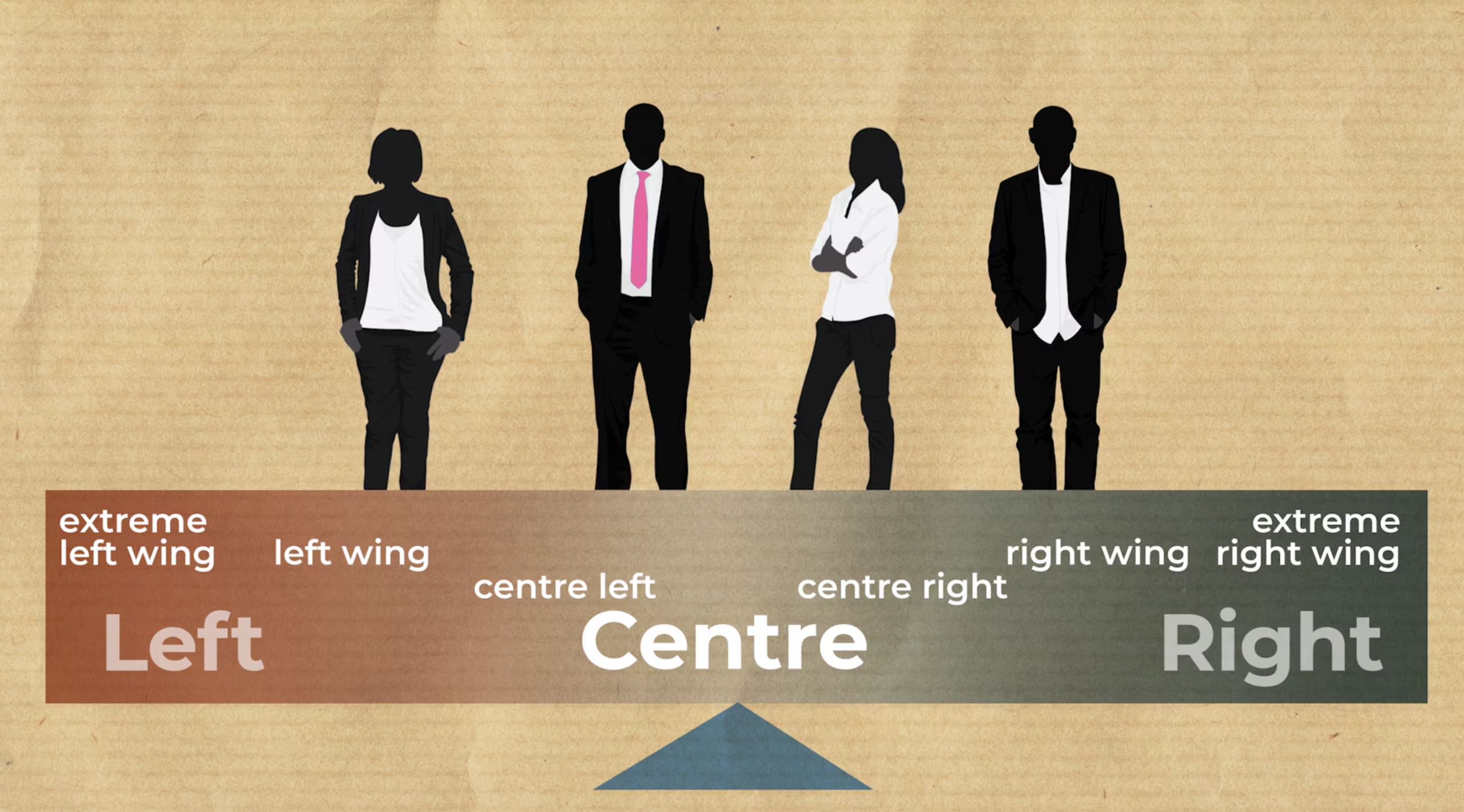
Not a woke network executive running cover for advertisers.
I worked on A Current Affair when the editorial mandate was simple: news first, controversy welcome, consequences accepted.
Executive producer Peter Meakin once asked New Zealand Prime Minister Robert Muldoon, to his face, why people called him Piggy Muldoon. The Australian Foreign Affairs department was asked qiestions about “gutter journalism” in Australia with the story generating tens of thousands of viewers.
The story ran. That’s journalism.
What Nine operates today is something else entirely.
Its print arms, The Age and The Sydney Morning Herald, run what amounts to an ongoing campaign against Pauline Hanson and Barnaby Joyce. Their television operations treat Donald Trump as a punching bag with balance an afterthought. And now they’ve dumped one of their best-known journalists because he strayed off the ideological reservation.
This isn’t unique to Australia. A recent study of more than 3,500 political and policy news stories across 12 outlets found left-leaning journalists demonstrably apply more subjective framing to their coverage. Journalists with greater editorial autonomy showed stronger alignment between their personal politics and the value frames in their stories.
At Nine, years of budget cuts and salary compression have hollowed out the newsroom, leaving behind a cohort of producers and writers whose politics run in one direction only.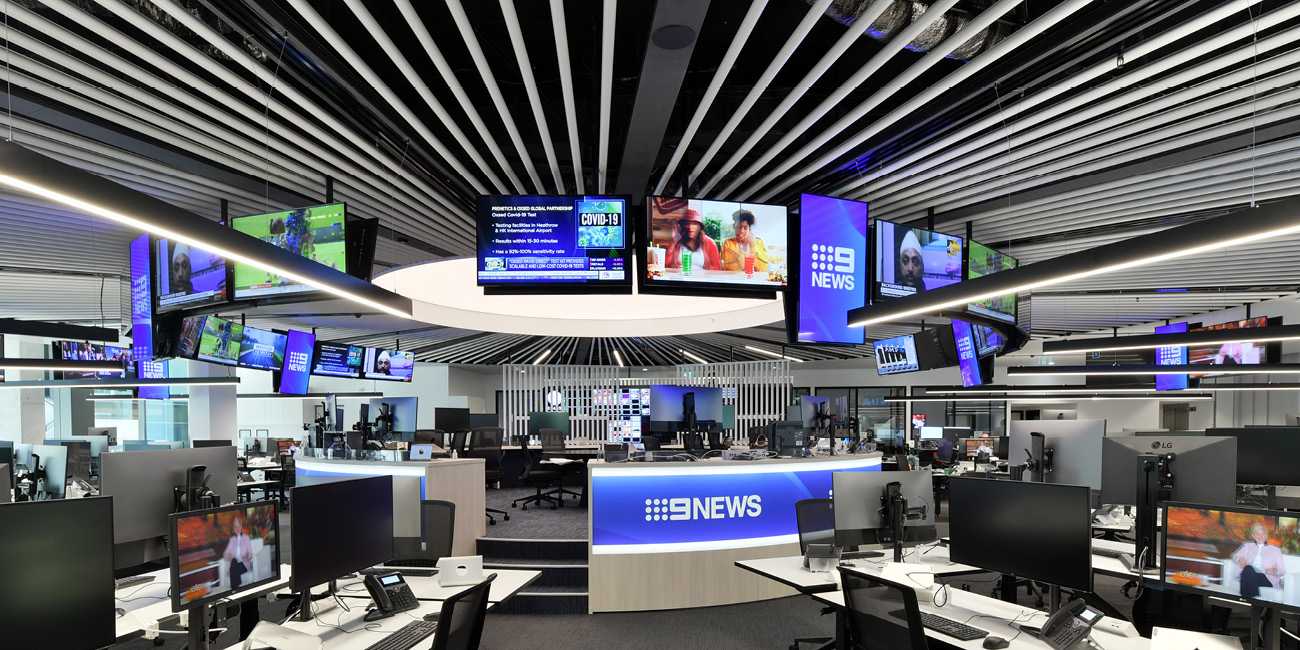
The ABC sits in the same frame. Critics have called for genuine reform of its culture top to bottom, arguing it is effectively shaped by ideological activists operating behind the fiction of neutral public broadcasting.
In February 2026, Donald Trump filed a multi-billion-dollar lawsuit against the BBC. Its director-general and head of news subsequently resigned. The BBC’s left-wing capture was no longer deniable.
During this year’s federal election campaign, Peter Dutton labelled the ABC, Guardian Australia and allied outlets hate media. Whether you agree with Dutton or not, the ABC takes $1.1 billion in taxpayer funding annually and is legally required by its charter to provide balance. It doesn’t. Pauline Hanson has already flagged SBS as a target if One Nation gains sufficient influence. That’s what ideological overreach from publicly funded broadcasters eventually produces.
What Nine has done with Stefanovic is dress a political decision in the language of human resources. The result is the removal of a genuinely talented journalist whose sin was pursuing a story that made management uncomfortable. The viewers who watched him every morning didn’t get a vote.
I have spent my career in journalism. The profession I entered valued the left hook and the right hook equally, and trusted audiences to make their own calls. What has replaced it, at Nine and across much of the legacy media sector, is something closer to managed messaging — controversy permitted only when it points in the approved direction.
The Stefanovic axing is not a personnel matter. It is a statement of editorial values. And it should concern anyone who thinks Australian media still has a role to play in holding all sides of politics to account.