Questions Raised Over Microsoft Quantum Computing Claims
 Joe Gallop
25 Jun 2026
Joe Gallop
25 Jun 2026
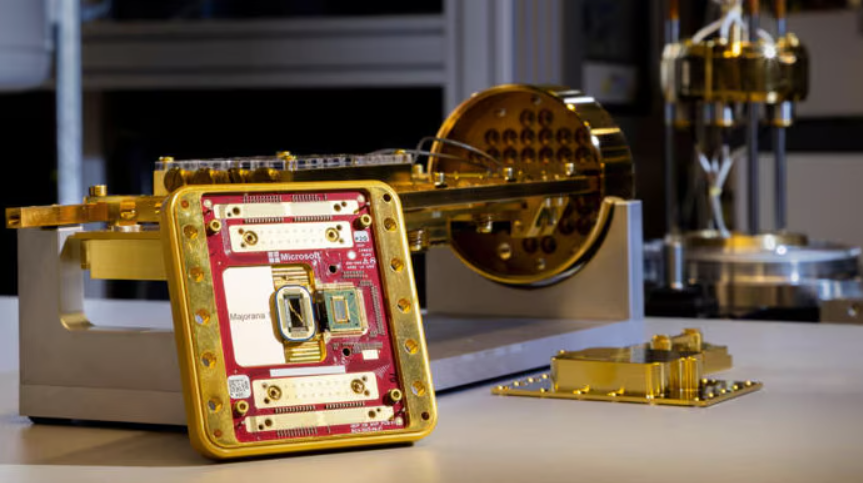
Microsoft’s ambitious quantum computing push is facing renewed scrutiny after a peer-reviewed critique published in Nature questioned the foundations of a breakthrough the company has used to support its roadmap for a working quantum system by 2029.
The critique, written by University of St Andrews quantum physicist Dr Henry Legg, challenges Microsoft research published in February 2025 that underpins the company’s Majorana-based approach to quantum computing.
Unlike rivals including IBM, Google and Quantinuum, which are pursuing more established quantum technologies, Microsoft has spent nearly two decades betting on so-called Majorana-based qubits. The company argues these could be more stable and easier to scale than competing designs.
But Legg claims Microsoft’s software tool, used to identify a tiny energy gap in a conductive wire, produced “inconsistent and misreported outcomes”. He also argued that broader data released by Microsoft showed random noise rather than clear evidence of the gap the company claimed to detect.
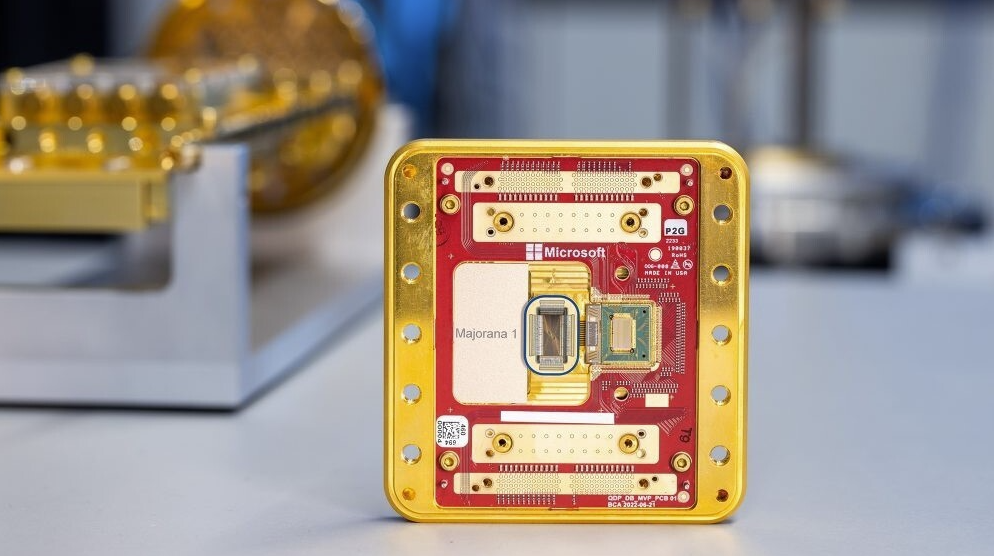
The finding matters because Microsoft says the gap is a key step toward creating more durable qubits, the basic units of quantum computers. Qubits are powerful but highly fragile, often losing their quantum state due to small changes in temperature, vibration or other interference.
Microsoft has rejected the criticism, saying the software is a “practical tuning tool” and that its quantum hardware program continues to make progress.
Chetan Nayak, who leads Microsoft’s quantum hardware work, said the company already uses the tool to set up chips now carrying out quantum computing operations.
“At the end of the day, success is the delivery of a scalable quantum computer,” Nayak said, adding that Microsoft stands by its research and roadmap.
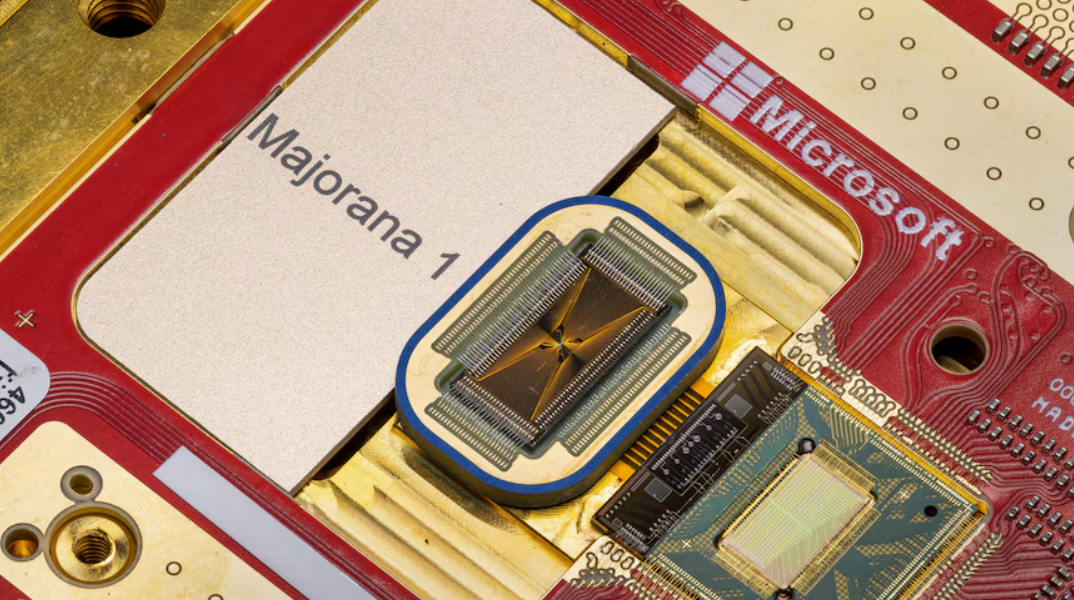
The dispute adds to a history of scepticism around Microsoft’s quantum program.
Two previous Microsoft-backed papers have been retracted from Nature, while editors have attached warnings to other related papers.
Legg also claimed Microsoft has still not conclusively proven the existence of Majorana particles in its devices, a central element of its quantum strategy.
Microsoft says it is sharing data with US defence agency DARPA for independent assessment, while maintaining that some information remains commercially sensitive.