NSW Minns Government Bows To Union Demands, Slammed For Dodgy Move On Retailers
 David Richards
04 Dec 2025
David Richards
04 Dec 2025

The NSW Minns Government appears to be yielding to union pressure, prompting strong criticism from the Australian Retailers Association (ARA) and the National Retail Association, with some retailers describing the proposal as “big brother” interference in how Australian businesses operate.
In what is being viewed as a coordinated escalation against retailers—who are already facing contentious Federal Labor initiatives aimed at regulating retail use of AI and giving unions influence in hiring and termination decisions—the Minns Government is now advancing legislation that would grant Health and Safety Representatives and union officials unprecedented access to employers’ digital management systems. Critics have labelled the proposal as “unionised big brother”.
Both the ARA and NRA argue the move poses serious risks to privacy, confidentiality and the protection of commercially sensitive information.
The Work Health and Safety Amendment (Digital Work Systems) Bill 2025, introduced without industry consultation, is seen as likely to increase red tape, undermine national WHS harmonisation, and heighten compliance burdens for businesses. 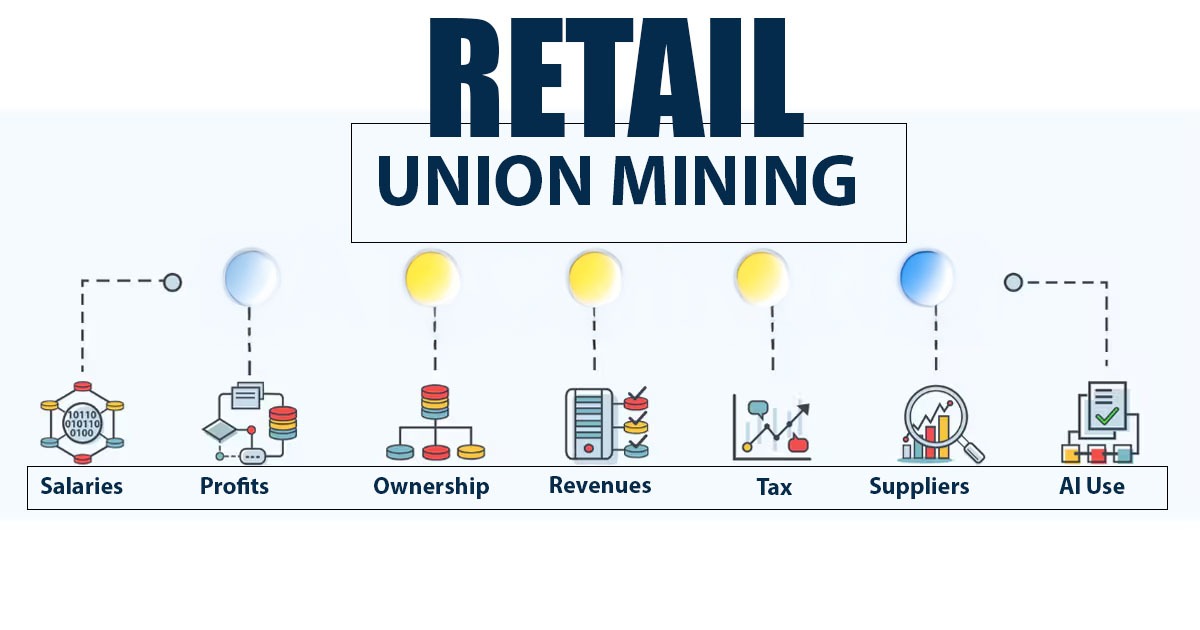
ARA CEO Chris Rodwell warned that the bill would allow union officials broad access to employers’ digital systems based solely on a suspected WHS breach — raising significant concerns about exposure of confidential business data and sensitive employee information.
The bill’s scope is also raising alarm. It could apply to “any algorithm, automation, online platform or software,” meaning even basic tools such as rostering, scheduling, or bookkeeping systems—not just modern AI-driven platforms—could fall under regulatory scrutiny.
Consumer electronics and appliance retailers argue the legislation would expose them to heightened liability for virtually any digital tool, hampering innovation and productivity. Several retailers with NSW-based head offices are considering relocating to other states, claiming the bill could prevent them from adopting new software or automated AI systems that streamline business operations.
Small retailers are especially concerned that giving union permit-holders access to digital systems could result in leaks of confidential client records, payroll data, or operational information under the guise of safety inspections.
There is also widespread frustration over vague terminology. Terms such as “excessive or unreasonable workloads,” “unreasonable monitoring,” and “discriminatory practices” are not clearly defined, leaving businesses uncertain about compliance expectations and legal exposure.
Retailers warn the bill will disproportionately affect small businesses, which often lack the resources to review, audit, or modify all their digital systems—including legacy platforms—to ensure compliance, putting them at a competitive disadvantage.
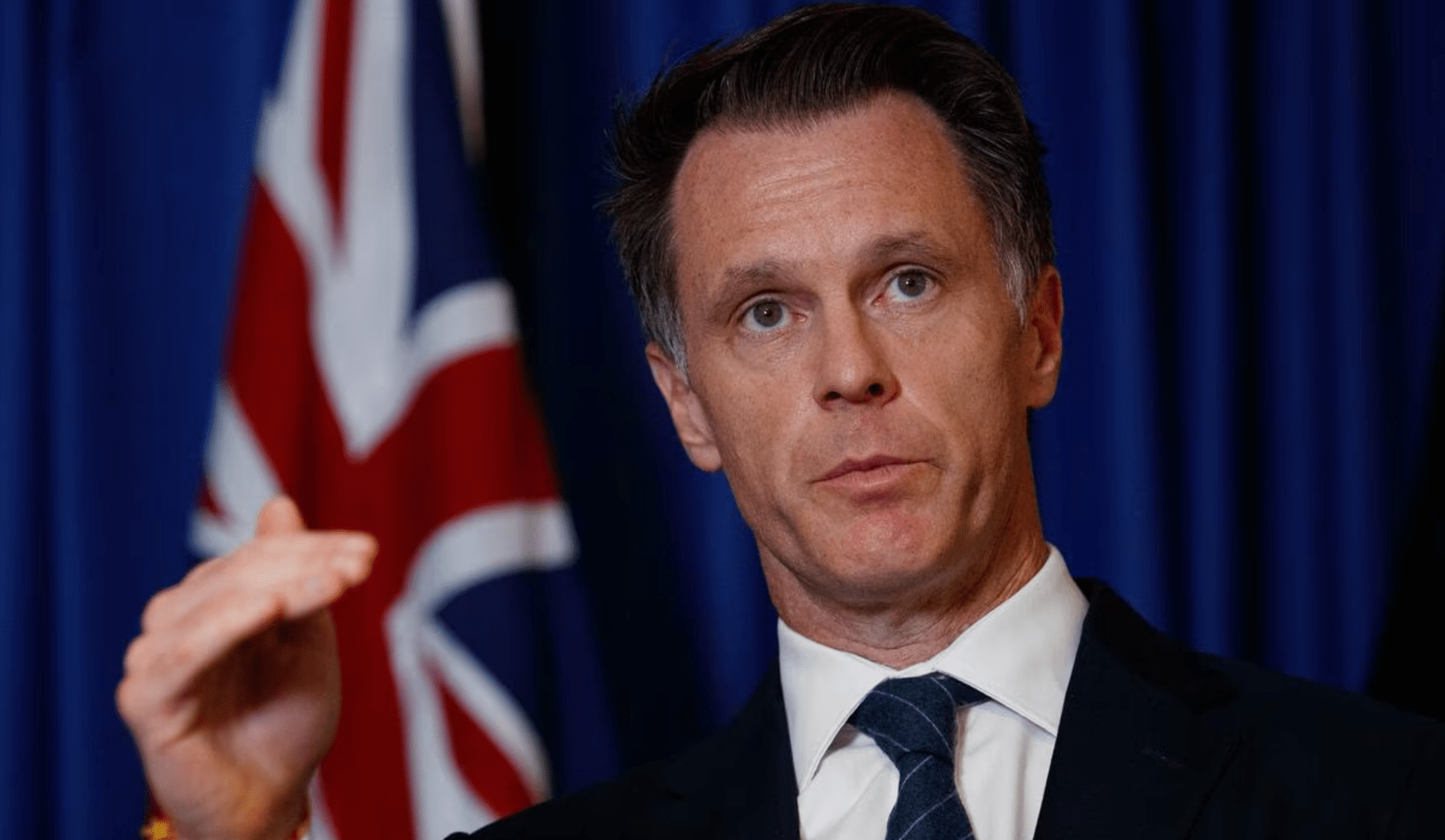
NSW Premier Chris Minns is Backing The Reforms
“The bill proposes unprecedented access to commercially sensitive digital systems, from AI and automation tools to routine scheduling and payroll platforms,” Mr Rodwell said. “This is a backwards step for privacy and security—one that would not be acceptable in any other regulatory setting.”
He added that the proposal represents a significant break from existing WHS laws and from the nationally harmonised framework that NSW has historically supported.
The bill introduces new obligations around “digital work systems”—including everyday workplace tools such as email, rostering software, payroll systems, AI applications and basic scheduling tools—that were put forward without proper consultation and extend well beyond established WHS requirements.
Mr Rodwell argued that the changes would create uncertainty and substantial compliance burdens for thousands of NSW businesses, including small and family-run retailers already under strain.
“Retailers are committed to safe and healthy workplaces, but these changes go far beyond the established WHS framework,” he said. “They were introduced without consultation, they are poorly defined, and they risk creating confusion, duplication and unintended obligations for businesses across the state.”
He further warned that the proposed laws would create a complex overlay on top of existing state and federal regulations—including anti-discrimination, workplace-surveillance and privacy laws—while contradicting the nationally agreed WHS model overseen by Safe Work Australia.
“We are at peak regulation, and governments have committed to reducing duplication and unnecessary compliance,” Mr Rodwell said. “If the NSW Government wishes to explore reforms in this area, they must occur through national consultation. Introducing state-based laws of this kind risks fragmenting the WHS system and increasing costs for businesses operating across multiple jurisdictions.”
The ARA and NRA are urging the NSW Government to use national consultation pathways—such as structured engagement through Safe Work Australia—to assess emerging risks and develop balanced, evidence-based policy. Until such consultation occurs, they say, the Bill should not proceed.
“Retailers support modern, safe workplaces, but reforms must be workable, nationally consistent, and based on sound evidence,” Mr Rodwell said. “This Bill does not meet that standard. We urge the Government to reconsider and return to a consultative national process.”