Samsung Could Be The Reason Apple Delayed Its iPhone 18 Launch
 Dominic Bayley
16 Nov 2026
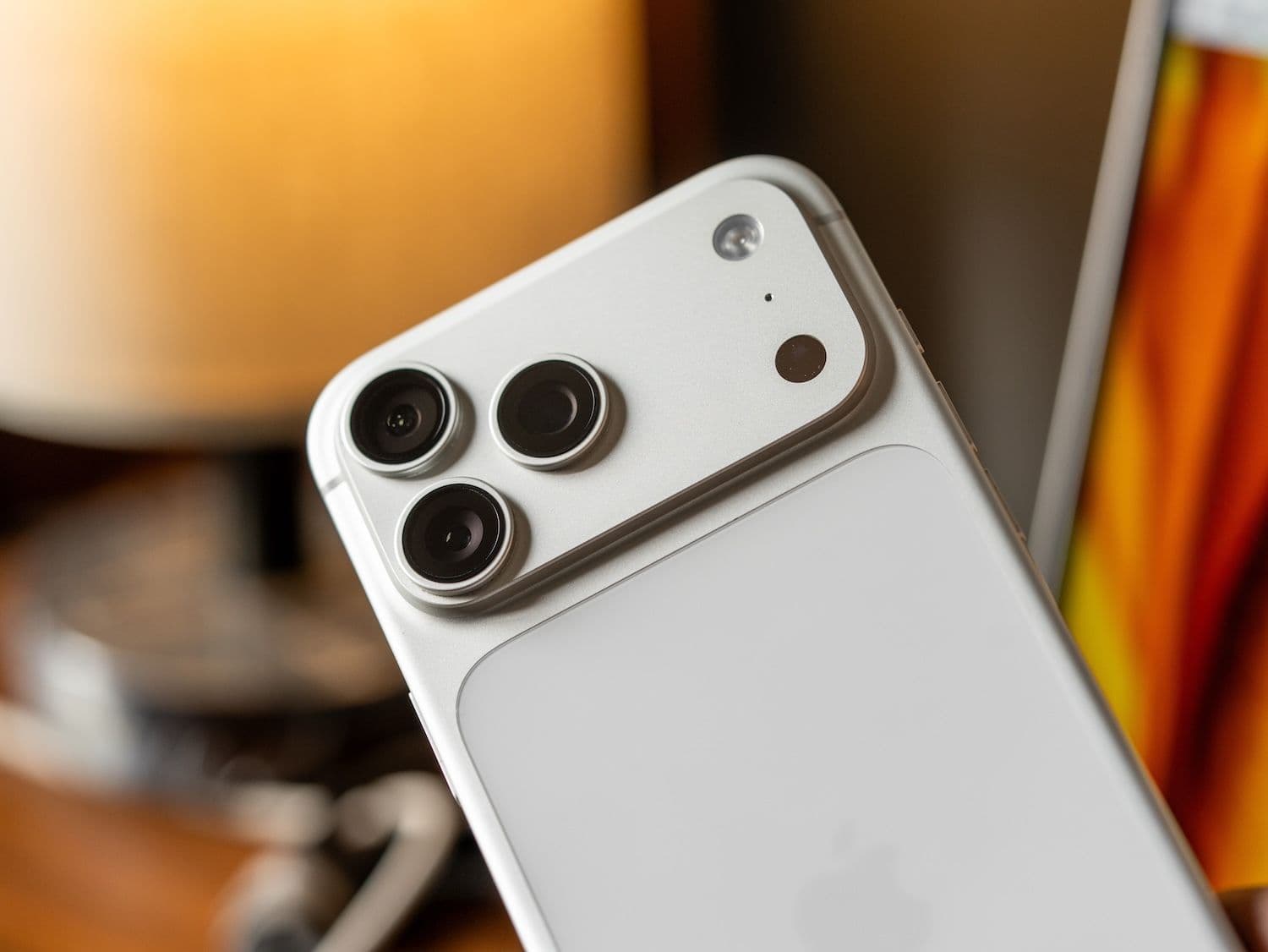
Apple’s decision to delay the standard iPhone 18 until next year could be linked to Samsung, with a new report suggesting the company is waiting for its smartphone rival to begin mass production of advanced camera sensors.
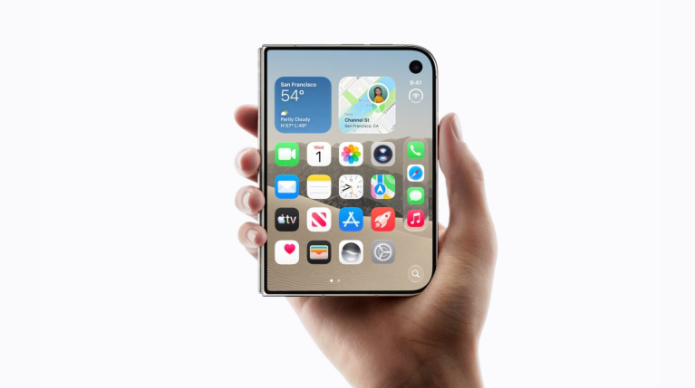
Apple departed from its traditional September launch schedule this year, unveiling the iPhone 18 Pro range and its first foldable iPhone, the iPhone Duo, without introducing a standard iPhone 18.
The regular model is now expected to launch during the first half of 2027, potentially alongside the iPhone 18e and second-generation iPhone Air.
According to Japanese semiconductor publication Semicon Portal, Samsung’s production timetable for new image sensors may have influenced Apple’s decision to stagger its smartphone releases.
Semiconductor industry journalist Takeshi Hattori believes Apple could be waiting for Samsung to manufacture sufficient quantities of camera sensors before launching the more affordable iPhone 18.
Samsung reportedly began developing prototype sensors at its Austin, Texas, semiconductor facility earlier this year, with mass production scheduled for the northern hemisphere autumn.
The development could signal a significant change in Apple’s component sourcing strategy.
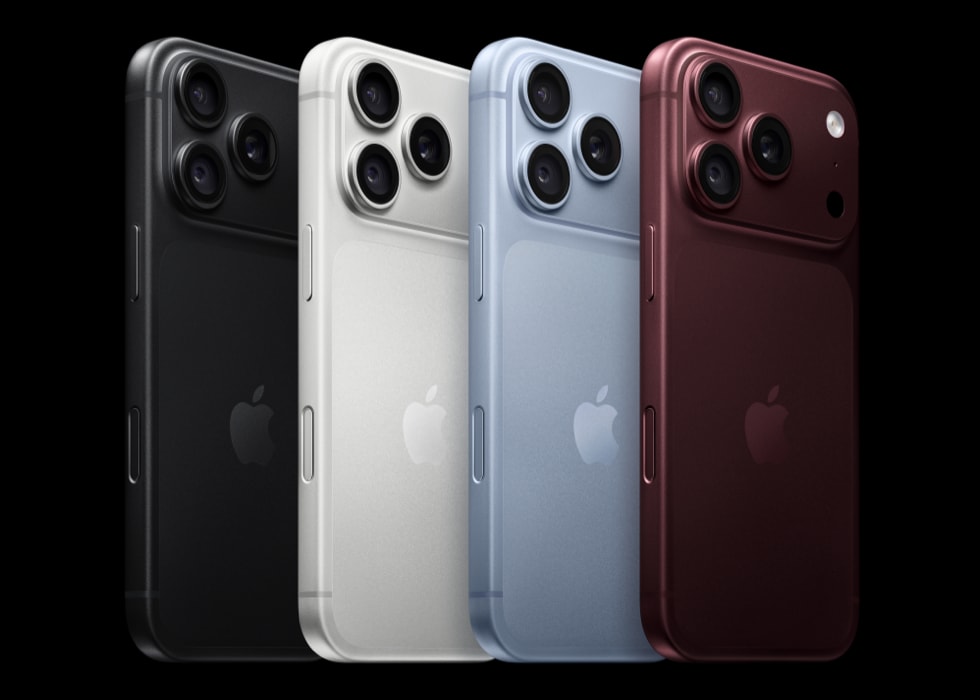
For years, Sony has been the primary supplier of image sensors for Apple’s iPhones, but the technology giant appears increasingly interested in diversifying its supply chain.
In August, Apple announced a manufacturing partnership with Samsung’s Texas operations involving advanced semiconductor production technology.
While neither company disclosed exactly which components would be manufactured, subsequent industry reports have linked the agreement to camera sensors for future iPhone models.
Sony has also acknowledged the possibility of increased competition in the image sensor market.
During its November 5 financial briefing, Sony chief financial officer Lin Tao was questioned about the potential loss of exclusive supply arrangements with a major customer.
Tao declined to discuss specific customers but noted that manufacturers commonly source components from multiple suppliers.
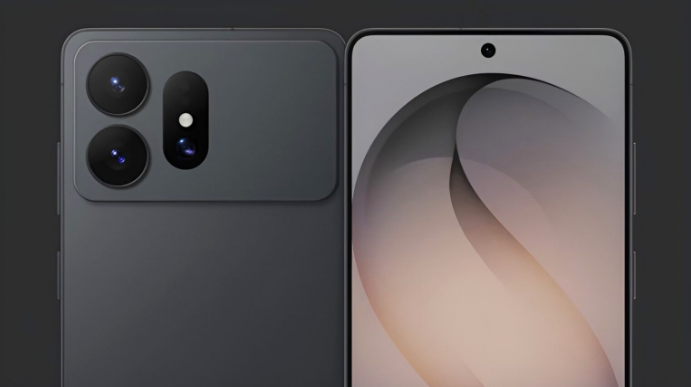
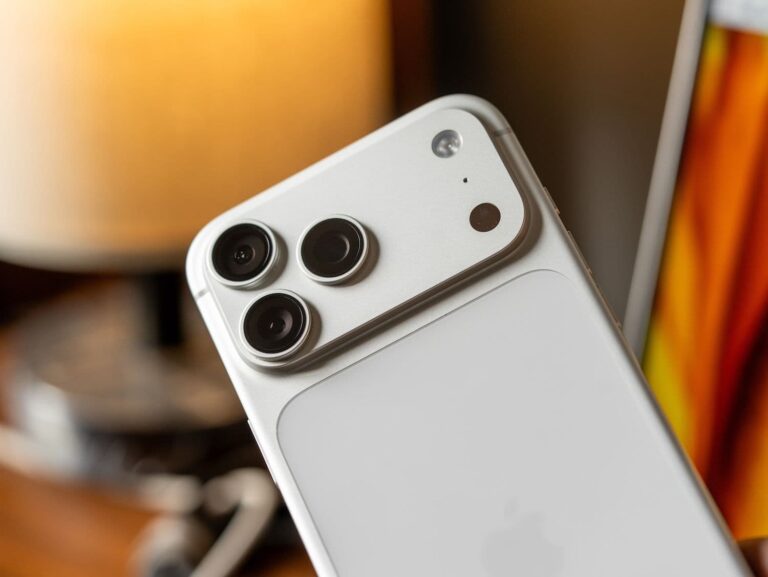
Meanwhile, the standard iPhone 18 is rumoured to feature two 48-megapixel rear cameras, although there is no confirmation that Samsung will manufacture either sensor.
However, questions remain over whether Samsung’s production schedule is genuinely responsible for Apple’s revised launch strategy.
Reports suggesting Apple would split its annual iPhone launches first surfaced in May 2025, months before Samsung reportedly began prototyping the new camera components.
Previous speculation has also pointed to rising manufacturing costs, supply chain pressures and Apple’s decision to prioritise higher-margin premium devices.
Apple has yet to provide an official explanation for the delayed release of the standard iPhone 18.
Regardless of the reason, Samsung’s potential entry into Apple’s camera sensor supply chain could mark a significant shift in the relationship between two of the world’s biggest smartphone competitors.