Apple Smart Glasses Take Shape As 2027 Launch Plans Gather Pace
 Dominic Bayley
16 Nov 2026
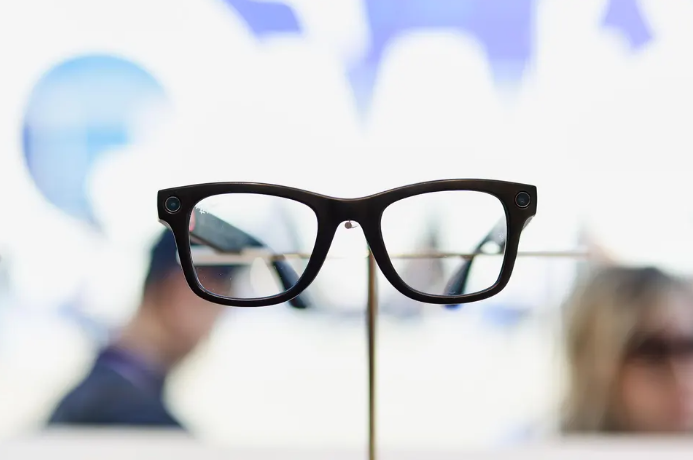
Apple is stepping up development of its first smart glasses, with new details emerging about the design, artificial intelligence capabilities and plans to challenge Meta in the growing wearable technology market.
According to Bloomberg’s Mark Gurman, Apple is aiming to unveil the glasses at its Worldwide Developers Conference in June 2027, with sales expected to begin before the end of the year.
The device, internally known as N50, will combine cameras, audio technology and an upgraded Siri assistant, allowing users to interact with their surroundings through voice commands.
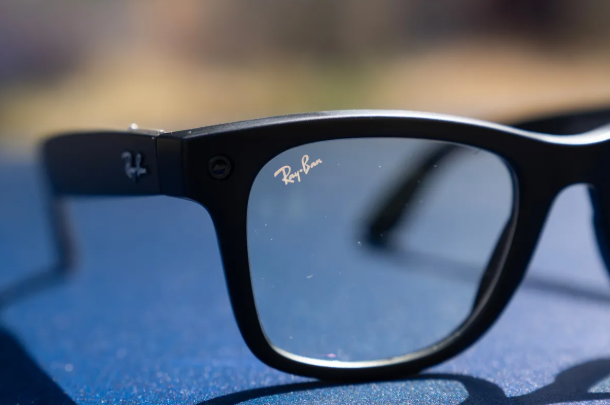
Current prototypes are reportedly slightly thinner than Meta’s second-generation Ray-Ban smart glasses, with Apple testing several frame designs, colours and materials.
Some versions feature cameras built directly into the frames, eliminating the bulky camera housings found on competing devices.
A small indicator light will alert people when the glasses are operating or charging, while additional privacy features are also being considered.
Apple is placing considerable emphasis on audio performance, with employees reportedly describing the sound quality as industry-leading.
The glasses will support music playback, phone calls and FaceTime audio, alongside notifications, messaging and other everyday smartphone functions.
However, unlike Apple’s Vision Pro headset, the first-generation smart glasses will not feature an augmented reality display.
Instead, users will rely on Siri and the built-in cameras to access information about their surroundings.
The glasses could identify buildings, translate signs and conversations, provide navigation instructions and even recommend meals based on ingredients detected inside a refrigerator.
Apple is also planning extensive integration with its existing iPhone app ecosystem.
Users could potentially book restaurants, order coffee, request rides, shop online and purchase cinema tickets simply by speaking to Siri.
Rather than requiring developers to create dedicated smart glasses applications, Apple intends to use existing iPhone apps to process requests and perform tasks.
The approach would allow the glasses to operate with relatively modest processing power, with much of the computing handled by a paired iPhone.
A recent iPhone will reportedly be required, and there are no plans to support Android smartphones.
Some functions may operate independently over Wi-Fi, although the glasses are not expected to replace a smartphone.
Apple is also experimenting with a charging system that allows users to recharge the glasses while wearing them.
The prototype arrangement uses a tiny three-pin magnetic connector near the end of the left temple arm, although its inclusion in the final design remains uncertain.
Internally, the glasses reportedly run a streamlined version of visionOS 28, powered by a processor based on older Apple Watch technology.
Dedicated chips handle wireless connectivity and camera image processing.
Apple has already started preparing the software required to support the device, introducing enhanced Siri app controls in the first iOS 27.3 beta.
The company plans to expand these capabilities across its own applications in December before opening them to third-party developers during 2027.
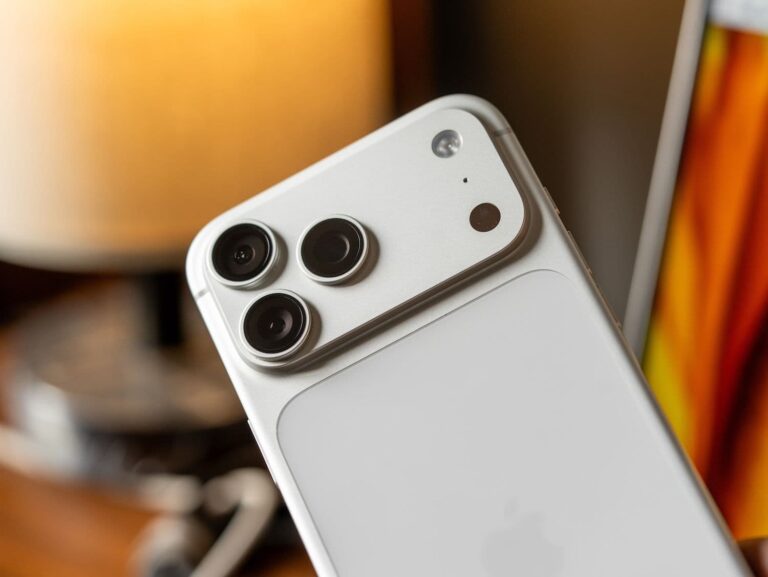
Apple is also developing camera-equipped AirPods for release late next year, although the glasses are expected to provide longer battery life and accommodate more sensors.
While much of the hardware design is reportedly settled, software development and AI performance remain potential obstacles.
Gurman suggests delays involving Siri and other AI systems could still affect Apple’s proposed launch timetable.
If released as planned, the glasses would give Apple a new product category to compete directly with Meta, which has already established a significant presence in the smart glasses market through its Ray-Ban partnership.