New Authority COFOSS Issue Blunt Warning To Government & Appliance Industy
 David Richards
14 May 2026
David Richards
14 May 2026
Australia’s biggest appliance and consumer electronics brands have issued a blunt warning to governments: fragmented state regulations and political inaction are driving up costs for consumers while crippling national sustainability reform efforts.
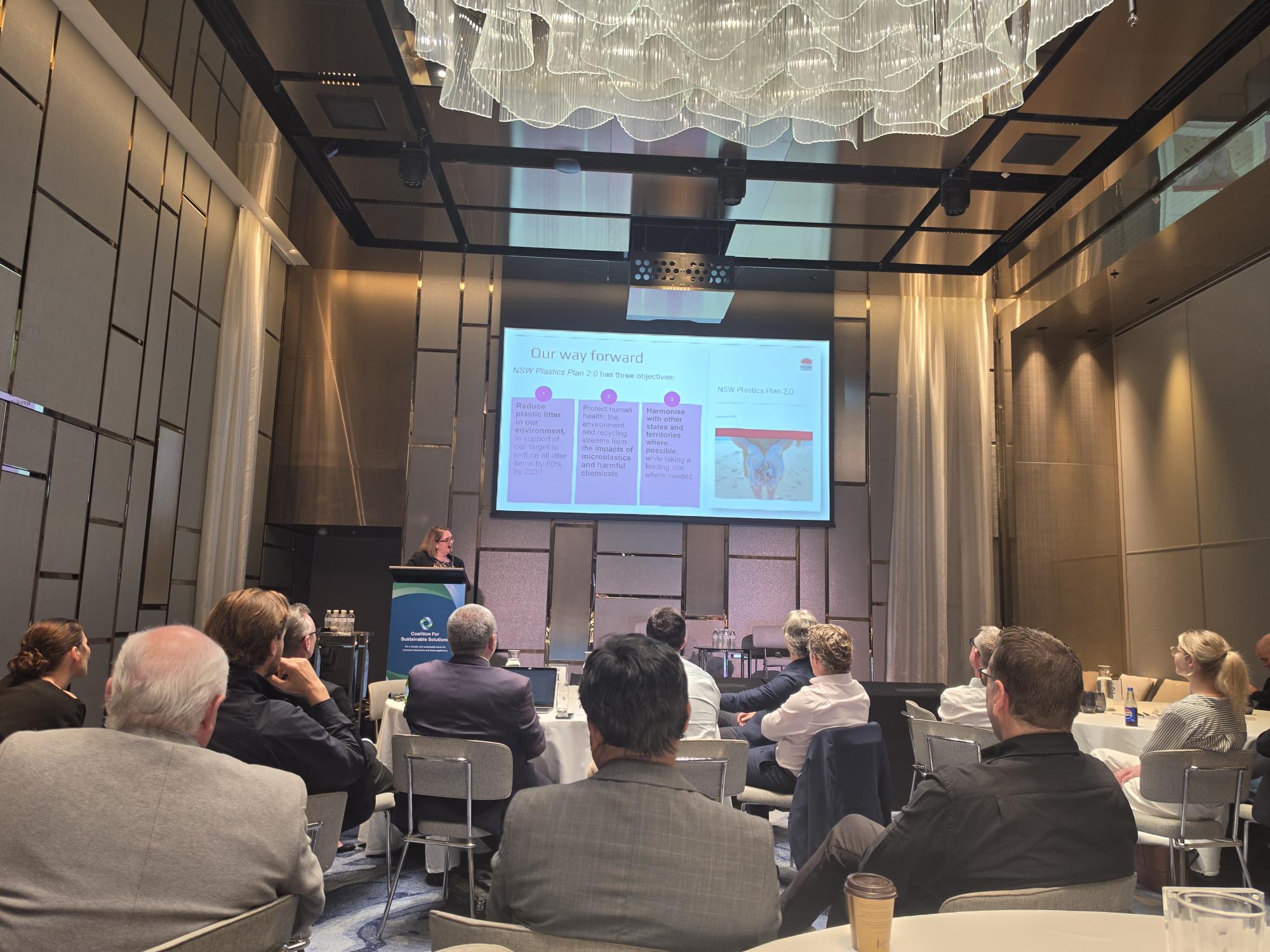
At a high-level sustainability summit in Sydney today, executives from major appliance manufacturers, retailers and regulators gathered under the newly formed Coalition for Sustainable Solutions (COFOSS), an industry body created to tackle mounting environmental, recycling and packaging pressures threatening Australia’s appliance and consumer electronics sectors, the only Government in attendance was the NSW Enviromental Protection Agency who COFOS directors have welcomed with a call for other State and Federal Government Departments to fol,low the NSW Government lead.
But behind the corporate sustainability language, frustration boiled over as industry leaders accused Australian other state and Federal governments of as one attendee described “dragging the chain” on national regulation — creating what they claim is an expensive compliance nightmare for manufacturers and ultimately consumers.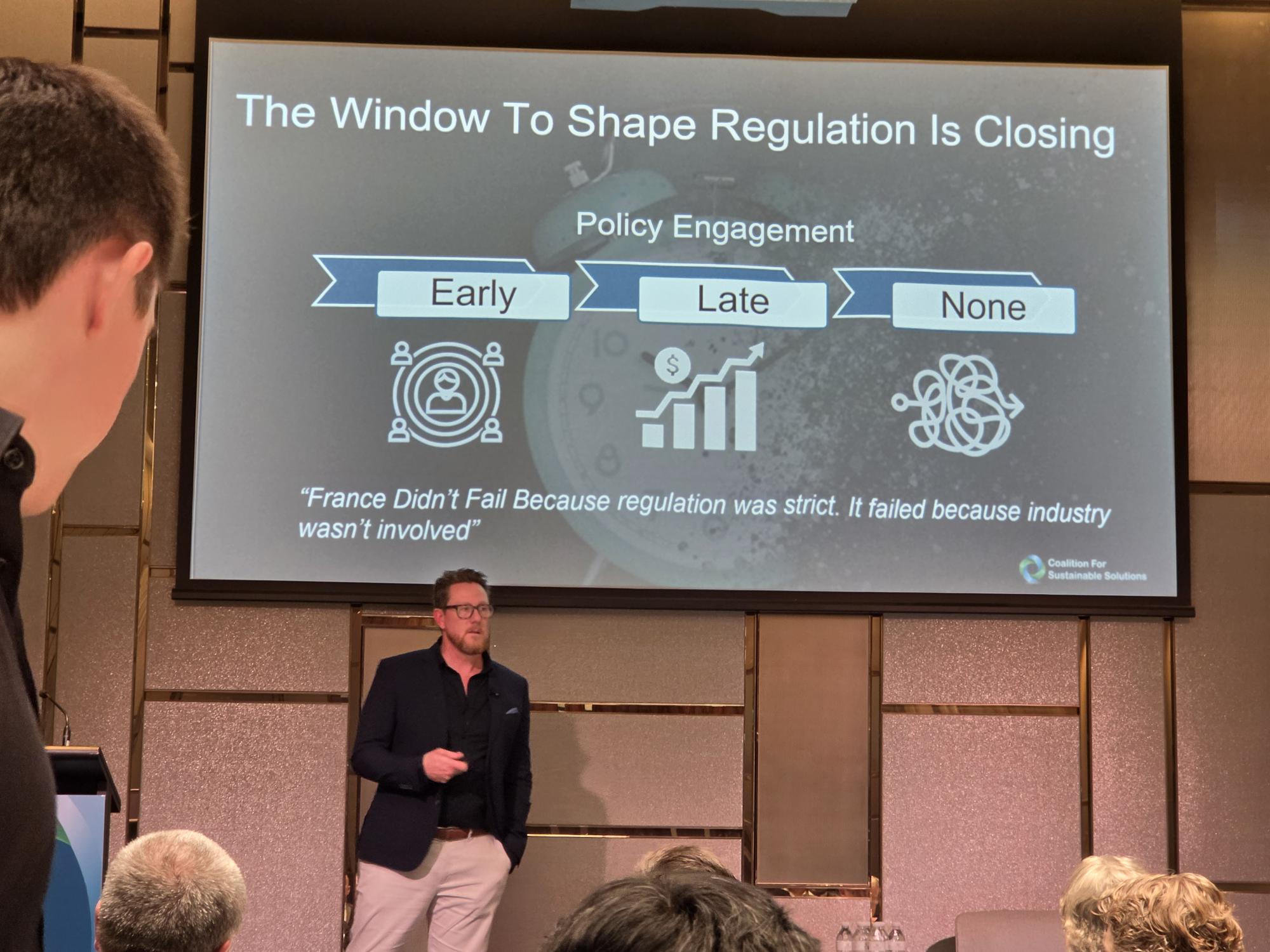
Executives said companies are increasingly being forced to manufacture and package products differently for individual states because of inconsistent environmental regulations across Australia. The result, they warned, is rising operational costs, higher retail prices and growing uncertainty for global brands operating in the Australian market.
The sharpest comments came during a presentation by NSW EPA executive Phoebe Ash, who outlined sweeping new packaging regulations targeting expanded polystyrene foam — commonly used to protect appliances during transport.
The proposed crackdown includes the phase-out of loose-fill foam, void fill and moulded polystyrene packaging products.
While the NSW Government insists it has begun consultations with other states, Ash acknowledged the real barriers to national reform are political.
“Elections and politicians,” she said when pressed on why states continue to operate independently rather than adopting a unified national framework.
One attendee pointed to deep “cultural and ideological issues” between state and federal governments that are slowing attempts to create consistent sustainability policy nationwide.
The comments exposed growing tensions between regulators and an industry already facing escalating environmental obligations, mandatory packaging reforms and rising recycling costs.
COFOSS — backed by major appliance brands, electronics manufacturers and retailers — says the sector can no longer solve sustainability problems company by company because the issues are systemic. Packaging waste, e-waste collection, fragmented recycling infrastructure, repairability standards and inconsistent regulation all require coordinated national action, the group argues.
At the centre of the dispute is expanded polystyrene (EPS), the white foam packaging widely used throughout the appliance industry. Manufacturers say the material remains one of the most effective ways to protect products during shipping, but environmental authorities argue it has become one of Australia’s most difficult waste streams to recycle.
COFOSS has now partnered with the Australian Packaging Covenant Organisation (APCO) in an attempt to redesign appliance packaging, introduce recyclable alternatives and establish industry-wide recovery systems before governments impose harsher regulation.
Industry leaders warned that Australia is already lagging behind Europe in appliance stewardship and recycling regulation, with growing fears that businesses failing to adapt could face higher compliance costs, stranded inventory, import disadvantages and reduced market access.
Electrolux CEO and COFOSS chairman Kurt Hevgold said mandatory packaging reform is rapidly becoming one of the defining challenges facing Australia’s appliance and consumer electronics industry.
The scale of the waste problem outlined at the conference was stark.
According to NSW EPA figures presented at the event, 930,000 tonnes of waste were collected across NSW between 2023 and 2024, with only 15 per cent successfully recycled. Ash warned that without major reform, waste management pressures could contribute to household rate increases of up to 20 per cent.
Industry representatives also highlighted growing concern over Australia’s limited recycling infrastructure, poor material recovery rates and the increasing volume of repairable appliances being dumped in landfill.
Consumer advocates and repair groups argue that many products are being discarded prematurely because Australia lacks effective repair ecosystems and national take-back schemes.
What emerged from the Sydney summit was a clear message: sustainability in the appliance and electronics industry is no longer being treated as an environmental issue alone — it has become a battle over competitiveness, profitability and survival in a market already struggling against larger economies in Asia, Europe and the United States.
COFOSS is now positioning itself as the industry’s primary vehicle for shaping national sustainability policy before governments move to impose stricter and potentially more costly regulation.