Motorola’s Premium Push Raises Questions as $3,296 Foldable Heads for Market
 David Richards
04 Mar 2026
David Richards
04 Mar 2026

Motorola Mobility has finally broken its silence on its long-anticipated push into the premium smartphone market — but key questions remain unanswered as the company prepares to launch its most expensive device yet.
In a belated local press release directing media to announcements made at Mobile World Congress in Barcelona, Motorola confirmed it is set to introduce its first-ever book-style foldable smartphone, the motorola razr fold, alongside a new motorola edge 70 fusion.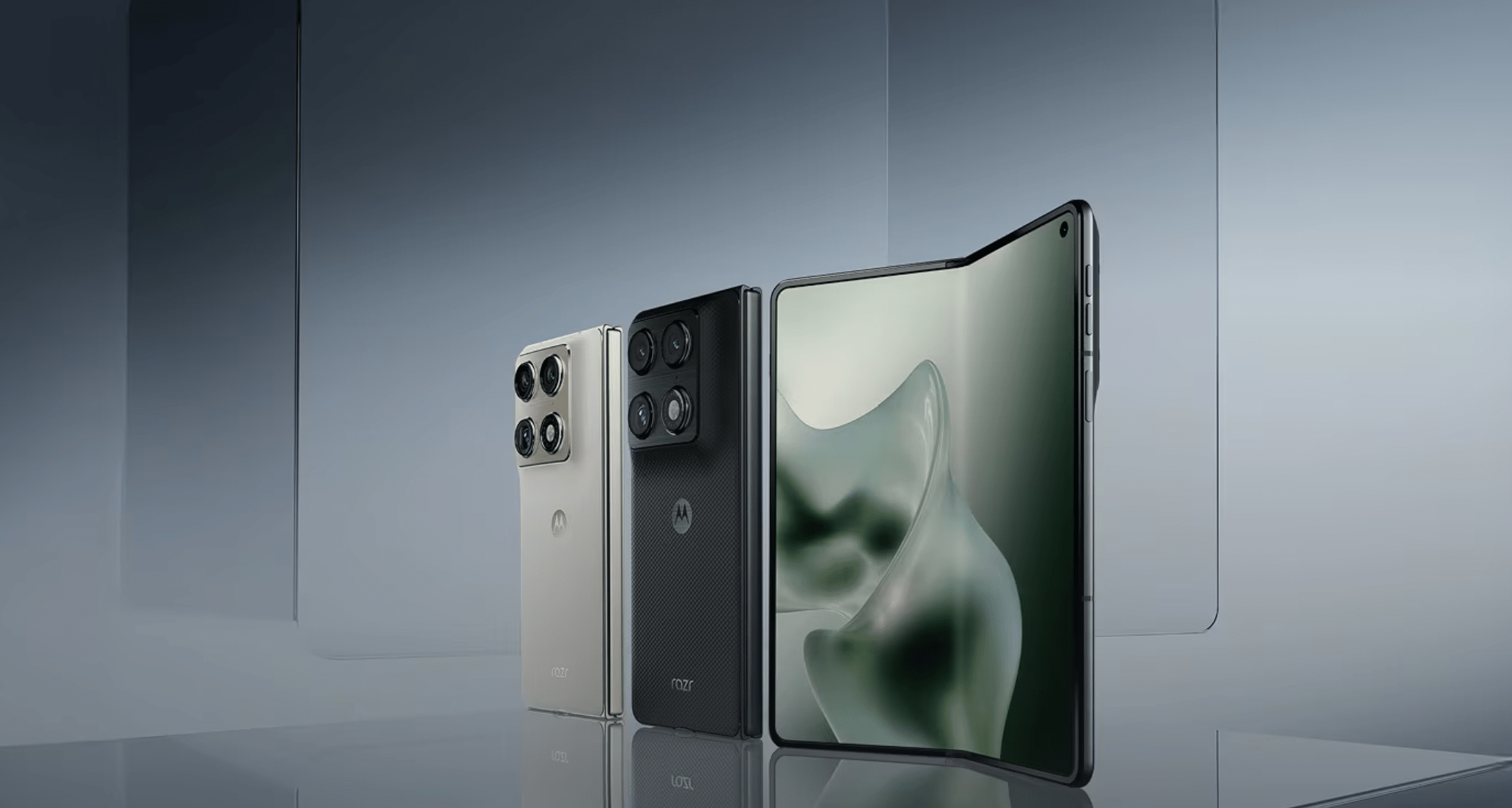
The move marks an aggressive step upmarket for the Chinese-owned manufacturer, which has traditionally competed in mid-range segments. But while the company is touting cutting-edge hardware and “moto ai” integration, it has declined to clarify exactly what artificial intelligence platform will power its new devices — a notable omission in a market increasingly driven by AI capability.
A Premium Price Tag
The biggest shock may be the price.
The motorola razr fold has gone on sale in Europe for the equivalent of $3,296 — before GST. That positions the device well above many competing foldables and could prove a significant barrier in price-sensitive markets.
Despite the global unveiling, Motorola has yet to confirm Australian pricing, carrier partnerships, or even a firm local release date. The company says only that “local availability is to be announced soon.”
Notably, no Australian journalists were invited to Mobile World Congress for the announcement. Earlier this year at CES, local media were also denied access to detailed briefings on the new products.
Flagship Specifications, Limited Clarity
On paper, the razr fold reads like a true flagship.
The device is powered by Qualcomm’s Snapdragon 8 Gen 5 processor, paired with 16GB of LPDDR5X RAM and up to 1TB of storage in select markets. It will be available in Pantone Blackened Blue and Pantone Lily White.
Meanwhile, the motorola edge 70 fusion features a 50MP Sony-powered sensor enhanced by moto ai, along with Pantone-validated colour and video. Optical Image Stabilisation (OIS) is built in to improve low-light and motion photography. A massive 7000mAh battery promises up to 50 hours of usage.
Yet for all the hardware ambition, Motorola has provided few specifics about its AI framework — an unusual gap given competitors’ heavy emphasis on generative AI, on-device processing, and proprietary AI ecosystems.
Ecosystem Expansion — and External Partnerships
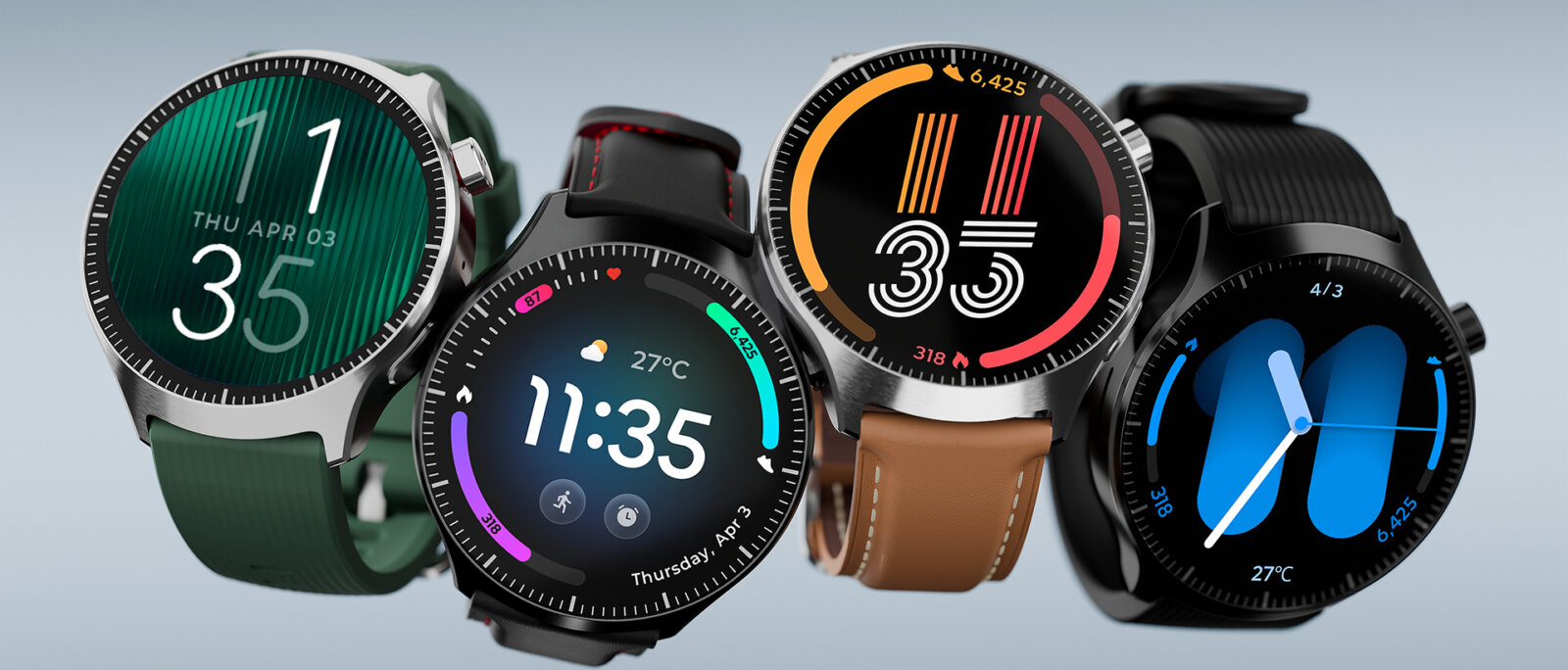
Motorola also confirmed that additional details will soon be released for previously announced devices, including the motorola signature, motorola edge 70, moto pen ultra and moto watch, as part of what it describes as a broader ecosystem expansion strategy.
In a surprising twist, Motorola has partnered with U.S.-based Bose for audio technology in its new earbuds, which feature active noise cancellation. The decision underscores the company’s willingness to lean on established Western brands for key components, even as it positions itself as a premium global contender.
Rollout Plans Still Murky
The razr fold will launch first in Europe, followed by the United States in coming months, with a China variant also expected. A recent report suggests the device could be available online in the second quarter of this year.
What remains unclear is whether any major carrier will support the device locally — a critical factor for a smartphone commanding a near-$3,300 price tag.
Motorola is attempting to reassert itself at the very top of the smartphone market. But with limited transparency, unanswered AI questions, and one of the highest price points in the foldable category, the company faces an uphill battle convincing consumers — and carriers — that its premium ambitions are justified.