Microsoft’s Graveyard Just Got A New Body
 David Richards
16 Apr 2026
David Richards
16 Apr 2026

Microsoft has quietly pulled the plug on its Surface Hub, drawing a line under a decade-long effort to bring oversized digital whiteboards into modern offices—and adding another entry to the company’s lengthy catalogue of ambitious products that didn’t quite stick, and has now joied a multitude of products in the Microsoft graveyard.
First unveiled in 2015 alongside Windows 10, the Surface Hub was pitched as the future of workplace collaboration: a giant touchscreen display—available in 50-inch and 85-inch versions—with a full PC built in. It was designed to rival offerings from established commercial display makers such as BenQ and Samsung, and to anchor meeting rooms in a more connected, Microsoft-centric ecosystem.
But despite periodic updates, including a modular design that allowed internal components like processors to be swapped out, the Surface Hub never gained widespread traction. Its premium price and the rapid shift toward remote and hybrid work during the pandemic limited its appeal, leaving many offices to collaborate via laptops and video calls rather than gather around a very expensive screen.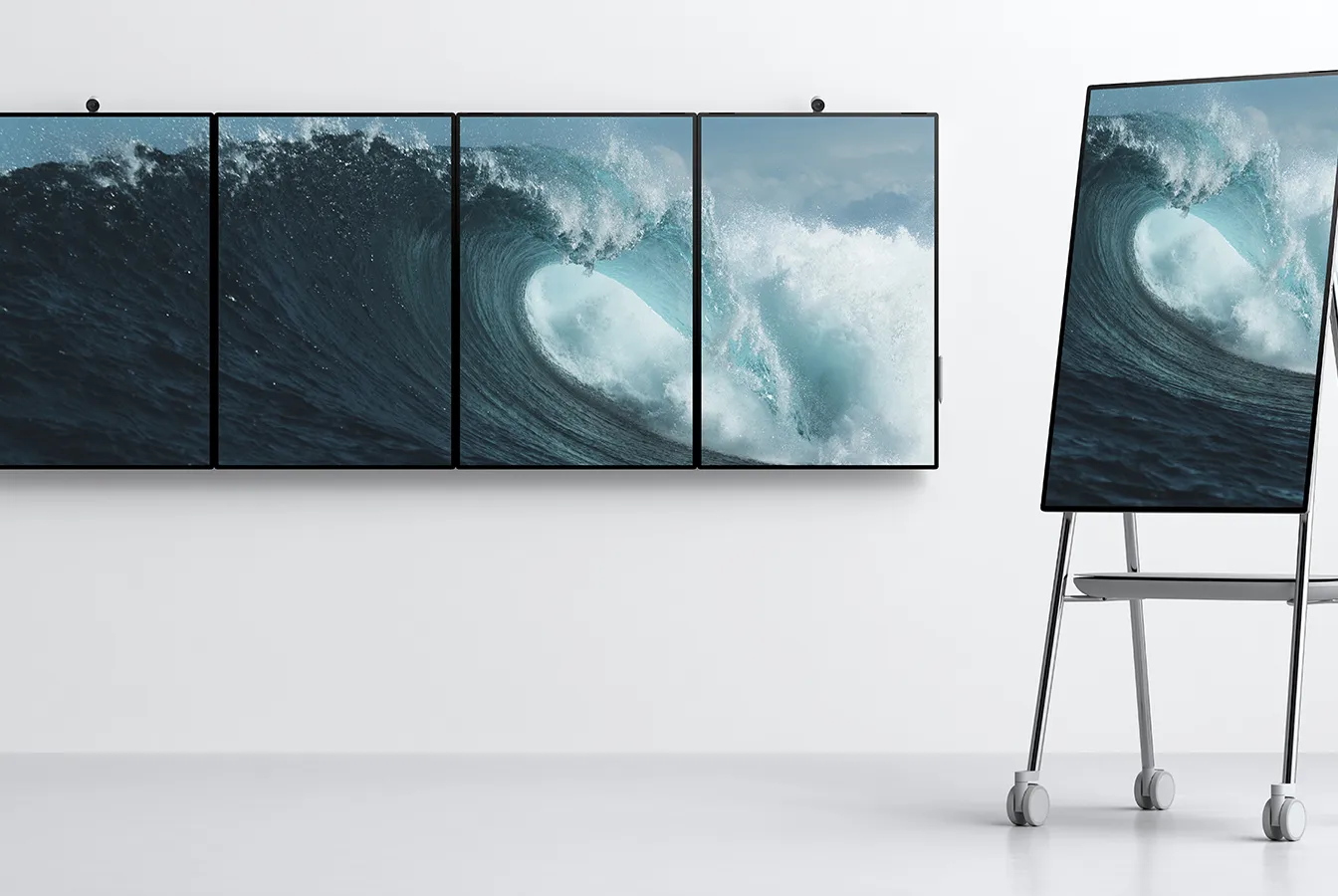
The decision to retire the Surface Hub continues a familiar pattern for Microsoft, whose hardware ambitions have often arrived late to crowded markets—or left just as quickly as they appeared.
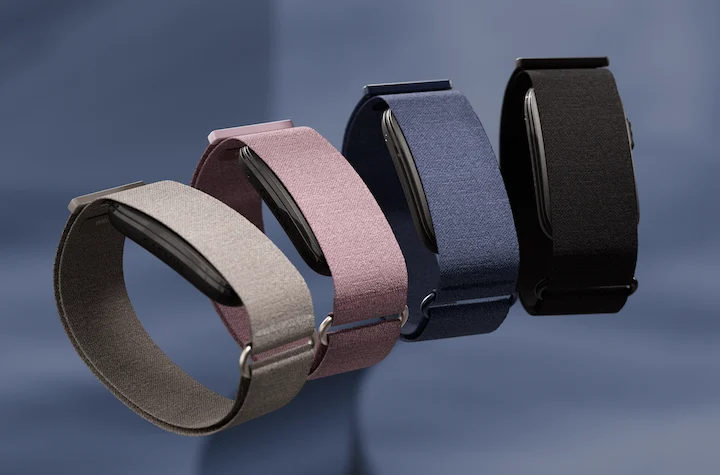
Among the more notable casualties: the Zune media player, which attempted to challenge Apple’s iPod; the Windows Phone and Kin handsets, both of which struggled to compete in the smartphone era; and the Microsoft Band, a fitness wearable that entered a market already dominated by Fitbit and Apple before being discontinued when Microsoft exited the category altogether.
More recently, the dual-screen Surface Duo quietly disappeared in 2023, while earlier efforts such as Groove Music (a would-be Spotify rival) and Mixer (a Twitch competitor) were also shut down after failing to gain momentum.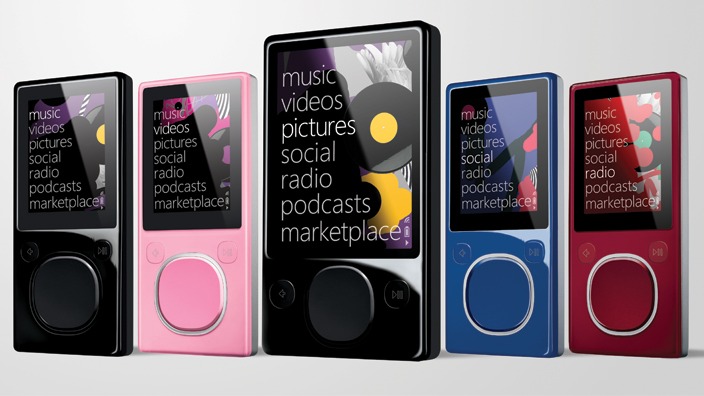
Even Microsoft’s messaging platforms have undergone repeated reinvention. The widely used MSN/Windows Live Messenger was shuttered in 2013 in favour of Skype—an acquisition that cost the company billions—only for Skype itself to be gradually overshadowed by Microsoft Teams.
Hardware, in particular, has proven a persistent challenge. While the Xbox line continues to compete in the gaming market, it has faced stiff competition, and several Surface-branded devices—including the Surface Studio, Surface headphones and Surface Duo—have come and gone. The Surface range itself has outlasted former chief Panos Panay, who departed for Amazon in 2023.
Some products, like the Kinect motion sensor, began with strong momentum. Launched in 2010 for the Xbox 360, Kinect initially sold millions with its controller-free gaming concept. But enthusiasm waned as users drifted back to traditional controllers and developers failed to build a robust ecosystem around it. It didn’t vanish overnight—just slowly slipped off stage, perhaps waving awkwardly as it went.
And then there was Clippy, the animated paperclip assistant that became less a productivity tool and more a cultural punchline—proof that sometimes even software can overstay its welcome.
With the Surface Hub now joining this growing list, Microsoft’s vision of the “office of the future” appears to have shifted once again—this time away from wall-sized touchscreens and toward the far less glamorous, but far more popular, grid of faces on a Teams call.
Can we get a sense of humour into the story highlighting Microsofts constant product failures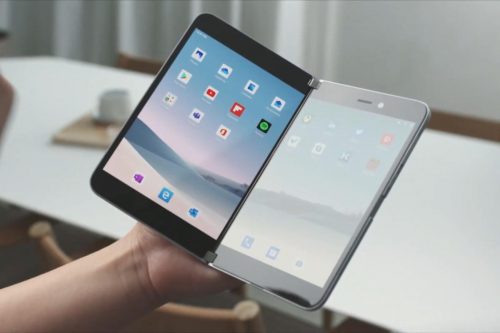
Microsoft has quietly discontinued its Surface Hub, the company’s oversized digital whiteboard, marking the end of a 10-year experiment—and adding yet another headstone to what is becoming one of the tech industry’s more crowded product graveyards.
Originally launched in 2015 with the optimism of Windows 10, the Surface Hub was meant to revolutionise meetings. Available in 50-inch and 85-inch versions, it combined a giant touchscreen with a built-in PC—essentially a very expensive way to avoid asking, “Can everyone see my screen?”
Despite updates over the years, including a modular design that allowed internal upgrades, the Surface Hub never quite became the centrepiece of the modern office. Instead, the pandemic fast-tracked a different vision of work—one where meetings happen on laptops, people forget to unmute themselves, and no one needs to stand in front of an 85-inch display pretending to brainstorm.
Its demise continues a long-standing Microsoft tradition: bold hardware launches followed by dignified, and sometimes very quiet, exits.
The company has, over the decades, developed a knack for arriving just late enough to a market to admire someone else’s success. The Zune, for example, was Microsoft’s answer to the iPod—released at a time when the iPod had already won. Windows Phone attempted to challenge Apple and Android, while the Kin phone briefly existed before most people realised it had.
Microsoft Band, a fitness wearable, entered the market with confidence and exited with considerably less of it. Groove Music tried to take on Spotify and iTunes, only to discover that users preferred… Spotify and iTunes. Mixer, Microsoft’s answer to Twitch, was shut down in 2020 after learning that streaming audiences had already picked a favourite—and it wasn’t the one with the Windows logo.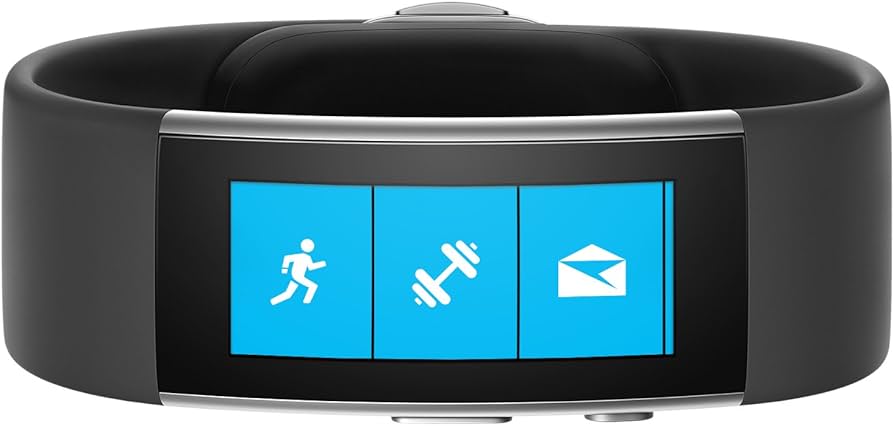
Even Microsoft’s messaging strategy has had a habit of eating itself. MSN Messenger, once one of the world’s most popular chat platforms, was retired in favour of Skype, a service Microsoft paid heavily for. Skype, in turn, is now slowly being folded into Teams, suggesting that in Redmond, even successful products should probably keep an overnight bag packed.
Hardware has been an especially tricky category. The Surface Duo—Microsoft’s dual-screen Android device—disappeared in 2023. The Surface Studio, Surface headphones and other devices have also come and gone, while the broader Surface range continues on, perhaps nervously checking over its shoulder.
Even the Kinect, once a breakout success for Xbox, couldn’t escape the pattern. Launched in 2010 with the futuristic promise of controller-free gaming, it sold millions before many users collectively decided that waving their arms at the television was, in fact, a form of exercise they hadn’t signed up for. Developers followed suit, and Kinect slowly drifted off into retirement.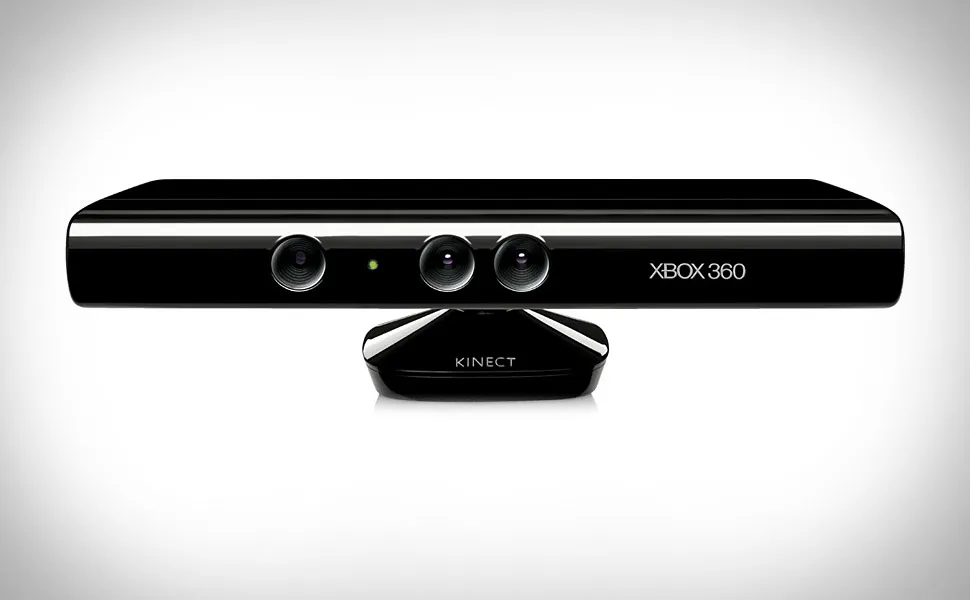
And then there was Clippy—the animated paperclip that asked if you needed help writing a letter, and then stayed long enough to ensure you never wanted help again.
Against this backdrop, the Surface Hub’s quiet exit feels less like a surprise and more like a scheduled departure. While Microsoft continues to thrive in cloud computing, enterprise software and AI, its hardware ventures often seem to follow a familiar lifecycle: big idea, confident launch, polite applause—and eventually, a low-key farewell.
As for the “office of the future” the Surface Hub once promised, it turns out it looks less like a wall-sized touchscreen and more like a slightly unstable video call, where someone is always frozen mid-sentence and another person is still trying to figure out how to share their screen.