Microsoft Facing Biggest Consumer Threat In Decades As Google Readies Googlebook Assault On OZ Retailers
 David Richards
04 Aug 2026
David Richards
04 Aug 2026
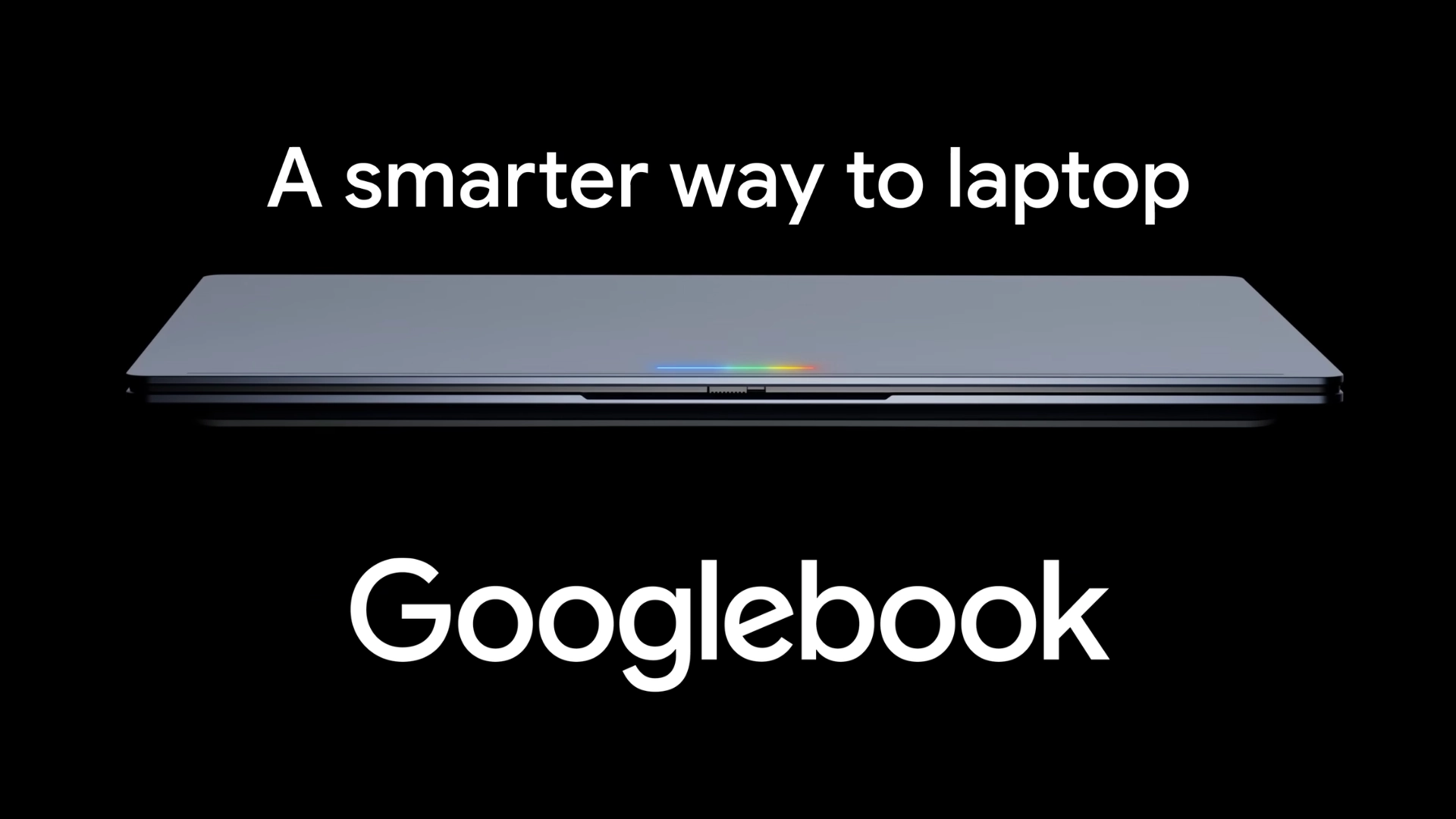
Microsoft is staring down its biggest consumer threat in decades, with Google set to land its all-new Googlebook laptops into Australian retailers including JB Hi-Fi, Harvey Norman and The Good Guys in the fourth quarter, just as millions of Windows 10 users are forced to shop for a new PC.
The timing could not be worse for the Redmond software giant, whose Windows 11 missteps, relentless price rises across Microsoft 365 subscriptions and heavy-handed efforts to force users onto its widely rejected Edge browser have burned two years of consumer goodwill.
Unveiled at Google’s I/O 2026 event in May, Googlebook merges Android and ChromeOS into a single desktop platform, with the Company’s Gemini AI built in as the core operating layer rather than bolted on as an afterthought, which is precisely the criticism levelled at Microsoft’s Copilot, an AI assistant strapped to a 40-year-old operating system.
Acer, ASUS, Dell, HP and Lenovo, every one of them a core Windows OEM, will ship the first wave of devices, with Australian ranging expected in the final quarter running into Christmas.
Premium Play, Not Education Junk
These are not the education-grade Chromebooks that JB Hi-Fi and Harvey Norman have historically ranged at the bottom of the laptop category.
The first Googlebooks are premium machines featuring metal builds, high-resolution screens and Intel, MediaTek and Qualcomm silicon, aimed squarely at consumers who are fed up with paying for expensive Microsoft software while still wanting to run their favourite apps.
For Australian CE retailers the appeal is obvious: a genuinely new platform product landing in the peak Christmas quarter, at exactly the moment huge numbers of consumers holding end-of-life Windows 10 machines hit the market looking for a replacement, with Windows 10’s extended support window closing in October.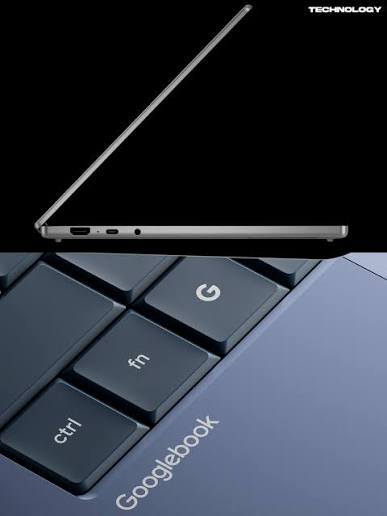
Deliberate Strike At Microsoft’s Weakest Moment
The timing is deliberate and aimed at hurting Microsoft.
Google is catching its rival at its weakest moment with consumers, and Microsoft knows that if Googlebook creates a premium Android laptop category, even a modest one, it hands hardware makers leverage and optionality in a market built entirely around Windows licensing.
The OEMs don’t need to abandon Windows to weaken Microsoft. They only need to make the Windows laptop one credible default among several, and that creates margin pressure on Windows licensing over time.
The bigger risk for Microsoft is attrition in the consumer market. If users get comfortable with mobile-first workflows, the need for a traditional Windows PC fades altogether.
Google has run this playbook before. The Chromebook went from a dismissed toy in 2011 to more than 12% of the US laptop market by 2023.
Gemini Baked In, Not Bolted On
Where Copilot sits on top of Windows, Gemini is the interaction model itself.
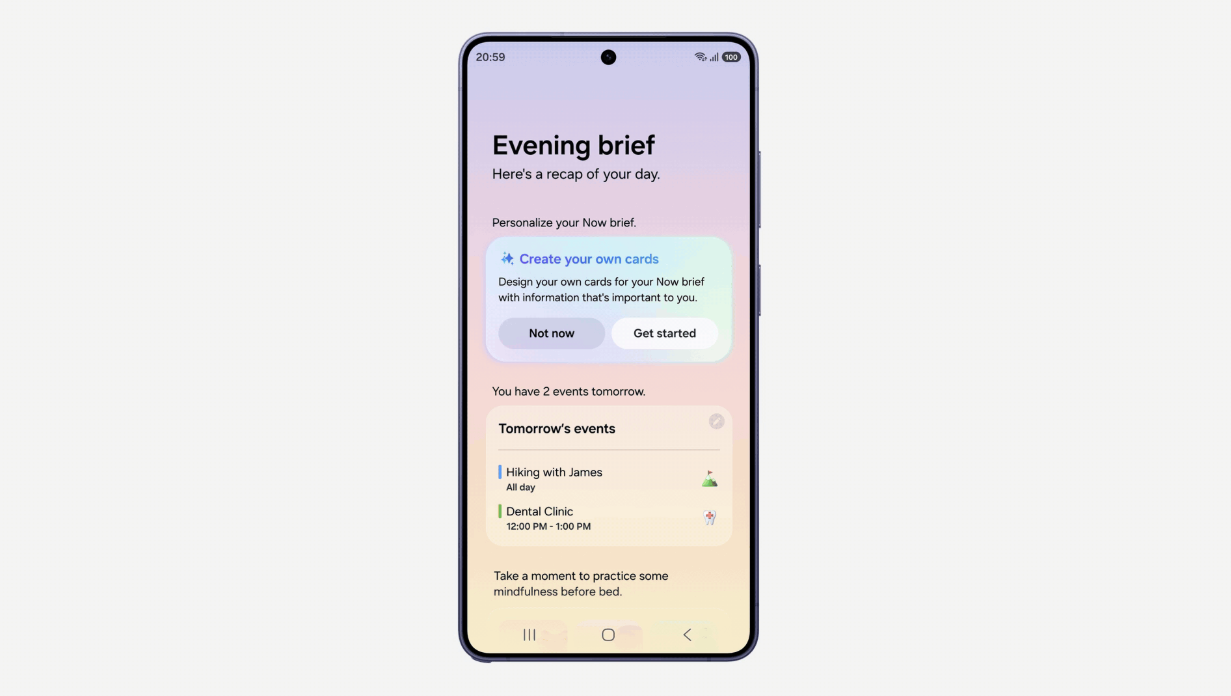
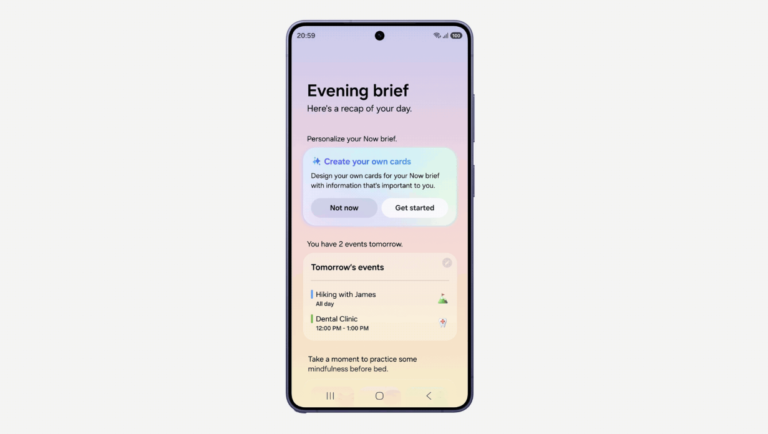
The new Magic Pointer surfaces contextual AI suggestions when users wiggle the cursor, while Create Your Widget lets Gemini generate personalised desktop widgets pulling information from apps such as Gmail and Google Calendar.
Quick Access delivers cross-device flow with Android phones, giving users direct access to files stored on their handset, a continuity play Microsoft simply cannot match.
Google controls the phone side of the equation with 84% of the mobile OS market, plus an entire generation of kids raised on Chromebooks in schools. Microsoft has no phone, and its consumer ecosystem is fragmented across Windows and Xbox.
Google’s John Maletis has hinted more hardware partners are coming, with Samsung tipped as the most likely candidate, a move that would put Googlebook straight into JB Hi-Fi’s premium laptop bays alongside the Korean giant’s premium Android devices, and hand a Company desperate to find a way back into the Australian PC market a serious re-entry vehicle.
Lenovo Googlebook 15 Leaks Reveal Premium Ambitions
A recent report has revealed Lenovo’s upcoming Googlebook 15 is set to be cutting edge, with leaked renders showing a premium design with slim display bezels, a silver finish and a large trackpad.
In a pointed snub to Microsoft, the traditional Windows key has been replaced with a dedicated Google key expected to provide quick access to Gemini.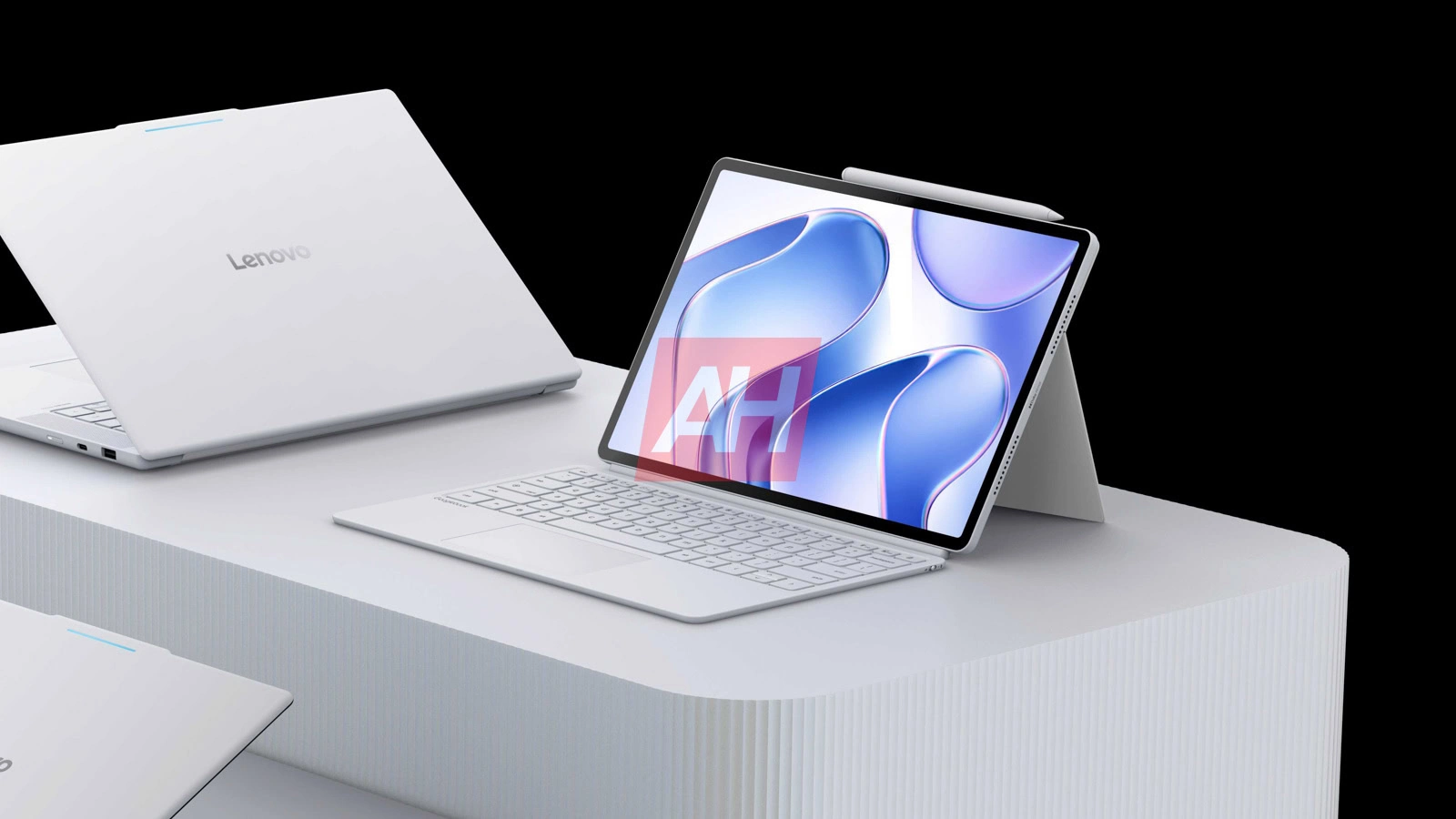
The function row includes dedicated shortcuts for screenshot, microphone mute, accessibility, brightness, keyboard backlight, media controls and what appears to be a profile switch button, while the device skips a numeric keypad in favour of a centred keyboard layout.
Ports are generous, with HDMI, dual USB-C, USB-A, a card reader and a 3.5mm headphone jack, alongside a webcam notch with a physical privacy shutter, Dolby Atmos branding, speaker grilles either side of the keyboard and a display hinge that opens to 157.5 degrees.
Tellingly, the leaked interface shows Adobe Premiere Pro sitting alongside Google’s own apps, a clear signal that Googlebook is targeting far more demanding workflows than traditional Chromebooks ever did.
Lenovo is yet to officially announce the Googlebook 15, with processor, memory, storage, display, battery and pricing details still under wraps.