Meta Soars, Microsoft Slips As Investors Split On Big Tech’s AI Gamble
 Joe Gallop
29 Jan 2026
Joe Gallop
29 Jan 2026
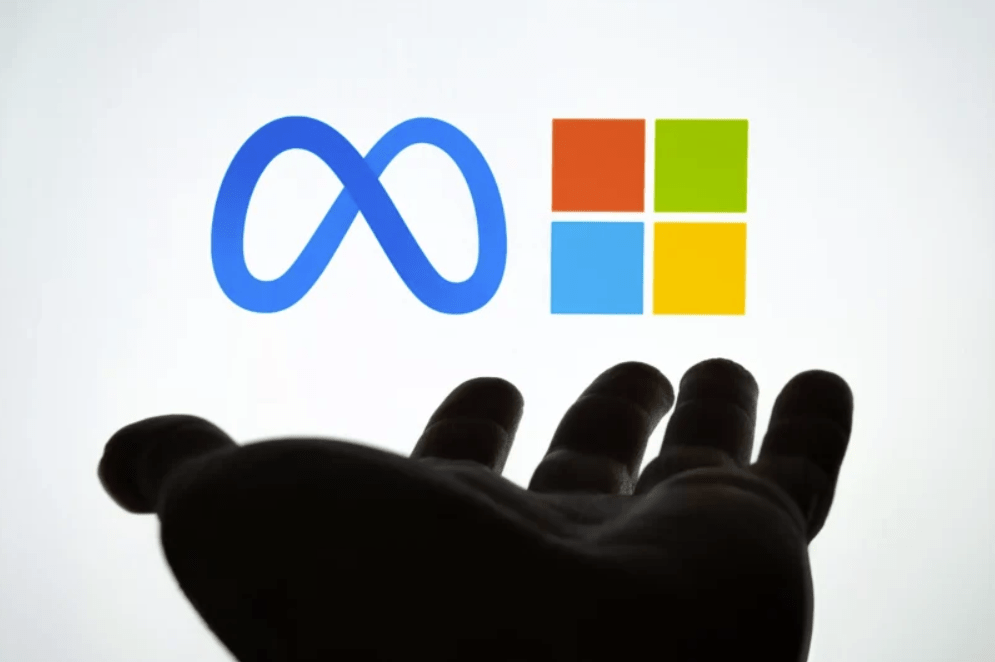
Investors have delivered a split verdict on Big Tech’s AI spending spree, sending Meta shares surging more than 10% while Microsoft slid as much as 7% in after-hours trade, despite both companies posting strong quarterly results.
The contrast underlined a growing anxiety: not whether AI will change everything, but who can prove they will make serious money from it.
Microsoft reported December-quarter revenue of US$81.3 billion, up 17%, with operating income rising 21% to US$38.3 billion. Its cloud and AI engine kept humming, with Azure revenue up 39% and commercial backlog (known as remaining performance obligation) jumping 110% to a massive US$625 billion.
But investors fixated on two things: cloud growth is slowing slightly and capital spending is exploding. Microsoft’s AI-driven capex bill is up 66% year-on-year to US$37.5 billion.

Meta delivered a similar financial story but a very different market reaction. The Facebook, Instagram and WhatsApp owner grew revenue 24% to US$59.9 billion and lifted operating profit 6%. Its advertising machine is clearly benefiting from early AI-driven improvements in ad targeting.
The eye-watering part is what comes next. Meta says it will spend between US$115 billion and US$135 billion on capital expenditure in 2026, almost double last year’s already huge outlay. Yet instead of panicking, investors embraced the move.
Chief executive Mark Zuckerberg said he is looking forward to advancing “personal superintelligence” and a future where AI agents are deeply embedded across Meta’s apps.
While he was light on concrete details about new revenue streams beyond advertising, the market appears convinced that Meta’s core business is strong enough to bankroll the bet.

Together, the results show Big Tech is still in “trust me” territory on AI.
Both companies are printing cash. Both are spending it at unprecedented scale. But for now, the market is rewarding the company that sells the story better – and punishing the one that can’t yet prove the payoff is close.
Meanwhile, Tesla also beat expectations, with its shares rising about 3% after the electric vehicle maker topped forecasts for revenue and earnings and confirmed a roughly US$2 billion investment in Elon Musk’s xAI venture.
The company said it would unveil a new Optimus humanoid robot design in the first quarter of 2026 and reiterated plans to begin production later this year.