Harman Seriously Delivering For Samsung With Record Revenues & Profits
 David Richards
30 Jan 2026
David Richards
30 Jan 2026

Samsung executives are celebrating after the South Korean giant delivered a record Q4 2025 operating profit of A$22.1 billion on revenues of A$103 billion, achieved despite declining global TV and smartphone sales.
One of the standout contributors to that performance was Harman, Samsung’s audio and automotive subsidiary, which continues to punch well above its weight within the broader group. Acquired years ago for what now looks like modest outlay — and recently expanded through the low-cost acquisition of the former Sound United business — Harman is emerging as a reliable, high-margin earnings engine for Samsung.
In Q4 alone, Harman delivered A$5.1 billion in revenue and A$330 million in operating profit, reinforcing Samsung’s position as the world’s largest and most profitable audio company. At a time when consumer electronics demand is softening, Harman’s diversified portfolio and brand strength provided Samsung with a valuable buffer against volatility in its core TV and smartphone businesses.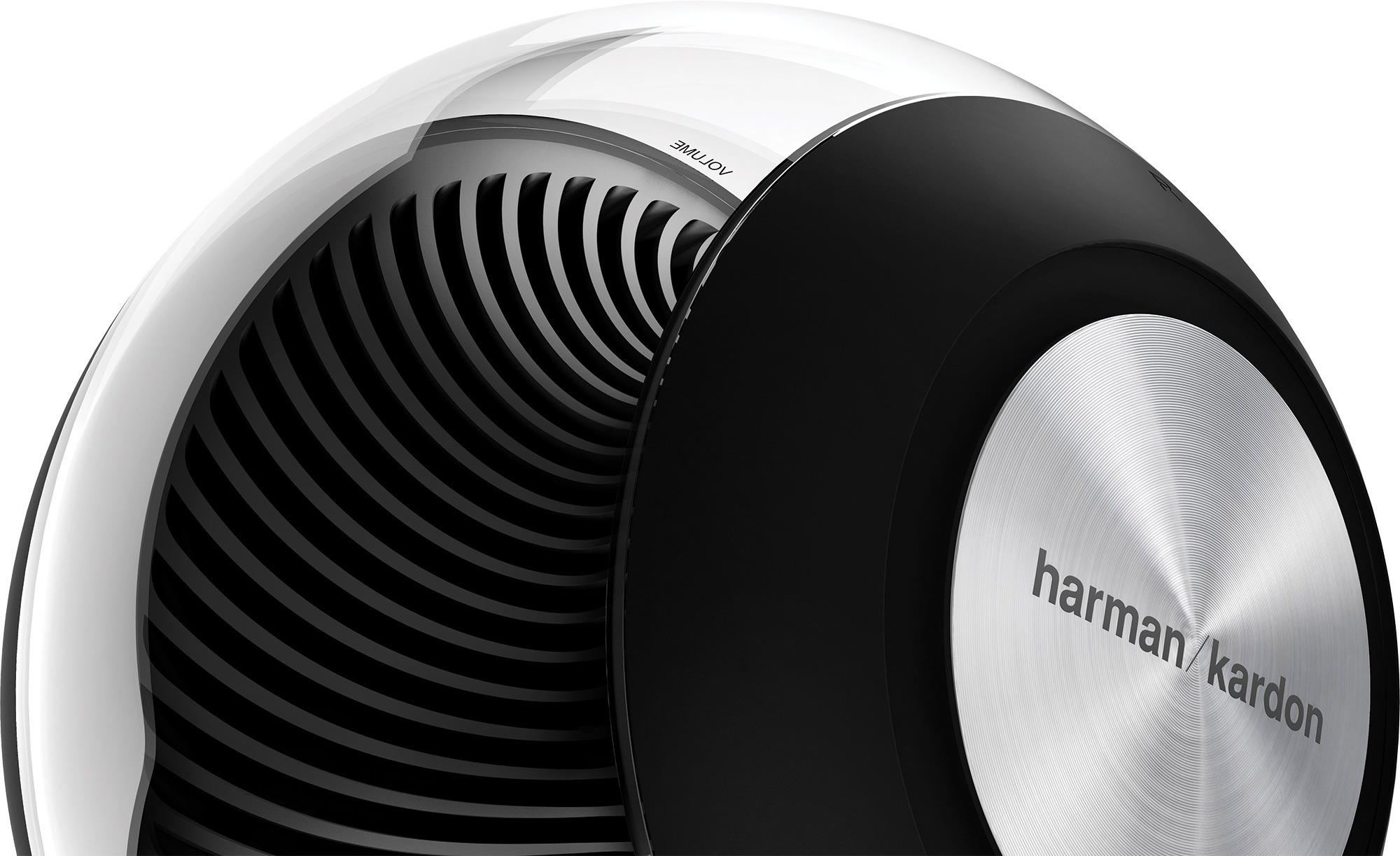
Harman’s consumer and lifestyle audio portfolio now spans JBL, Harman Kardon, AKG, Infinity, HEOS, Mark Levinson, Bowers & Wilkins, Lexicon, Arcam, Revel, Classé, Denon, Marantz, Polk Audio and Definitive Technology — covering everything from mass-market Bluetooth speakers and headphones to premium home theatre and high-end audiophile systems.
In February, Harman is set to launch a new Denon product range that insiders are already describing as “stunning,” underscoring the subsidiary’s ability to continuously refresh premium brands while driving incremental profit growth.
This breadth makes Harman one of the largest and most diverse audio brand owners globally, and increasingly important to Samsung’s long-term earnings mix as the group leans into higher-margin, brand-driven categories.
For the full year 2025, Samsung reported approximately A$366.9 billion in revenue and A$48.0 billion in operating profit, with the Device Solutions (DS) division delivering a 33% quarter-on-quarter sales increase. Growth was driven by the memory business, which posted all-time-high quarterly revenue and profits on strong demand for conventional DRAM and accelerating HBM sales linked to AI workloads.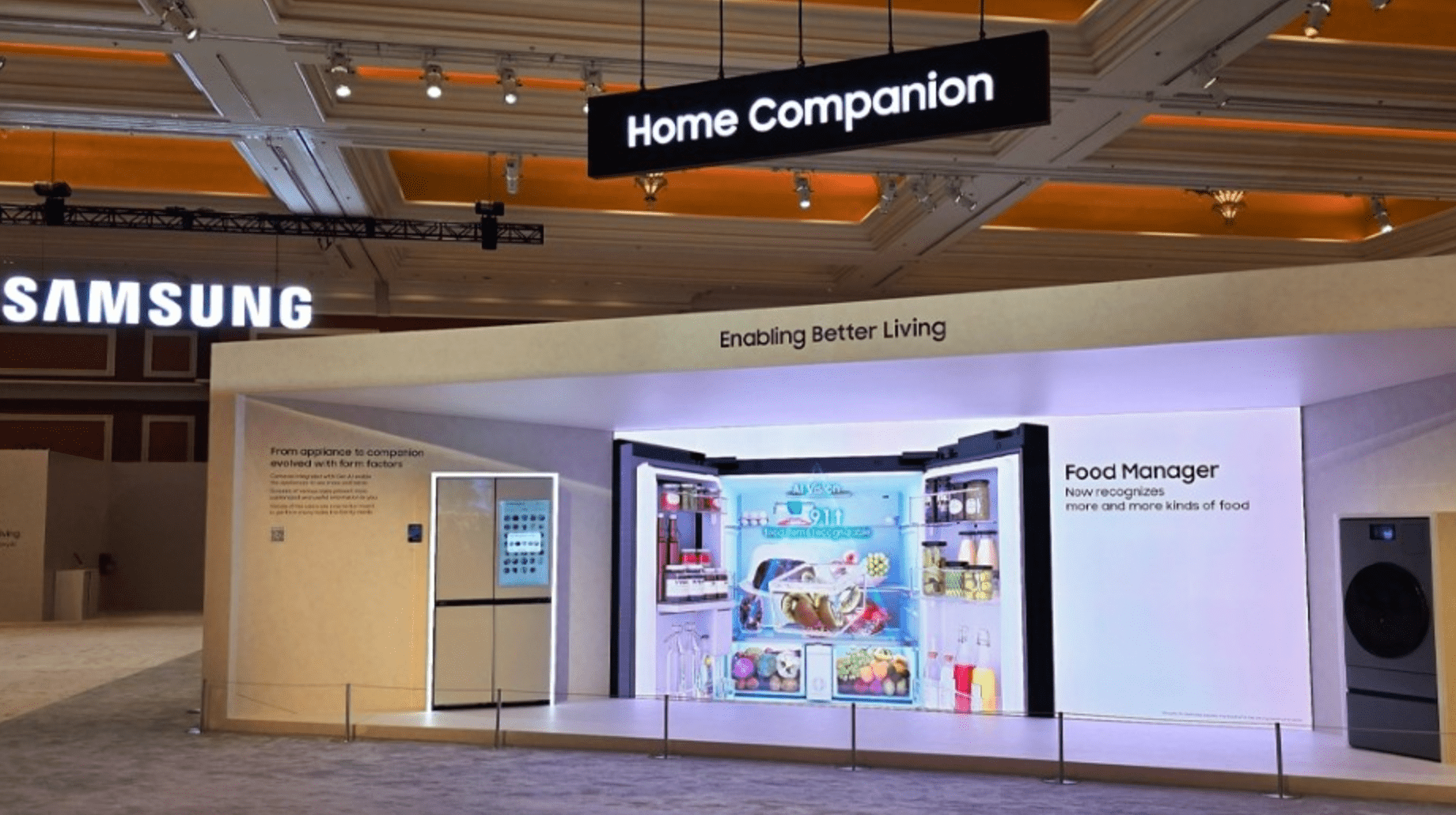
Memory pricing is expected to strengthen further as Samsung prepares to ship HBM4 products, while continuing to scale DDR5, SOCAMM2 and GDDR7, alongside higher NAND storage sales — all critical components for AI servers.
The Mobile Experience (MX) and Networks businesses delivered around A$32.2 billion in Q4 revenue and A$2.1 billion in operating profit, with the MX division achieving double-digit annual profit growth driven by premium smartphones, tablets and wearables — despite an overall decline in unit smartphone sales. The Galaxy S26 series played a key role in sustaining demand at the high end.
Following CES 2026, Samsung has made it clear it is doubling down on AI-driven products and innovative slim, lightweight foldables, with new models expected to launch next month.
Meanwhile, Samsung Display Company (SDC) posted solid results, generating A$10.5 billion in revenue and A$2.2 billion in operating profit, supported by strong demand across smartphone, IT and automotive displays.
The Visual Display (VD) and Digital Appliances (DA) businesses recorded A$16.3 billion in revenue and A$660 million in operating profit, with Neo QLED and OLED TVs performing well. Samsung expects further momentum as consumers upgrade displays ahead of major global sporting events, including the Olympics and the FIFA World Cup.
Against this backdrop, Harman stands out as one of Samsung’s most consistent and profitable growth assets — providing brand power, margin resilience and diversification at a time when traditional consumer electronics markets remain under pressure.