Melbourne Cup Betting Shifts To Who Will Buy David Jones As Financial Crisis Deepens
 David Richards
03 Nov 2026
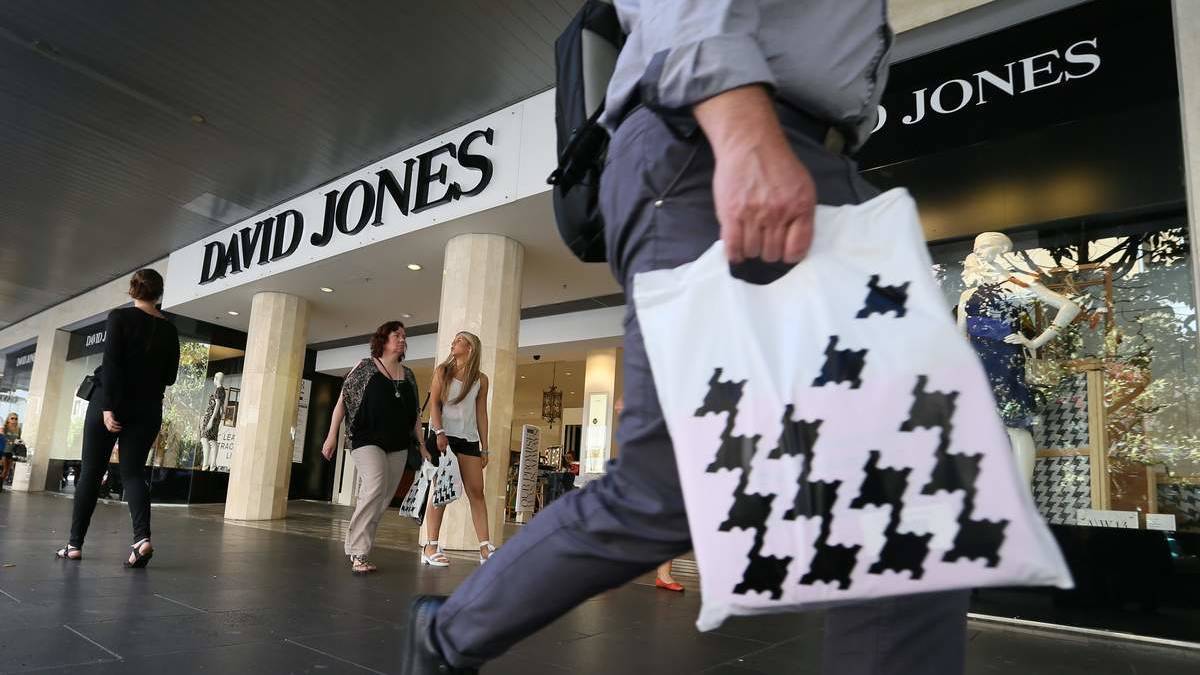
Once a major player in the exclusive Birdcage at the Melbourne Cup, David Jones is now at the centre of a very different betting contest, with speculation mounting over who will buy the troubled department store chain, how many stores will survive and whether the 188-year-old retailer can avoid administration.
While wealthy customers and fashion identities who once flocked to the David Jones marquee continue to attend Australia’s biggest racing event, the retailer that once dressed them and entertained them in style is fighting to secure its financial future.
Potential buyers are reportedly being sounded out, lenders are providing additional funding to support Christmas inventory, and landlords are facing the prospect of more store closures as owner Anchorage Capital Partners examines its options.
ChannelNews understands that British retail billionaire Mike Ashley’s Frasers Group is among the names being discussed as a potential buyer of a significantly downsized David Jones business.
Frasers, which operates Sports Direct, Flannels and House of Fraser, has built a substantial portfolio of retail and fashion investments, including a major shareholding in Hugo Boss.
However, there is no confirmation that Frasers has made a formal offer or entered negotiations with Anchorage.
Another potential combination attracting attention involves Australian billionaire Larry Kestelman, his Brand Collective fashion business and former David Jones chief executive David Thomas.
Such a deal could bring together an established fashion distribution and retail operation with executives familiar with the David Jones business.
Brand Collective, previously owned by private equity group Anchorage, has an extensive portfolio of fashion and footwear brands, potentially giving it an opportunity to expand its premium retail operations.
Other names circulating as possible interested parties include Myer and Authentic Brands Group, although there is no confirmation that formal bids have been lodged.
What is becoming increasingly clear is that a buyer may be more interested in acquiring the David Jones brand and a handful of profitable flagship stores than taking on the retailer’s entire network and its expensive lease obligations.
Lenders Provide Christmas Lifeline
The immediate problem facing David Jones is cash flow, supplier confidence and the ability to secure sufficient inventory ahead of the critical Black Friday and Christmas trading periods.
Hilco Capital has reportedly provided an additional A$10 million in funding to help the retailer purchase Christmas stock.
One industry observer described the funding as little more than “petty cash” given the scale of the retailer’s operations and its financial obligations.
“The brand is broken,” the observer claimed.
The additional funding raises questions about the retailer’s ability to finance inventory, particularly when suppliers are becoming increasingly concerned about payment security and the availability of trade credit insurance.
ChannelNews understands that some appliance and consumer electronics suppliers have already reduced their exposure to David Jones, contributing to a contraction in the retailer’s small appliance, television and audio offerings.
The situation could become particularly damaging during Black Friday, when competitors including JB Hi-Fi, Harvey Norman and The Good Guys are expected to compete aggressively on price and promotional stock.
Industry observers claim David Jones is struggling to secure sufficient discounted inventory to compete effectively.
For a retailer already under pressure, the prospect of entering the biggest trading period of the year with reduced stock availability presents another serious commercial challenge.
Store Closures Put Westfield Landlords Under Pressure
The financial problems are also creating headaches for major shopping centre landlords, particularly Scentre Group, the owner and operator of Westfield centres in Australia and New Zealand.
Five David Jones locations identified for closure or under threat include Parramatta and Hornsby in Sydney, Carousel in Perth, Woden in Canberra and Southland in Melbourne.
All five are located in Westfield centres operated by Scentre Group.
The prospect of losing a major department store tenant creates additional challenges for landlords already dealing with changing consumer shopping habits and the growing importance of specialty retailers.
Sources familiar with the business suggest the current David Jones network of approximately 38 stores could eventually be reduced to as few as 12 to 15 locations.
Such a dramatic reduction would fundamentally change the retailer’s position in the Australian market.
Former David Jones executives who spoke to ChannelNews on condition of anonymity believe a smaller business centred on premium locations and profitable categories is a more realistic acquisition proposition than the existing national operation.
The challenge is determining which stores can generate sustainable profits after accounting for rent, wages, inventory financing and the cost of maintaining a premium department store offering.
Missing Accounts Add To Uncertainty
Adding to the uncertainty are questions surrounding the retailer’s latest financial accounts.
David Jones has reportedly failed to lodge its 2026 financial statements with the Australian Securities and Investments Commission by the October 30 deadline.
Sources claim auditor PwC has yet to sign off on the accounts, although the precise reasons remain unclear.
The delay comes despite management previously reporting an improvement in trading performance.
In April 2026, David Jones reported that sales for the nine months to March had increased 3.6% to approximately A$1.59 billion.
The retailer also indicated a pre-tax profit of approximately A$15.46 million, while EBITDA reportedly increased 325%, although the original earnings base was not disclosed.
Online sales grew 10%, while operating costs were reduced.
Those numbers suggested that management was making progress in restructuring the business.
However, improving operating earnings does not necessarily translate into sufficient cash to fund inventory, meet supplier obligations and support an expensive store network.
The latest funding arrangements and speculation surrounding a potential sale suggest the retailer’s financial challenges extend well beyond conventional profitability measures.
Anchorage Faces Difficult Exit
Anchorage Capital Partners acquired David Jones from South Africa’s Woolworths Holdings in 2023, with the expectation that the iconic Australian department store chain could be repositioned and returned to sustainable profitability.
Now the private equity owner faces the possibility of selling a much smaller business, undertaking further restructuring or negotiating additional financial support.
Anchorage has previously been involved in another high-profile Australian retail failure, having acquired Dick Smith before its subsequent collapse under different ownership.
The history is likely to attract attention as questions grow over the future of David Jones.
Former executives believe any transaction will depend heavily on the willingness of landlords to renegotiate leases and suppliers to continue supporting the business.
A prospective buyer would also need to establish the extent of David Jones’ outstanding supplier obligations and the security arrangements associated with inventory financing.
One former manager warned that reducing the store network while losing premium suppliers could undermine the very business a buyer would be acquiring.
The David Jones name remains one of Australia’s most recognisable retail brands, but its value depends on being able to offer the premium products, fashion labels and shopping experience that once distinguished it from competitors.
Black Friday Could Expose The Real Problems
The immediate test will be Black Friday and Christmas.
While rival retailers are preparing major promotional campaigns, David Jones faces questions about its ability to secure stock, fund inventory and compete on price.
The retailer is also confronting changing consumer behaviour, with shoppers increasingly turning to specialist electronics retailers, online marketplaces and premium fashion boutiques rather than traditional department stores.
For Anchorage, the decision is whether to continue financing the turnaround, sell the business at a potentially substantial loss or pursue a more radical restructuring.
For suppliers, the issue is whether they can continue trading with confidence.
For landlords, it is how many David Jones stores will remain viable.
And for potential buyers, the question is whether the famous David Jones brand is worth more than the liabilities and operational problems that could accompany an acquisition.
As the horses line up for the Melbourne Cup, the betting surrounding David Jones is no longer about fashion, marquees or celebrity appearances.
It is about who will own the retailer, how much of the business will survive and whether one of Australia’s oldest retail institutions can make it to another Christmas without a fundamental change in ownership or structure.