Major Airlines Ban Power Banks As Incident Levels Grow
 David Richards
21 Nov 2025

In a major setback for accessory manufacturers, Qantas, Virgin Australia and Jetstar are set to ban the use of power banks on their aircraft, following a series of alarming in-flight battery fires—some occurring inside overhead lockers.
Industry sources say Qantas has already been contacted by accessory makers worried about the potential loss of business, with some proposing the idea of fireproof bags for storing portable chargers during flights.
The core problem for both airlines and passengers is that power banks contain lithium-ion cells. These batteries can enter thermal runaway if they are damaged, overheated or short-circuited, leading to fire, smoke, or even explosions.
New Restrictions for Passengers
In Australia, travellers will be limited to carrying two power banks each, and any unit over 160 watt-hours (Wh) will be prohibited. Airlines may tighten this threshold further if more incidents occur.
Power banks will also be banned from being charged on board, a move that could particularly frustrate Apple iPhone users who already struggle with battery performance. The devices must remain accessible to the passenger—either in the seat pocket or under the seat. Virgin has gone further, banning them from overhead lockers entirely.
Cheap, Unsafe Brands a Growing Concern
A major issue in Australia is the rise of cheaply made power banks purchased from low-cost online retailers, rather than trusted stores such as JB Hi-Fi, The Good Guys and Harvey Norman, which stock reputable brands like Cygnett and Belkin.
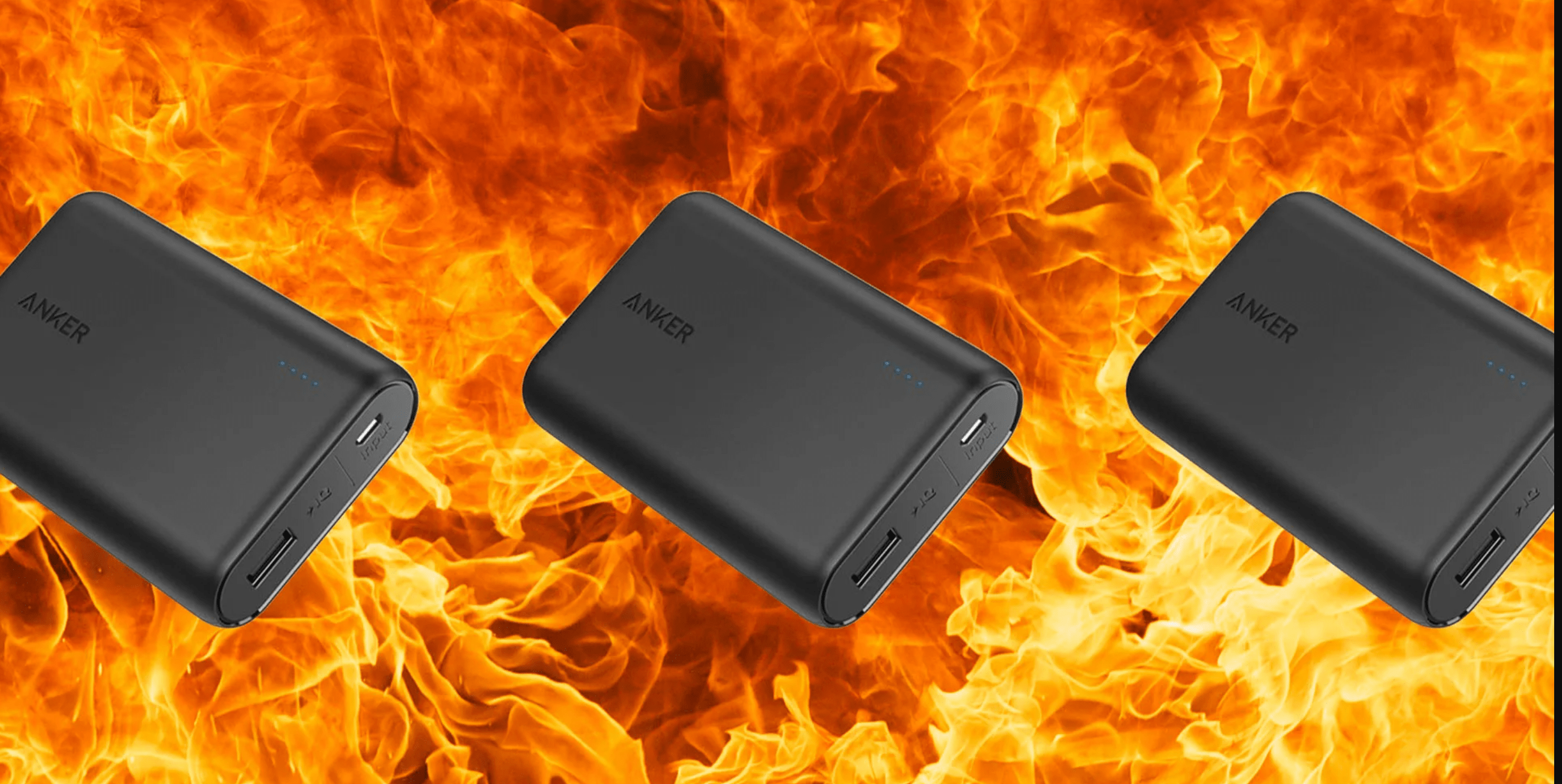
One questionable brand, Anker, distributed locally by Directed Electronics, has drawn scrutiny. In the United States, there have been 19 reported incidents involving Anker power banks catching fire or exploding, leading to injuries and property damage.
Concerns have also been raised about unsafe power banks sold through Amazon’s marketplace. A recent incident at a Qantas business lounge involved a man in his 50s suffering burns to his legs and fingers after a lithium battery ignited in his pocket. The device had been purchased from Amazon.
Why Power Banks Are a Fire Risk
Common hazards include:
Overheating during charging or discharging
Fire or smoke due to cell failure
Explosion caused by internal pressure buildup
Short circuits from contact with metal objects (such as coins or keys)
Inside an aircraft cabin, even a small battery fire can escalate rapidly due to confined space and circulating air.
Why Checked Baggage Is Even More Dangerous
A battery fire in the cargo hold may go unnoticed until it is severe. For this reason, power banks are strictly banned from checked luggage and must be carried in the cabin.
Standard Capacity Rules (ICAO/IATA)
Up to 100 Wh: Allowed in carry-on
100–160 Wh: Allowed with airline approval (max two units)
Over 160 Wh: Prohibited on passenger aircraft
For reference:
100 Wh ≈ 27,000 mAh (at 3.7 V)
 Recent Incidents Prompt Immediate Rule Changes
Qantas, QantasLink, Jetstar and Virgin introduced the new safety measures after several concerning domestic incidents.
In July, passengers on a Virgin flight from Sydney to Hobart were left shaken after a power bank in an overhead locker caught fire. Smoke began filling the cabin just 10 minutes before landing. After the aircraft reached the gate, one airport worker recalled a passenger reporting a “funny smell” before a “small ball of fire” appeared when the locker was opened.
When the New Rules Take Effect
Virgin Australia: December 1
Qantas, QantasLink, Jetstar: December 15
Passengers will begin hearing in-flight announcements regarding the new restrictions starting Friday.