Logitech CEO Opens Up About AI Subscription Models & Price Hikes
 David Richards
04 Dec 2025
Logitech’s global CEO has delivered some welcome news: the company is pausing further price increases and has no immediate plans to rush into artificial intelligence–focused hardware.
In an interview with BusinessWeek, CEO Hanneke Faber reflected on Logitech’s early decision to raise prices after the Trump administration introduced tariffs. “I think we were quick to do it,” she said. “I’m glad we were quick because it had to be done, and it was better to rip off the proverbial Band-Aid than drag our feet, which some others did.”
For now, Faber says there are no plans for additional price hikes. A diversified supply chain—China plus five other countries—has strengthened Logitech’s resilience and helped stabilise costs.

Logitech CEO Hanneke Faber. Image Bloomberg
Faber also dismissed the current race among hardware manufacturers to build AI-centric devices. While Logitech integrates AI features across many of its products, she argues that much of the industry hype around dedicated AI hardware is premature. “What’s out there is a solution looking for a problem that doesn’t exist,” she said.
This week marks two years since Faber took over as CEO of the keyboards and gaming accessories company. At the time, Logitech was battling a steep drop in demand as pandemic-driven purchasing cooled and workers returned to offices. Today, Faber says the outlook is “looking rosier”—good news for key Australian partners including JB Hi-Fi, Harvey Norman and The Good Guys.
One looming question is how Logitech will fare if Officeworks accelerates its push into house-brand products, especially in core categories such as keyboards and mice, potentially crowding out Logitech’s offerings.
Financially, the company has regained its footing. Revenues have grown in six of the last seven quarters. “There’s really not a single one of the 13 categories that we play in that isn’t almost back to its Covid size,” Faber noted.
Despite competitors’ enthusiasm for AI-specific gear, Logitech is deliberately holding back. Instead, it continues refining AI-enabled enhancements within existing products—such as video cameras that auto-frame speakers and the recently launched MX Master 4 mouse, which features shortcuts to ChatGPT or Microsoft Copilot through a side button.
Faber said she has also brought more discipline to Logitech’s product development strategy. The company releases 35 to 40 new products annually and maintains a three-year product roadmap. “We’re continuing to spend about 6% of sales on R&D, which is very high in our industry,” she said.
China remains a major regional focus for the Swiss-American company. It is Logitech’s second-largest market after the U.S., and Faber describes the two regions as the “glue” that holds the company together. “If you can’t compete in China in our business, you’re doomed,” she said.
Two years ago, Logitech was rapidly losing market share in China. In response, Faber established an on-the-ground team to design products tailored to local tastes. Since then, the region has been growing more than 20% for three consecutive quarters, and the market-share decline has “definitely stopped.”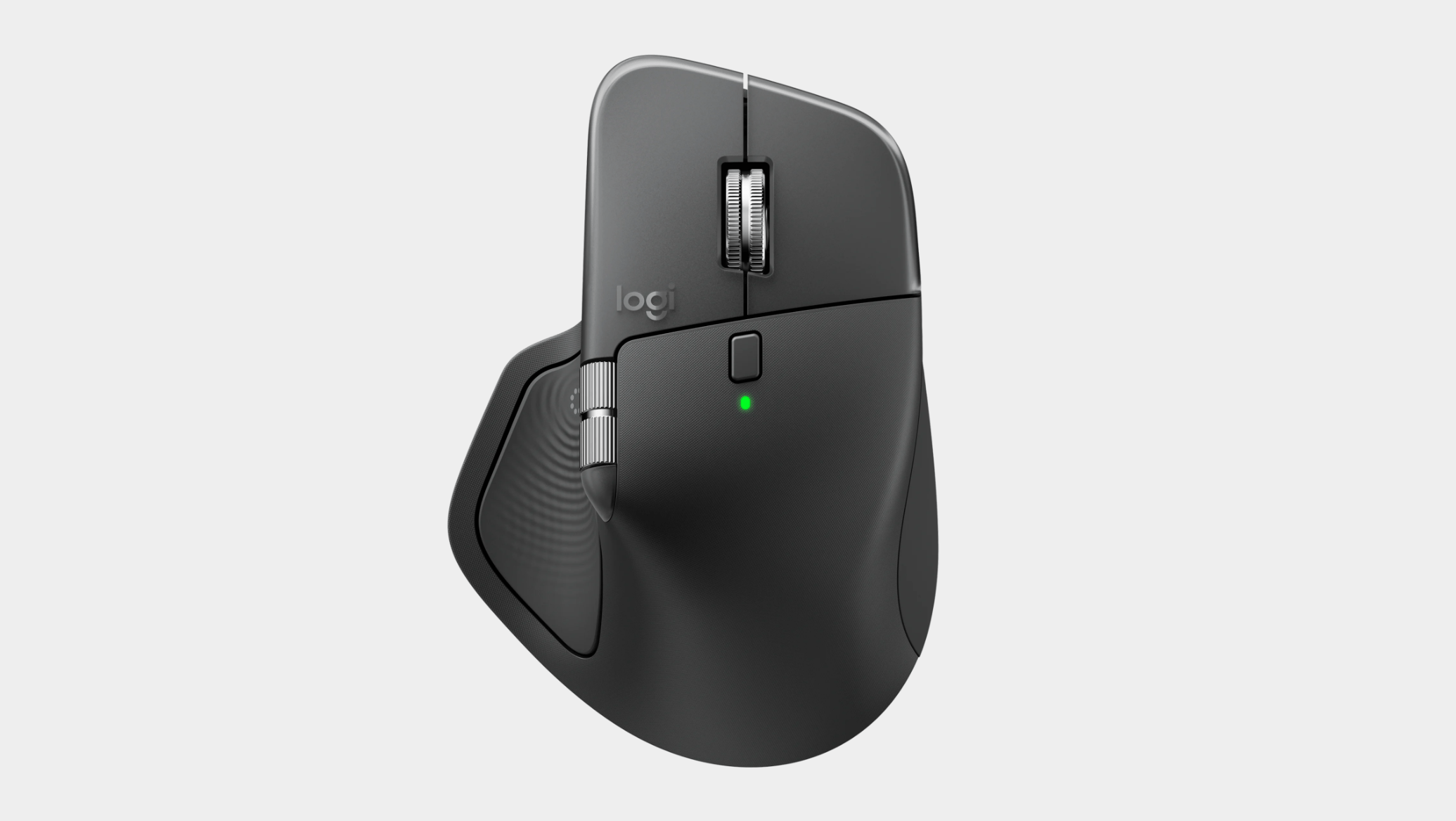
In contrast to several consumer electronics brands in Australia, Logitech has pulled back from pursuing subscription-based revenue models. Some competing companies sell hardware cheaply and then recoup profits through subscriptions, according to industry observers.
Faber drew criticism last year after discussing the concept of a “forever mouse” in an interview with The Verge—a device that could gain new features over time, potentially via subscriptions. The idea sparked backlash from tech enthusiasts already weary of subscription creep, prompting widespread debate on Reddit. Logitech later clarified that the concept was merely “provocative internal thinking” about long-term sustainability, and not an actual product plan.
“It was never about subscription,” Faber told Bloomberg. Logitech aims to make its hardware more durable and environmentally friendly. “Throwing things away all the time is just not a great thing for the planet. So this is about durability.”