LG Profits Surge 56%, But Thin TV And Appliance Margins Reveal Why Subscriptions Is A Potenial Option In Australia
 David Richards
30 Oct 2026
LG Electronics has delivered a strong set of third-quarter financial results, with its appliance business maintaining profitability, its TV division staging a recovery and its rapidly expanding subscription business emerging as a major new source of revenue despite concerns about the way that data is captured and sold to third parties.
The South Korean electronics giant reported A$25.29 billion in third-quarter revenue, up 8.9% year-on-year, while operating profit climbed 13.5% to A$830 million.
More significantly, operating profit for the first nine months of 2026 surged 55.9% to A$4.28 billion, with LG benefiting from premium OLED TV sales, appliance demand across different price segments and expansion into services and commercial markets.
LG’s Home Appliance Solution division generated A$7.47 billion in revenue and A$275 million in operating profit during the September quarter.
This was the second consecutive quarter in which the business exceeded A$7.43 billion in revenue. 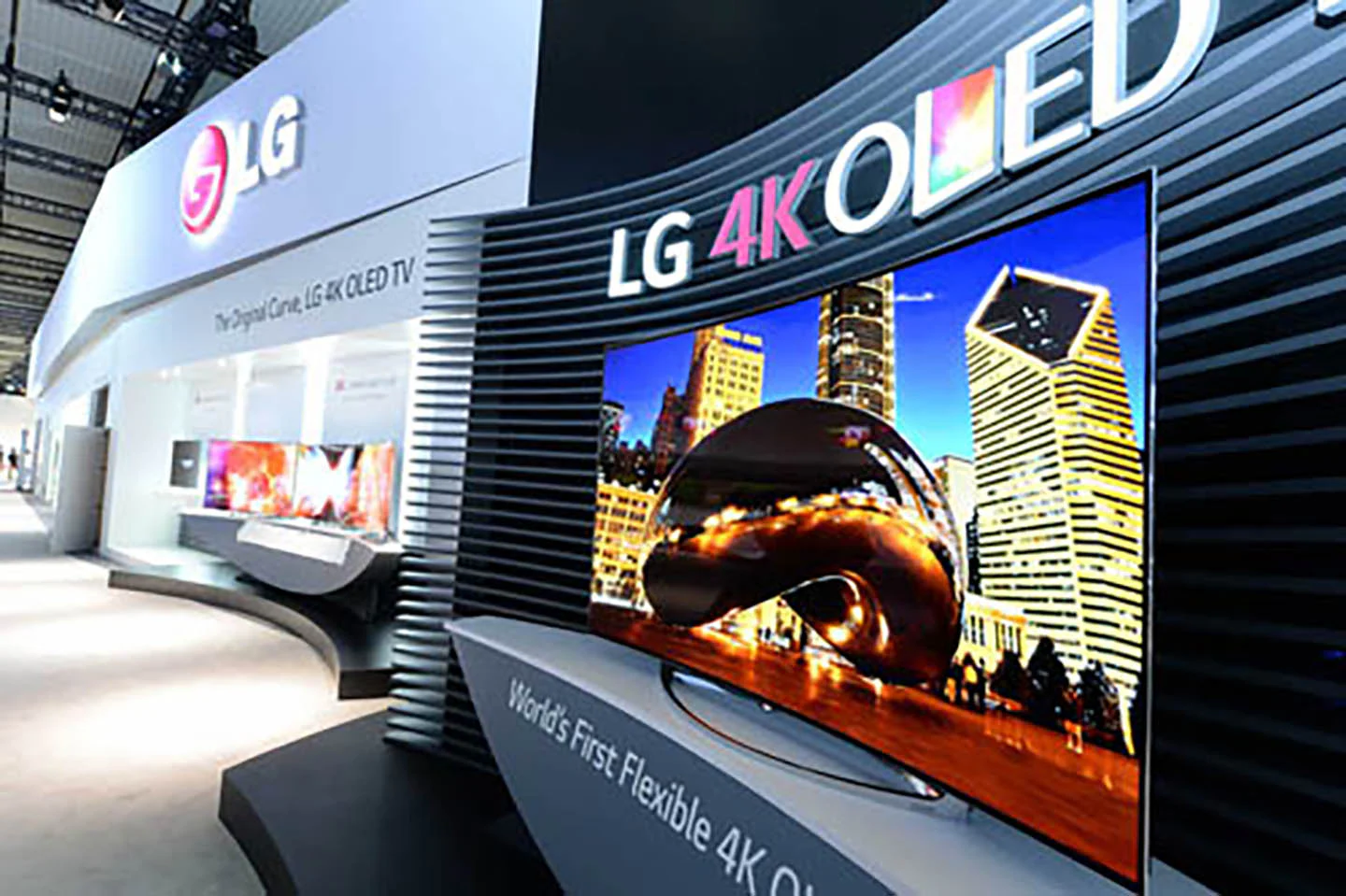
LG attributes the performance to a dual-track strategy targeting both premium appliances and more affordable, mass-market products.
Despite higher logistics and marketing costs, the division remained profitable.
However, LG is warning that a significant recovery in global appliance demand is unlikely during the final quarter of 2026.
To counter this management intends to pursue further expansion in emerging markets, where consumer demand has been more resilient.
The operating margin was approximately 3.7%, highlighting how even a major appliance manufacturer can generate relatively modest margins on substantial revenue.
LG’s Media Entertainment Solution division, which includes televisions and other entertainment products, reported A$5.33 billion in revenue and A$156 million in operating profit.
The improvement was driven by higher sales of premium OLED televisions and increased demand in emerging markets.
The recovery is significant because LG’s television business had been struggling with profitability during the previous year.
However, the company faces two major challenges heading into the fourth quarter, rising memory and display-panel costs, and weakening global television demand.
LG expects television demand to decline year-on-year as high oil prices and interest rates continue to affect consumer confidence.
The division’s operating margin was approximately 2.9%.
Importantly, these results cover the broader Media Entertainment Solution business, not standalone television hardware sales.
LG has not separately disclosed TV-only revenue or profitability in the headline announcement.
One of the most interesting developments is LG’s expansion into subscription services.
Q3 2026 subscription and maintenance services revenue came in at A$807 million delivering 8.6% growth year-on-year growth.
This division which has caught the attention of Government officials in the USA and Europe includes product subscription arrangements and associated maintenance services.
It is not solely revenue from TV streaming or webOS subscriptions.
Currently LG is moving beyond traditional one-off appliance sales towards a model in which customers can obtain products through ongoing payment arrangements, often combined with maintenance and servicing.
This is particularly relevant for refrigerators, washing machines, air purifiers and other household products.
At this stage it’s not known whether the leasing and direct sell model will be launched in Australia.
The strategy has several potential commercial advantages:
– Recurring payments provide greater revenue visibility than individual appliance purchases.
– Maintenance arrangements create continuing relationships with customers.
– Product subscriptions can reduce the initial cost barrier for consumers.
– Subscription contracts may provide opportunities to upgrade customers to newer products.
LG’s subscription revenue represented approximately 3.2% of total group quarterly revenue.
The company has not disclosed a separate operating profit for the subscription business in its headline financial release, so its profitability cannot be compared directly with the appliance or television divisions.
An important element of LG’s latest financial performance is its expansion into business-to-business operations, particularly cooling technology for artificial intelligence data centres.
B2B revenue increased 3.4% to approximately A$6.48 billion during the quarter.
Meanwhile, cumulative orders for AI data-centre cooling solutions exceeded A$3.19 billion by the end of September, compared with approximately A$637 million at the end of June.
At this stage it’s not known whether LG is supplying Australian data centres.
This is a significant move because LG is developing additional revenue streams beyond consumer electronics, where demand is cyclical and hardware margins are often relatively thin.
Analysts claim that in Australia LG’s premium TV recovery is not necessarily evidence of a broad television market recovery.
The company is improving performance through OLED and higher-value products while simultaneously forecasting weaker television demand.
That raises questions about the prospects for brands competing primarily on price and volume.
Second, LG’s appliance business is growing, but its margins remain modest.
An operating margin below 4% suggests that logistics, marketing expenditure and competitive pricing remain important constraints.
Additionally LG’s subscription strategy could eventually change how appliances are sold in Australia. A business generating more than A$800 million in quarterly subscription and maintenance revenue globally has the scale to experiment with alternative distribution models.