Telstra CEO Pay Rises 11% Despite Triple 0 Outage And Revenue Drop
 Emma Wheaton
13 Aug 2026
Emma Wheaton
13 Aug 2026

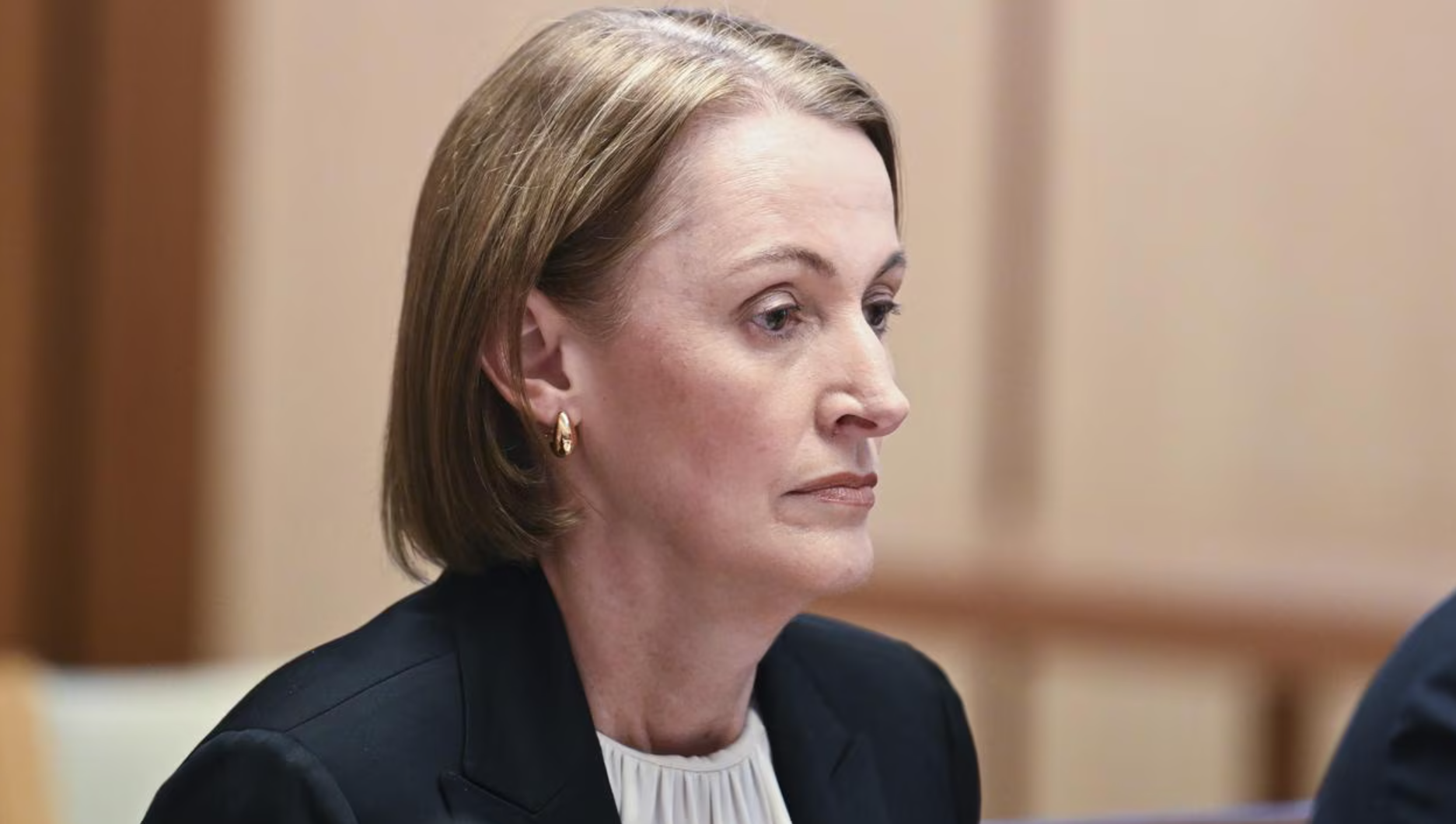
Telstra chief executive Vicki Brady has received an 11% increase in total remuneration despite a major national network outage and weaker revenue growth at the telecommunications giant. The increase brings her pay to about $6.8 million.
Brady’s pay rise has drawn scrutiny because the July outage affected mobile services and emergency communications across Australia, prompting political and regulatory attention and forcing Telstra to cut executive bonuses.
Her short-term incentive was reduced by $607,000 as a consequence of the outage, while other senior executives also faced cuts. Despite the penalty, Brady’s overall remuneration increased from the previous financial year.
The outage, which began on July 8, was linked to a software issue involving network infrastructure. Telstra subsequently provided around $1 million in credits to about 30,000 affected customers, while investigations into the incident continue.
Brady has apologised for the disruption, acknowledging that Telstra had let customers and Australians down, particularly given the impact on Triple Zero emergency services.
The pay controversy also comes as Telstra delivered a mixed financial result for the year to June.
The company reported net profit of about $2.4 billion, up 2.7%, while mobile revenue remained a key source of growth. Mobile revenue increased 4.8%, helped by higher prices and growth in wholesale and prepaid customers.
However, total revenue declined slightly, reflecting weakness in parts of Telstra’s business. The Australian Financial Review reported that revenue was being weighed down by the company’s business operations.
Telstra has responded with aggressive cost management. The company reduced its workforce by more than 1,200 employees during the year, while labour costs fell by about $275 million. Telstra has also pointed to AI and automation as part of its drive to improve efficiency.
Meanwhile, shareholders are being rewarded. Telstra announced a further $1 billion share buyback after completing a previous $1.25 billion repurchase. Its dividend was increased by 10.5 per cent.
The combination of Telstra’s executive pay increases, workforce reductions, higher shareholder returns and pressure on revenue is likely to keep the spotlight on the company, particularly its approach to performance and accountability.
For Brady, the remuneration decision also highlights the difficulty of separating longer-term executive performance from the consequences of a major operational failure.
While Telstra’s board did already impose a financial penalty on Brady, via the reduction in Brady’s bonus, the increase in her remuneration means she will still take home significantly more than the previous year.
According to the company, further accountability measures will be considered once the external review into the outage is complete.