Xiaomi’s OZ Expansion Threatens Rivals in Smartphones, And Appliances, Claim Analysts
 David Richards
06 Oct 2025
David Richards
06 Oct 2025
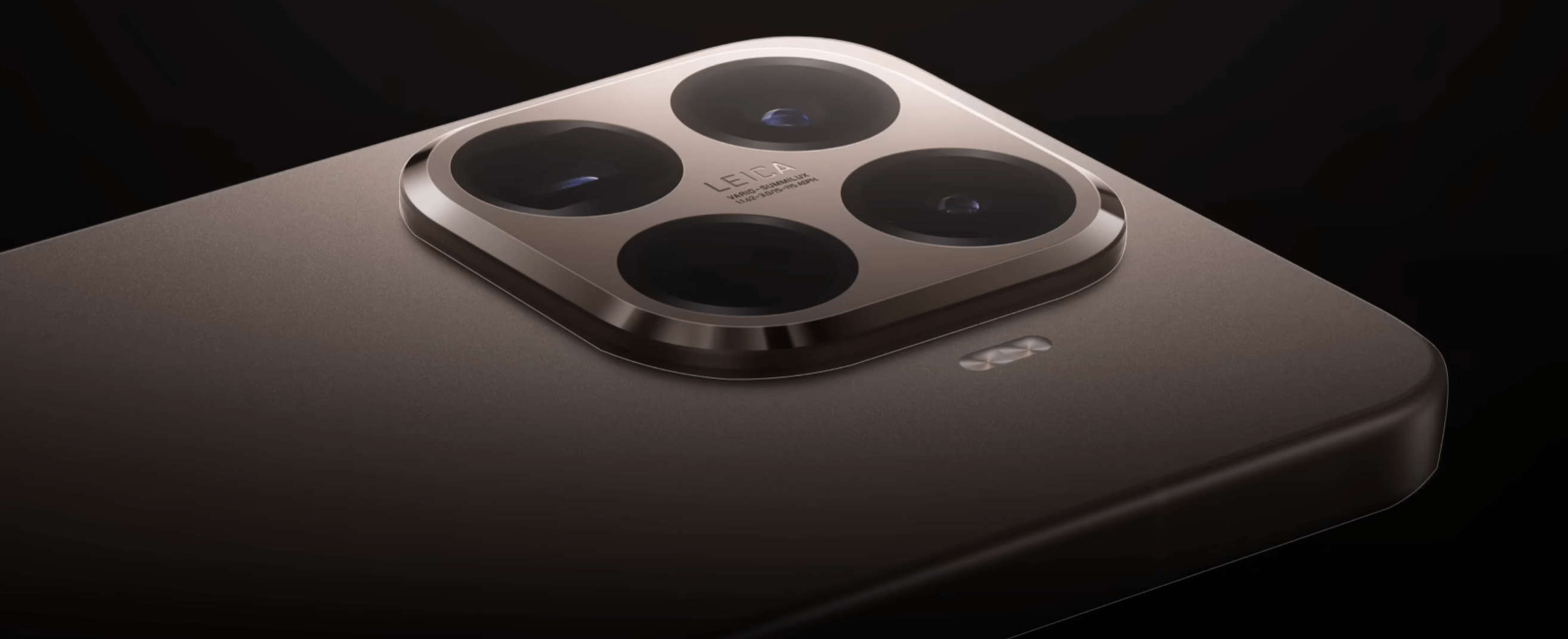
HMD Global, whose former Australian general manager has already exited the struggling smartphone brand, might as well cut its losses and head back to Europe — because a new heavyweight player is making life difficult for the likes of Samsung, Motorola, and Apple with brands such as HMD who lack the marketing or brand pull that Xiaomi have developed set to struggle.
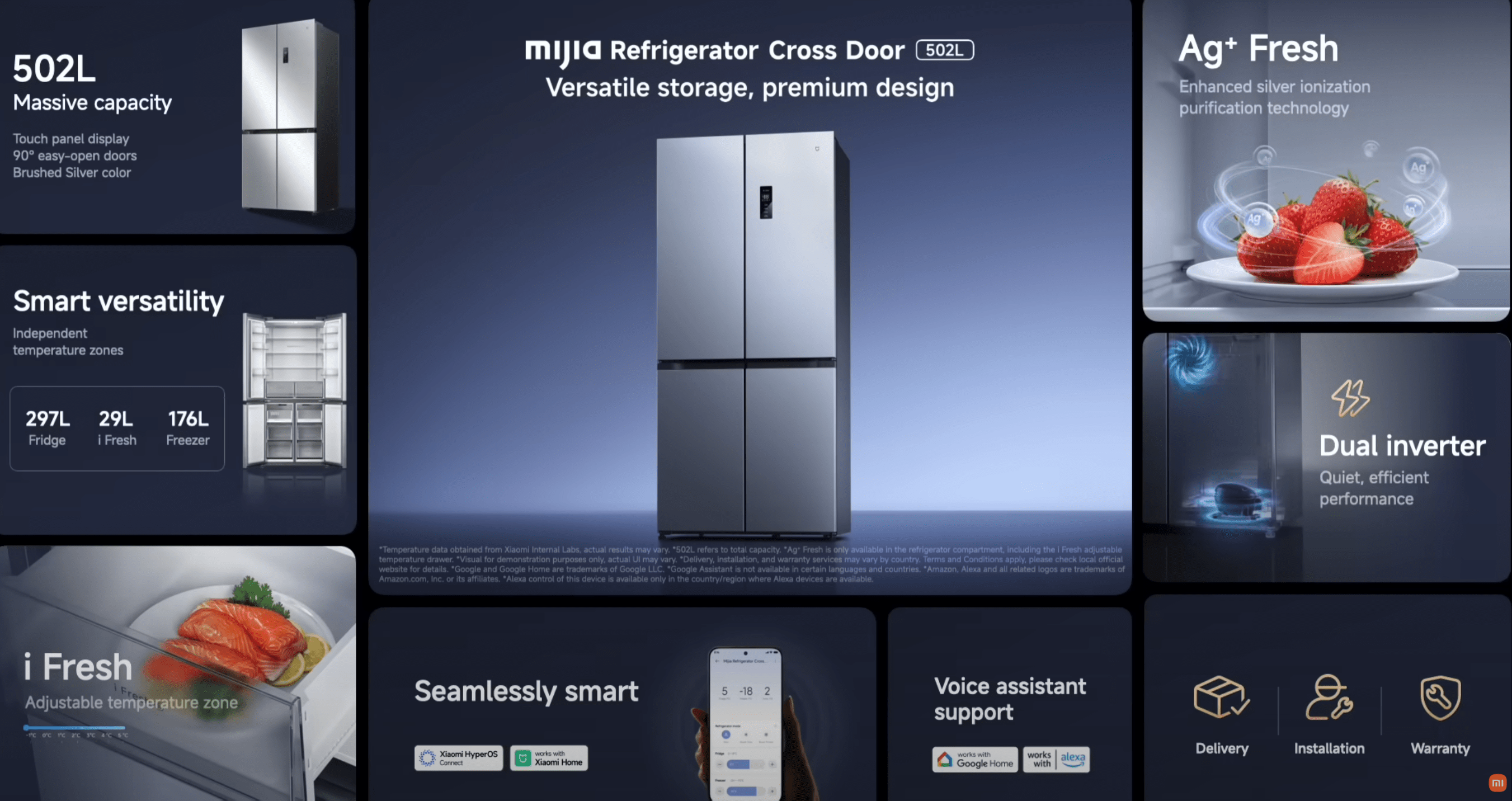
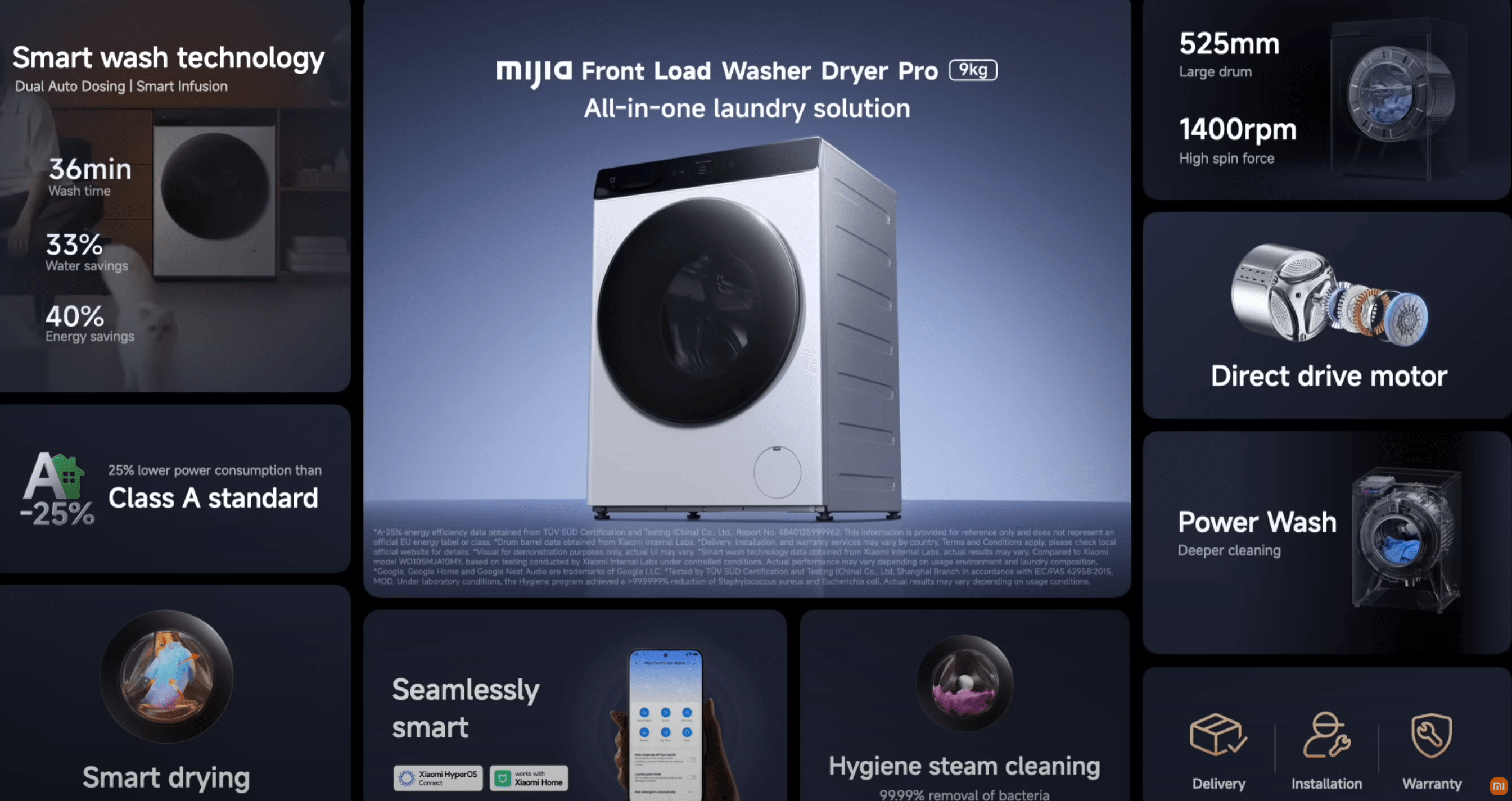
That challenger is Xiaomi, the Chinese technology giant rapidly expanding its reach across smartphones, smart home appliances, and even electric vehicles. Analysts warn that the company’s growing portfolio could also pose a serious threat to major appliance makers including LG and Samsung, as Xiaomi pushes further into categories such as robotic vacuum cleaners, washing machines, dryers, and security cameras.
The company recently outlined its global product roadmap for 2025–2026, and if these products reach Australia, insiders say Xiaomi could shake up multiple sectors.
See 2025/2026 product plans video here.
A Global Powerhouse on the Rise
Founded in 2010 and listed on the Hong Kong Stock Exchange in 2018, Xiaomi has grown into a global powerhouse. Today it holds 14.6% of the global smartphone market, trailing only Apple and Samsung.
Unlike Huawei — whose reputation suffered due to concerns over ties to the Chinese Communist Party — Xiaomi has focused on innovation, performance, and affordability, guided by its mission to make cutting-edge technology accessible to everyone.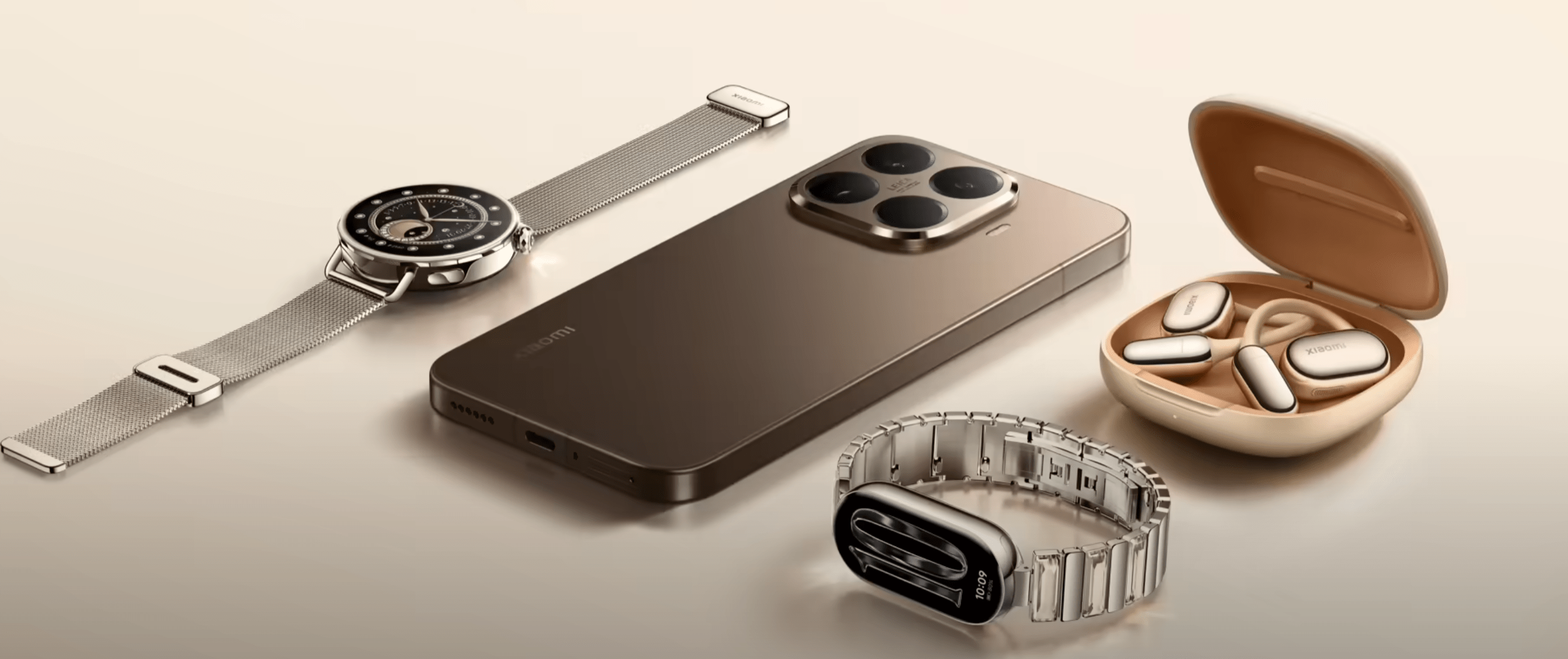
The company’s momentum is particularly strong in overseas markets. Insiders at Xiaomi’s Sydney headquarters say Australia is now considered a key growth market. In the quarter ending August, Xiaomi generated A$9.72 billion in revenue, achieving a gross margin of 11.5%.
Smartphone shipments, particularly in Southeast Asia, have surged — driving a 30.5% rise in second-quarter revenue. However, Xiaomi President Lu Weibing recently trimmed shipment targets slightly, from 180 million to 175 million units, citing a “flat global smartphone market” in 2025.
Taking the Fight to Apple
Unfazed by slowing industry growth, Xiaomi co-founder and CEO Lei Jun is doubling down on the premium segment — directly targeting Apple.
Xiaomi recently unveiled its new Xiaomi 17 series, designed to go head-to-head with the iPhone 17. The new smartphones — available in Base, Pro, and Pro Max versions — are priced from A$995, around A$150 cheaper than Apple’s entry-level model.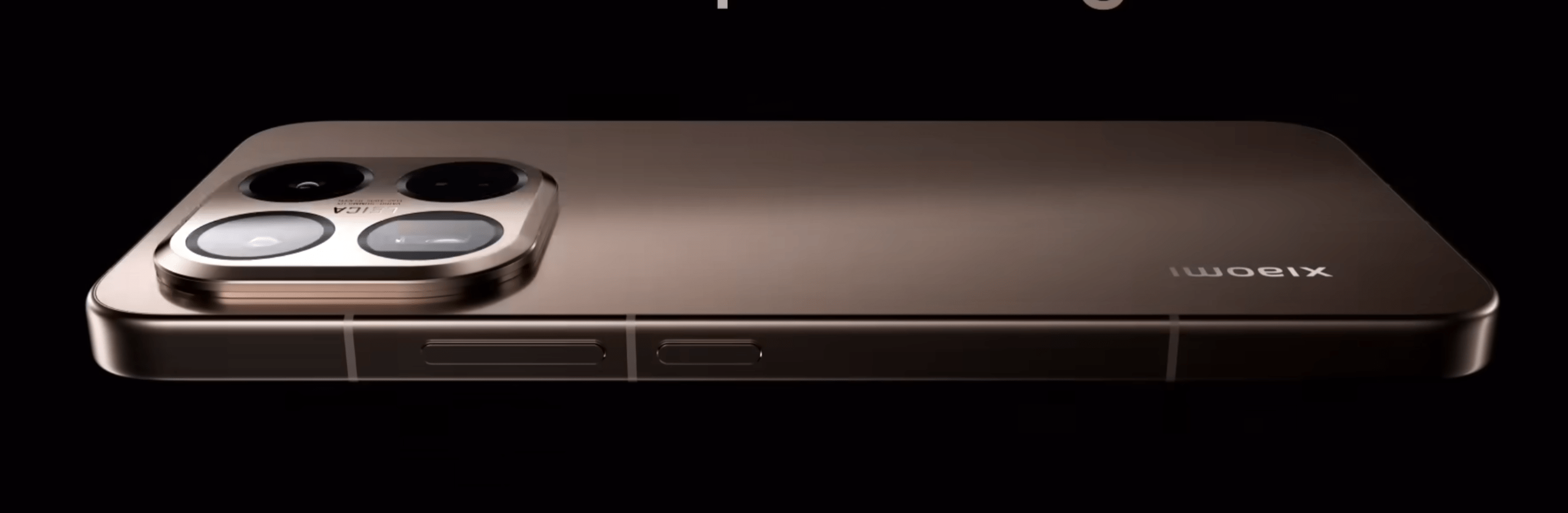
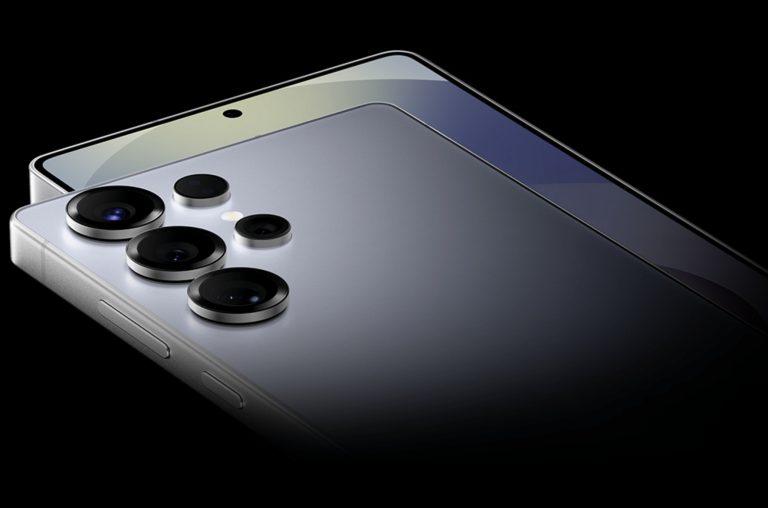
The Xiaomi 17 boasts a secondary rear display, larger battery, and brighter screen than the iPhone 17. Xiaomi even skipped the “16” generation entirely to position the 17 directly against Apple’s latest flagship.
During a two-hour product showcase, Lei Jun led a side-by-side comparison of the Xiaomi 17 and iPhone 17, highlighting advantages in battery life, display brightness, and camera performance.
“Australia is an attractive market because of the high adoption rate of premium smartphones,” Lei said, signalling Xiaomi’s intent to capture local consumers who typically favour Apple and Samsung.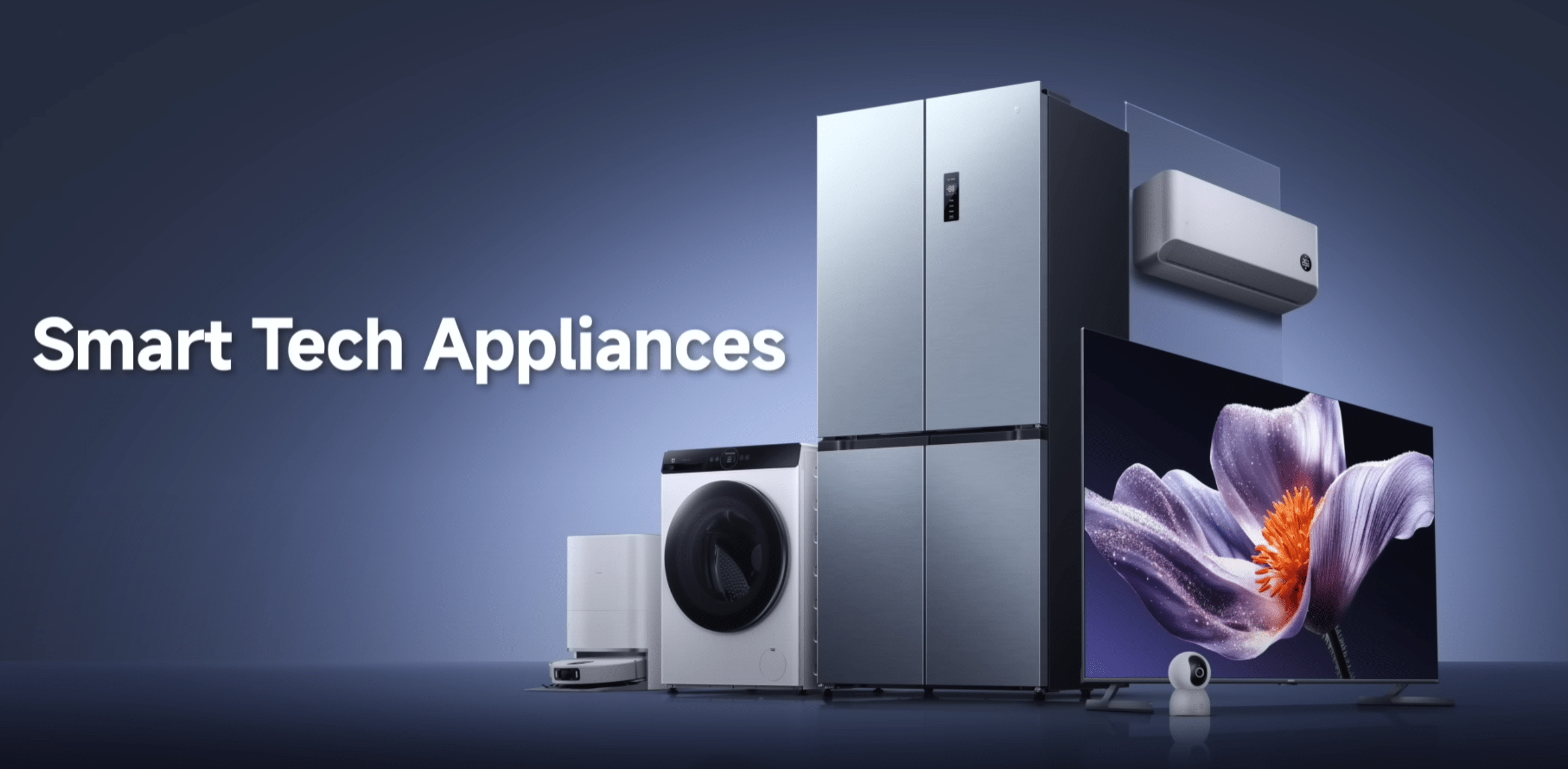
Beyond Phones: EVs and Custom Tech
Xiaomi’s ambitions extend far beyond mobile devices. The company has launched a customisation service for its A$100,000 SU7 Ultra electric sedan, allowing buyers to select bespoke trims and paint finishes — a move clearly aimed at the luxury automotive market.
In China, Xiaomi’s EVs are already attracting buyers who might otherwise consider brands like Porsche, Audi, BMW, or Mercedes-Benz. The company’s amethyst-purple colour option alone takes 50 hours to apply, including hand polishing, underscoring its premium positioning.
While some analysts caution that Xiaomi’s foray into luxury cars may not appeal to every Porsche owner — estimating the new customisation options could add only 1–2% to global revenues — it’s clear that Xiaomi is encroaching on Western premium territory across both tech and automotive sectors.
Unlike Huawei the Chinese government does not have a direct shareholding in Xiaomi.
Instead it is a publicly traded company whose ownership is held by its shareholders and controlled by its co-founders, primarily through voting shares.
While Chinese companies can be state-owned, Xiaomi is not a state-owned enterprise (SOE) and has publicly denied any affiliation with the Chinese military.
With a fast-growing product ecosystem, global momentum, and an aggressive push into premium categories, Xiaomi is emerging as a formidable challenger not just to smartphone heavyweights like Apple and Samsung, but also to appliance and automotive leaders across multiple industries with the Company determined to grow share “quickly” in Australia.