LG Caught Sneaking McAfee Ads Onto PCs, As Their TV Apps Are Exposed Hijacking Home Networks
 David Richards
28 Jul 2026
David Richards
28 Jul 2026
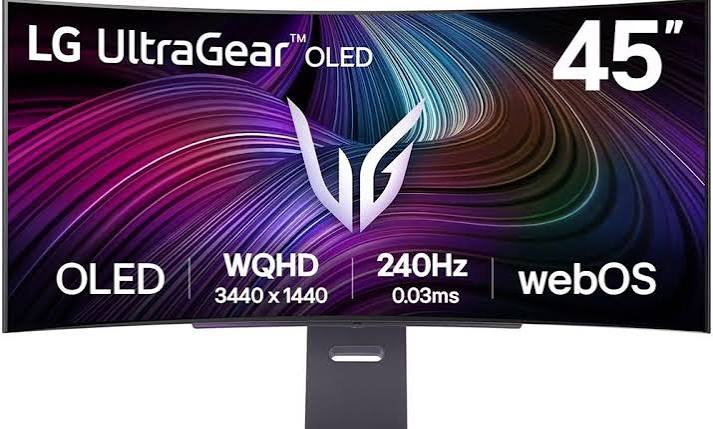
LG Electronics, a Company already pocketing tens of millions selling confidential data on consumers’ viewing habits while pushing their own advertising to LG TVs, has been caught out again, this time sneaking software onto the PCs of consumers who bought one of their gaming monitors.
Consumers who plugged a new LG monitor into a Windows PC found they were getting a lot more than a driver download, with the South Korean Company’s Monitor App Installer landing on their machines via Windows Update, then serving up a McAfee antivirus trial pop-up, with no owner permission in sight.
Now Microsoft has stepped in, and LG says it is turning the ads off after being caught out trying to squeeze extra revenue from consumers who had already handed over their money for a monitor, adding to a long history of LG monetising owners of their TVs and appliances, often to the annoyance of the very people who bought the products.
The Bloatware Money Machine
The antivirus trial rort, rampant on notebooks for years, works on a simple model, the hardware vendor gets paid once a trial is activated, and that is another story entirely.
Microsoft is no saint here either, the Redmond Company rakes in money from app partnerships of its own, and currently lets hardware makers auto-install companion software the moment a device is plugged in, no user consent required.
LG simply moved to exploit the same pipeline for its Monitor App Installer, only this time Microsoft objected, basically because Microsoft wants to generate that additional revenue themselves, not hand it to LG, a Company already raking in millions selling access to its customer base of TV owners.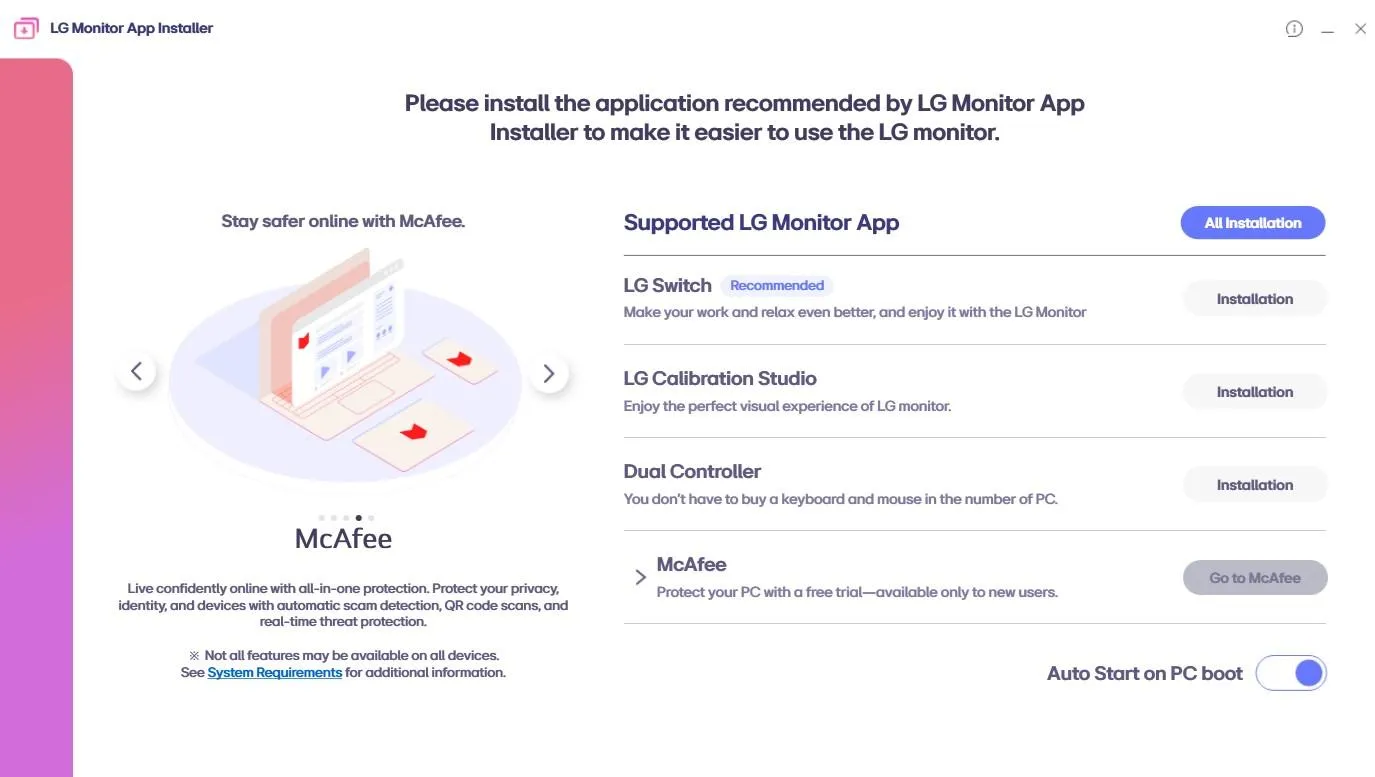
How LG Got Sprung
The scheme unravelled fast. Following user backlash on Reddit and social media, Epic Games CEO Tim Sweeney tagged Windows chief Pavan Davuluri in an X post highlighting the issue, noting reports of the pop-ups appearing across arbitrary hardware.
Davuluri confirmed the resolution three days later, saying LG had agreed to disable the McAfee pop-up as an immediate fix.
In a statement to Windows Latest, LG defended itself, claiming McAfee never installs without a user’s explicit consent, and pointed to Microsoft’s own Windows distribution process as the source of the problem.
That explanation does not match what several owners reported seeing, with multiple users describing the pop-up appearing on its own, with no install prompt to consent to in the first place.
And while this particular issue has been resolved, the auto-install pipeline behind the McAfee pop-up remains active for every other manufacturer. Microsoft moved fast once the complaint reached the right person, but that is a problem in itself, it took a billionaire games executive tagging a Microsoft EVP to get action that ordinary consumers could not.
LG’s TV Apps Exposed As Data Harvesters
McAfee pop-ups are not the only problem LG is facing, with apps on their webOS TVs also being used to capture consumer information on the sly.
What look like harmless apps on an LG TV are in fact a means by which other organisations can quietly get access to a consumer’s home internet connection.
A report from security firm Spur found that more than 42% of apps on LG’s webOS store include SDKs that quietly reroute internet traffic through the owner’s TV, indefinitely.
It is like renting out your TV’s internet connection without fully realising it. Companies pay app developers to bundle these SDKs into their software, and in return the TV’s IP address gets used by paying customers elsewhere. Spur found the code hidden in everything from simple games to screensavers and file utilities, not just obscure or sketchy apps.
LG Moves To Protect Its Own Data Racket
According to a report from KrebsOnSecurity, LG has now moved to stop anyone but themselves gathering information via their TVs.
This week the Company confirmed it plans to suspend any webOS app that turns a TV into what is called a residential proxy node.
LG Senior Vice President John Taylor told KrebsOnSecurity that developers who do not strip out the proxy feature will have their apps pulled entirely, adding that LG’s review of its app catalogue is already underway, and that the Company plans to tighten how it evaluates submissions going forward.
For consumers, the message is simple, whether it is a monitor spraying antivirus ads across a Windows desktop or a TV quietly renting out the household internet connection, buying an LG product increasingly means becoming the product.