Key Telstra & Optus Partner Facing A1.5 Billion Dollar Fine Following Corruption Investigation
 David Richards
12 Dec 2025
David Richards
12 Dec 2025
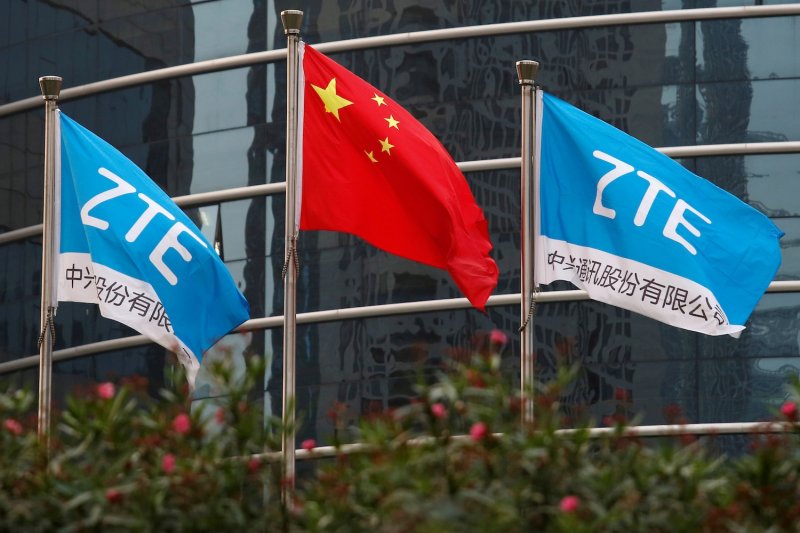
ZTE, a key Chinese mobile phone supplier to both Telstra and Optus, is now facing a possible $1.5 billion fine over what U.S. authorities have described as outright corruption.
Despite their close commercial ties with ZTE, neither Optus nor Telstra have indicated whether they intend to halt sales of ZTE-manufactured devices, even as concerns rise over the company’s high-risk profile and alleged links to the Chinese Communist Party (CCP).
Both telcos have previously avoided answering questions about why they continue to partner with an organisation whose history of corruption allegations is well documented. Optus, along with TPG—now operating the Vodafone network—was also a strong backer of Huawei prior to its ban in Australia.
At both Optus and Telstra the companies house branded smartphones as well as feature phones are manufactured by ZTE.
ZTE and several of its affiliates have already been placed on U.S. Entity Lists, which restrict access to American components and software. This has caused significant supply chain complications given the company’s reliance on U.S. semiconductors. As a state-linked Chinese enterprise, ZTE’s governance and operations are understood to be strongly influenced by the Chinese government.
The company has previously paid over A$3 billion in fines to U.S. authorities for export-related violations.

Optus Admits Deaths Linked to 000 Failures
This week, Optus—one of ZTE’s major Australian partners—admitted at a Senate inquiry that multiple deaths occurred during the September 18 network outage, with families unable to contact 000 due to handset failures.
The inquiry is examining when senior management first became aware of the fatalities and whether the company may have broken the law. A timeline submitted by Optus revealed it knew on the Thursday night that lives had been lost, yet delays occurred in informing both government officials and new CEO Stephen Rue.
“What this says to me is that your management team is not up to the job,” Senator Sarah Hanson-Young said during the hearings.
Optus has also faced accusations of a separate 000-related fatality following the shutdown of the 3G network. The telco continues to sell a wide range of ZTE-branded smartphones.
According to ChannelNews sources, both Optus and Telstra are preparing to expand their partnerships with ZTE and introduce new handsets into the Australian market in 2026.
Global Corruption Investigations
ZTE is currently under investigation by the U.S. Department of Justice for alleged violations of the Foreign Corrupt Practices Act (FCPA), involving suspected bribery schemes in South America—particularly Venezuela—aimed at securing major telecommunications contracts. The resulting settlement could exceed US$1 billion.
Between 1998 and 2014, ZTE was reportedly connected to corruption allegations in 18 countries, including claims of payments to public officials to win contracts with carriers similar to Telstra and Optus.
It remains unclear how much ZTE provides Telstra or Optus in marketing incentives.
Several years ago, a former Telstra executive was reportedly taken on ZTE-funded trips to China, involving entertainment and golf, before unexpectedly resigning without public explanation.
One of the most notorious scandals occurred in the Philippines, involving a US$329 million broadband contract awarded to ZTE in 2007—later plagued by bribery accusations and procedural irregularities. The controversy led to the project’s suspension and generated significant political fallout.
ZTE’s Response
In a statement to the Hong Kong Stock Exchange, ZTE said it remains in “ongoing communication” with the U.S. Justice Department regarding the current investigation.
“The Company consistently commits to strengthening its compliance system and building an industry-leading compliance framework,” it said, adding that it maintains a zero-tolerance policy toward corruption.
Any settlement with the U.S. would require the approval of Chinese authorities.
Wider History of Allegations
The U.S. has a long record of targeting foreign bribery within the telecommunications sector, with recent enforcement actions involving companies from Sweden, Russia, and Venezuela.
In 2015, Norway’s Government Pension Fund Global highlighted ZTE’s connection to corruption cases in Algeria and Zambia dating from 1998 to 2014. The Council on Ethics recommended excluding ZTE from the fund, citing suspicions of bribes ranging from several million to tens of millions of dollars.