Japanese Accessory Maker CIO Sets Sights on Charger Market, Targeting Anker’s Weaknesses
 David Richards
02 Sep 2025
David Richards
02 Sep 2025

Japanese accessory manufacturer CIO is preparing an international expansion aimed at challenging Chinese rival Anker in the fast-growing mobile device charger market, with entry into the Australian and U.S. markets on the agenda.
The timing could prove advantageous.
Anker, which distributes its products in Australia through a Melbourne-based partner Distributed Electronics, is facing mounting reputational issues after more than one million of its charging devices were recalled earlier this year. Safety concerns have even reached airlines: on a recent Qatar Airways flight to Berlin for IFA 2025, passengers were specifically asked whether they were carrying Anker products.
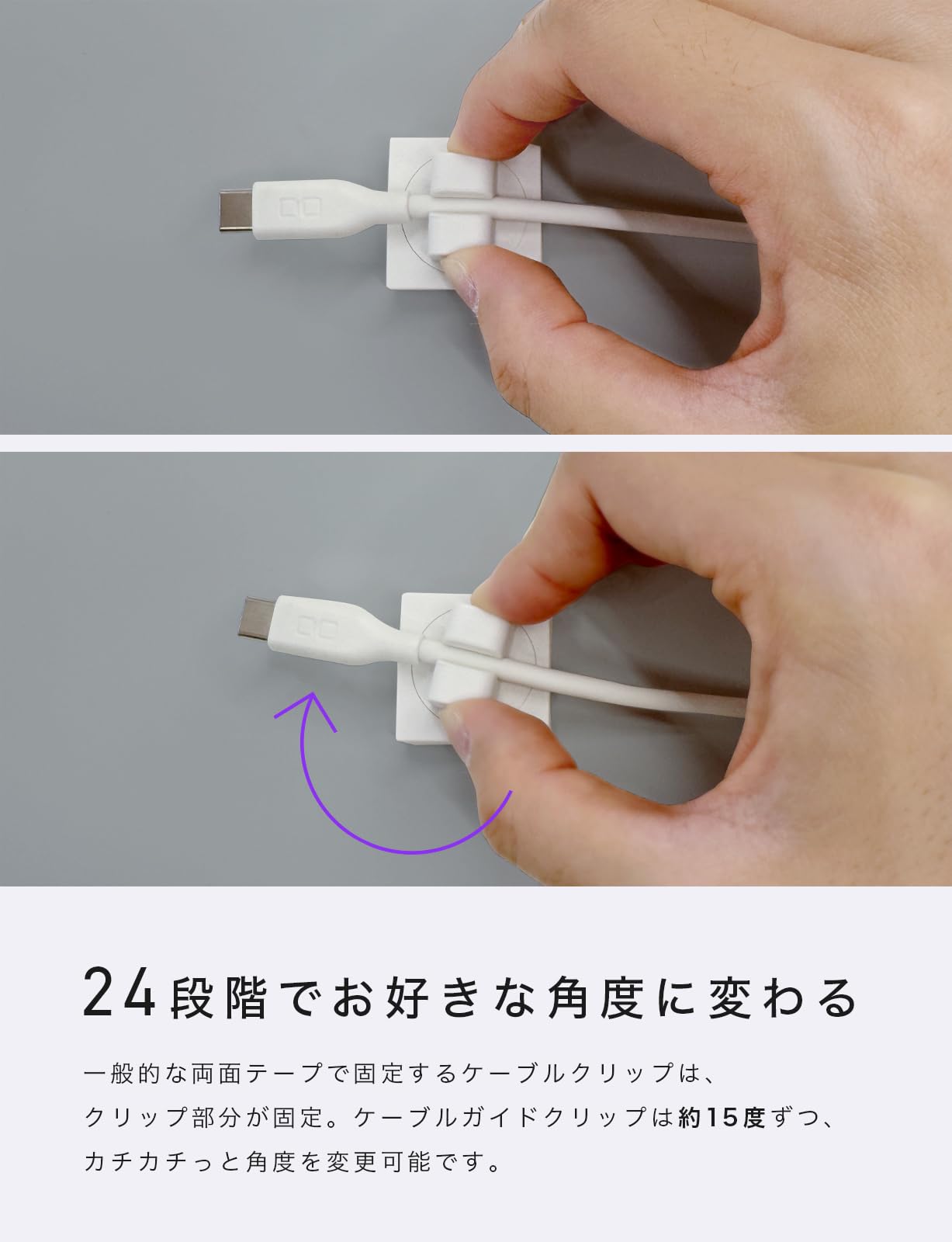
CIO is already in talks with potential Australian distributors about a wide portfolio of accessories, including charging cables, wireless solutions, and multi-function stands. The company expects to have around 50 products available globally in 2025 and is also planning to launch a dedicated storefront on Amazon, a channel that has historically been a major driver of Anker’s U.S. sales.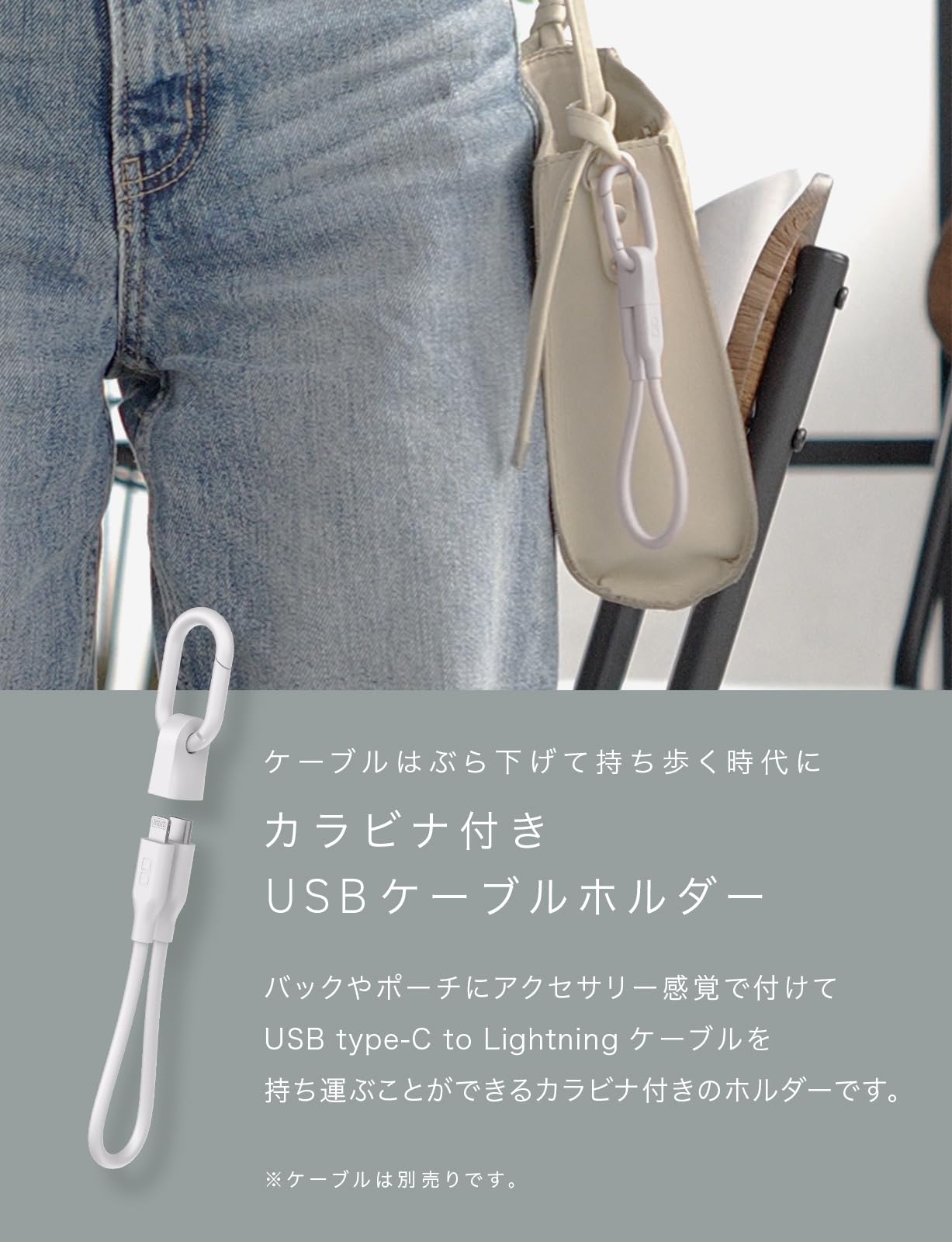
Discussions are also underway with consumer electronics retailers across several countries, underscoring CIO’s ambitions to scale quickly beyond its home market.
Founded in 2017, CIO has built a strong reputation in Japan for sleek, multi-purpose accessories, including an iPhone and Apple Watch charger that doubles as a phone stand. CEO and founder Shodai Nakahashi believes the brand must now step onto the global stage.
“The U.S. is the most developed market for technology products. If we stay just in Japan, we’ll be like the frog in the well that knows nothing about the broader world,” Nakahashi told Nikkei Asia. “We need to quickly build products and brands that can compete globally.”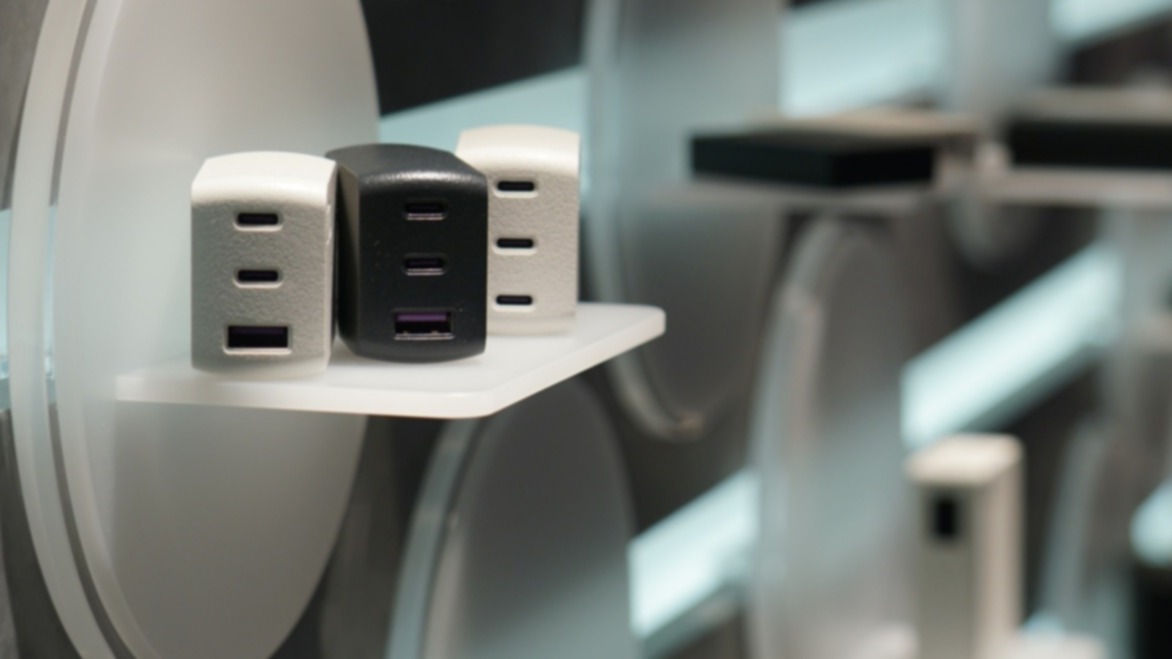
Industry insiders at IFA noted that Anker still dominates U.S. charger sales, but a series of recalls has left many consumers increasingly wary of the brand. That opens the door for competitors like CIO, which hopes to differentiate through design, safety, and Japanese-inspired aesthetics.
While product development and design remain in Japan, manufacturing is outsourced to China. However, ongoing U.S. tariffs on Chinese goods are pushing CIO to explore alternative production bases in Vietnam and Malaysia, aiming to keep prices competitive while maintaining quality.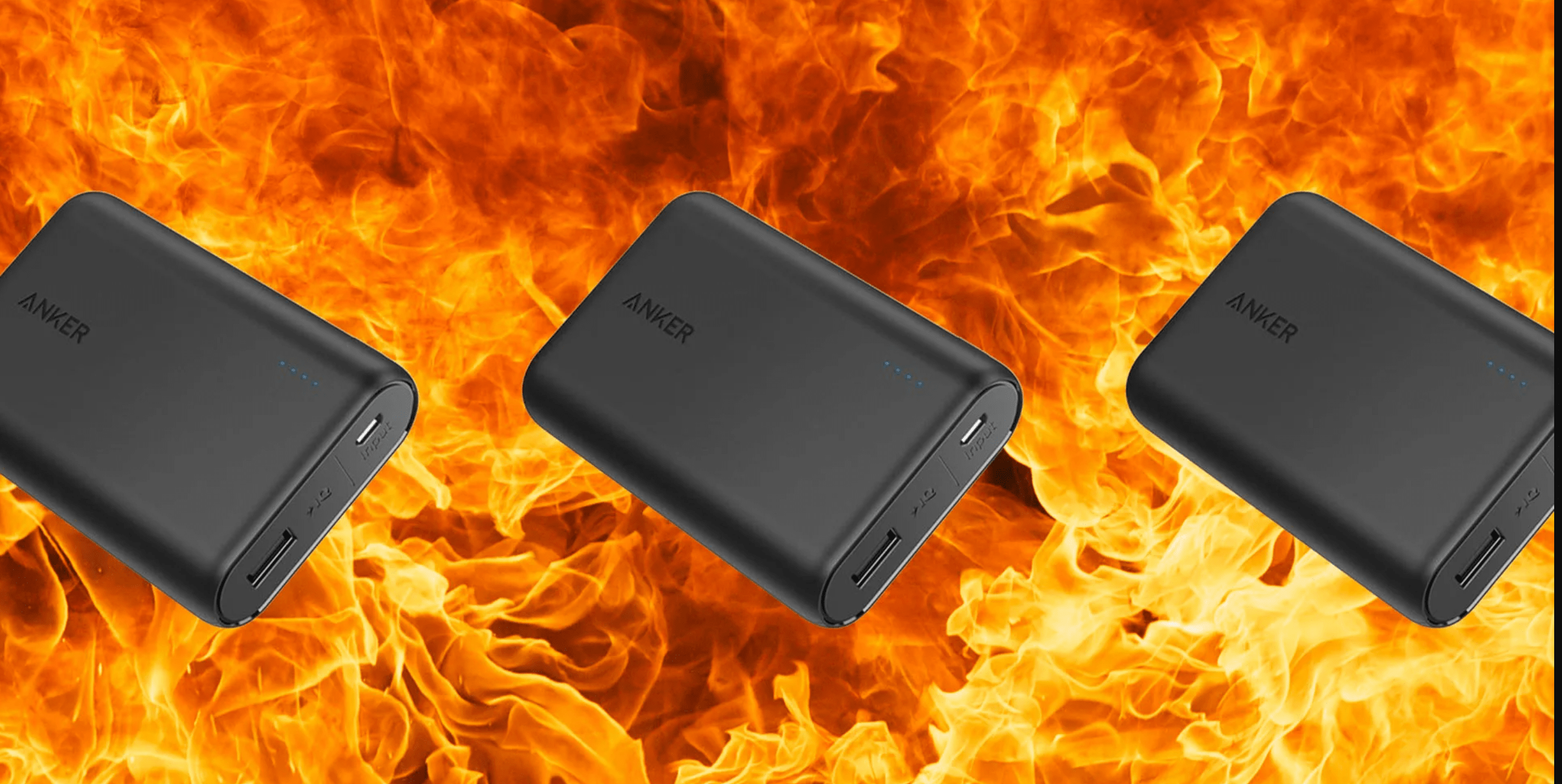
The broader sector continues to grapple with reliability concerns. In June, Anker’s Japanese subsidiary initiated a voluntary recall of four charger models, collectively representing more than a million units—an incident that has only amplified scrutiny over safety standards in the category.