iRobot Reboot Sparks Fresh War in Australia’s Booming Robot Vacuum Market
 David Richards
13 Apr 2026
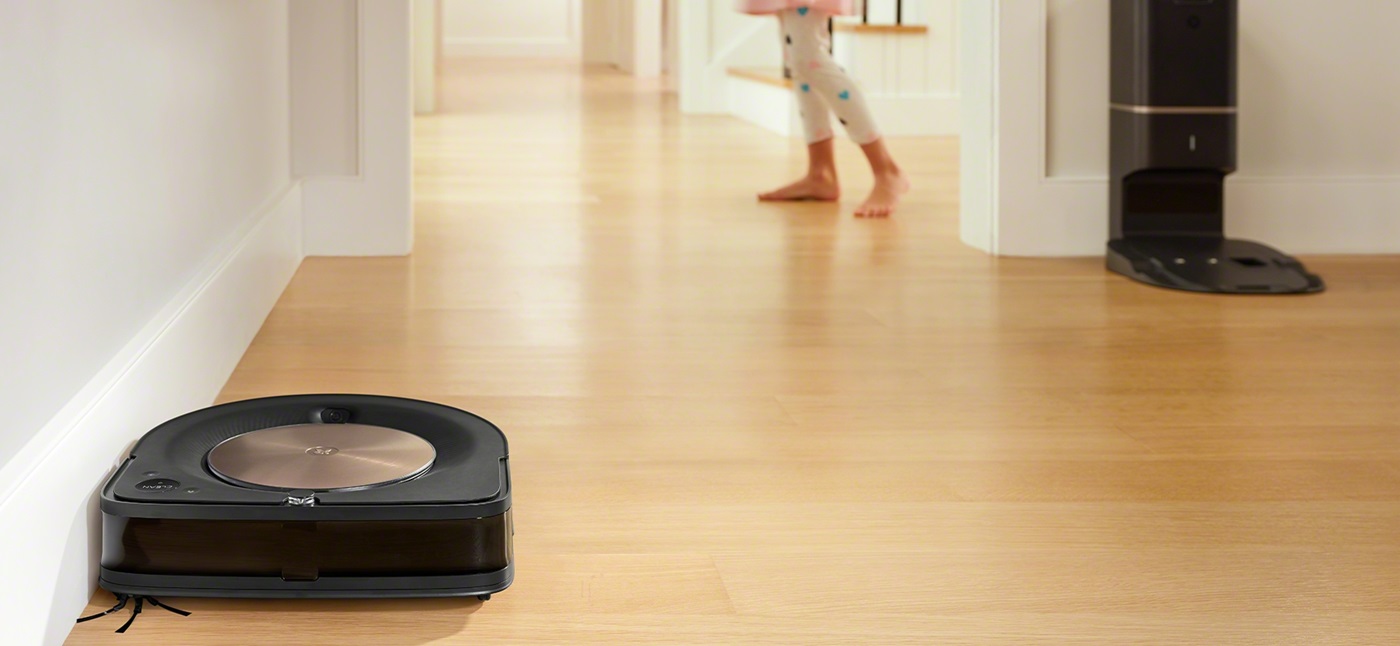
Australia’s multi-million-dollar robotic vacuum cleaner market is heading for a major shake-up, with category pioneer iRobot poised for an aggressive comeback under new Chinese ownership.
ChannelNews recently revealed that US-based iRobot—maker of the iconic Roomba—has been acquired by manufacturing heavyweight Picea Robotics, a major behind-the-scenes force in the global robotics supply chain. The company, which also owns the 3i brand and builds products for SharkNinja and Anker’s Eufy range, is now preparing to pour millions into relaunching iRobot globally.
Locally, the reset is already taking shape. While Tempo continues to distribute 3i products, Melbourne-based XL Home is expected to retain iRobot distribution rights, with new models slated for release in Australia in the second half of the year.
A Category Under Siege
The move comes at a critical moment. Australia’s robotic vacuum market—one of the most lucrative and strategically important categories for retailers—is now fiercely contested and increasingly dominated by Chinese technology players.

IDC Data 2025
Once the undisputed leader, iRobot has been overtaken as the market undergoes what analysts describe as a “changing of the guard.” High-tech manufacturers, particularly from China, are rapidly displacing legacy brands with faster innovation cycles, aggressive pricing, and feature-packed products.
At the centre of the battle are three dominant players:
Roborock, now widely regarded as the global and Australian market leader, has surged ahead with rapid product launches and advanced LiDAR navigation technology.
Ecovacs, long a retail powerhouse in Australia, continues to push a broad portfolio but is facing mounting pressure after losing ground in the premium segment.
Dreame, the fastest-growing challenger, is gaining traction with high-performance models priced to undercut rivals.
Together, these brands control a significant share of Australia’s mid-to-premium robotic vacuum segment.
Innovation Arms Race Intensifies
The battleground has shifted beyond basic cleaning. Today’s competition is centred on fully automated “all-in-one” systems—robots that vacuum, mop, self-clean, and even dry their own mop pads.
This rapid evolution has exposed iRobot’s weaknesses. While still one of the most recognised brands globally, the company has struggled to keep pace in the high-end hybrid category, where rivals have surged ahead.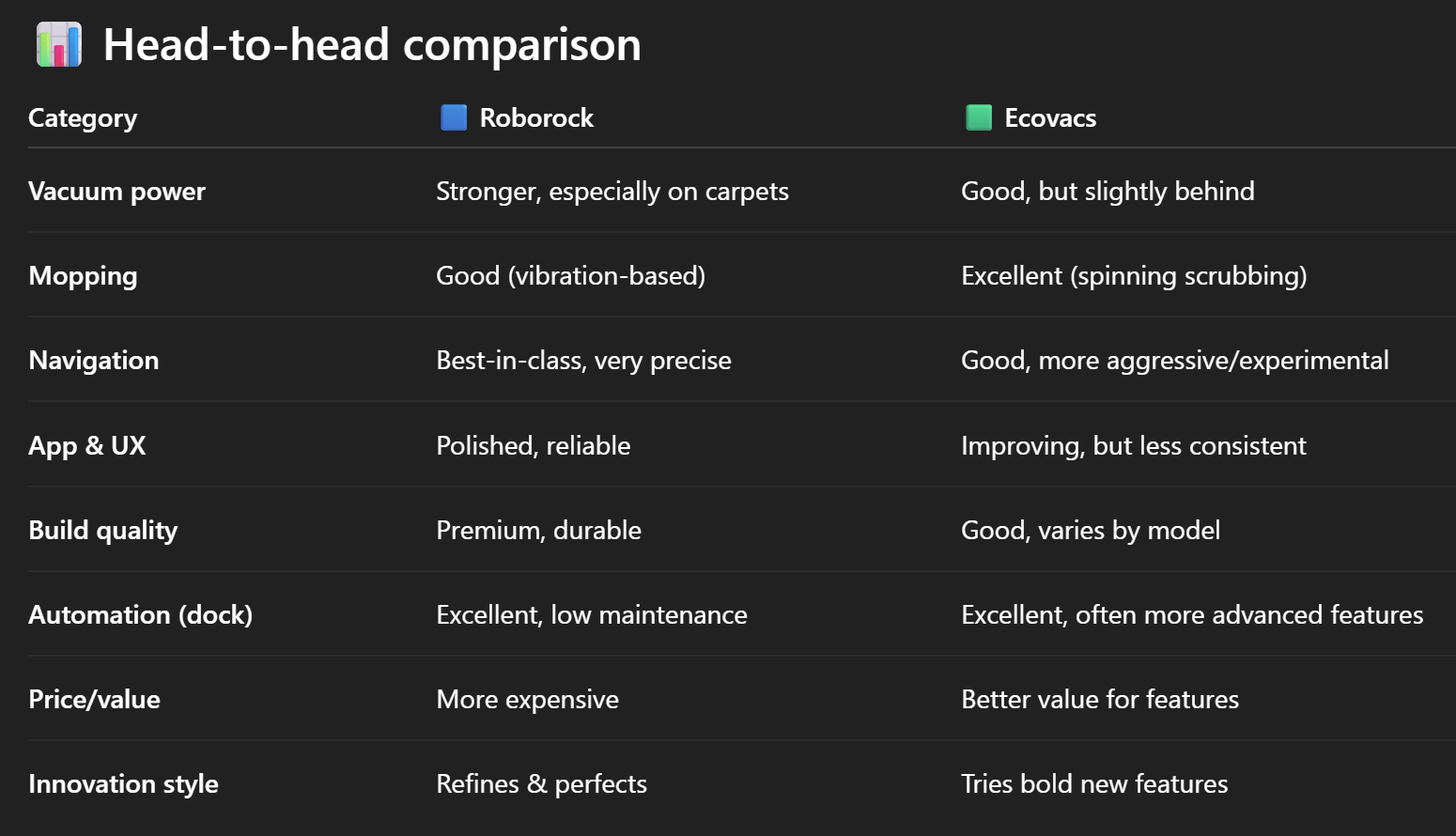
Despite this, analysts say iRobot’s brand equity remains powerful, built on decades of category leadership and more than 30 million units sold worldwide.
Also mounting a play in the Australian market is Narwal who had a strong presence at CES 2026 and whose products are now being ranged at various retailers.
From Pioneer to Turnaround Target
Founded in 1990 by MIT roboticists and credited with creating the robotic vacuum category with the launch of Roomba in 2002, iRobot is now attempting one of the most significant turnarounds in consumer tech.
A failed US$1.7 billion acquisition attempt by Amazon in 2024, blocked by regulators, triggered a cascade of financial and operational challenges. The company posted a US$305 million loss in 2023, followed by even deeper losses in 2024 and 2025, alongside multiple rounds of layoffs.
The January 2026 acquisition by Picea Robotics ended iRobot’s 36-year run as an independent company.
High Stakes for New Owners
Now, the pressure is on Picea.
The key question: how much capital and strategic muscle the Chinese manufacturer is willing to deploy to revive a fallen giant.
With deep manufacturing expertise and established relationships across the industry, Picea has the capability to reposition iRobot—but success is far from guaranteed.
In Australia, where brand loyalty is fragmented and consumers increasingly prioritise performance over legacy, competitors like Roborock are already setting the pace.
Even Ecovacs, once dominant locally, is under strain—recently cutting ties with its Australian PR agency as competition intensifies.
Battle for Control
What was once a category defined by a single innovator has become a high-stakes global turf war.
And with iRobot re-entering the fight under new ownership, Australia is shaping up as one of the key battlegrounds.
The next phase of the robot vacuum wars has begun.