Intel’s 2027 Laptop Chip Plans Leak, With Moon Lake And Wildcat Lake Refresh On The Way
 Dominic Bayley
05 Nov 2026
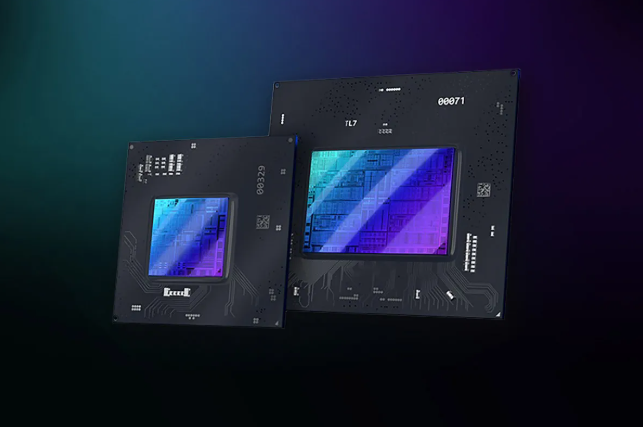
Intel is reportedly preparing two new laptop processor families for 2027, with Moon Lake and Wildcat Lake Refresh expected to target different segments of the Windows laptop market.
According to hardware leaker Jaykihn, Wildcat Lake Refresh could arrive in the second quarter of 2027, followed by Moon Lake in the fourth quarter.
However, despite its later release, Moon Lake is expected to prioritise power efficiency rather than outright performance, potentially making it suitable for affordable laptops and ultra-thin devices.
Previous leaks suggest Moon Lake could feature up to four Darkmont low-power efficiency cores, without traditional performance cores.
The processors are also rumoured to operate at around 6W, potentially allowing manufacturers to develop fanless laptops with improved battery life and quieter operation.
Wildcat Lake Refresh, meanwhile, is expected to offer considerably more processing power, with configurations featuring up to four performance cores and four low-power efficiency cores.
The reported specifications would double the performance-core count compared with the existing Wildcat Lake family, potentially making the refreshed processors more attractive for mainstream and business laptops.
Intel is also reportedly considering vPro support and configurable power limits of up to 35W, giving manufacturers greater flexibility when designing devices for different performance requirements.
The two processor families could also use different manufacturing technologies.
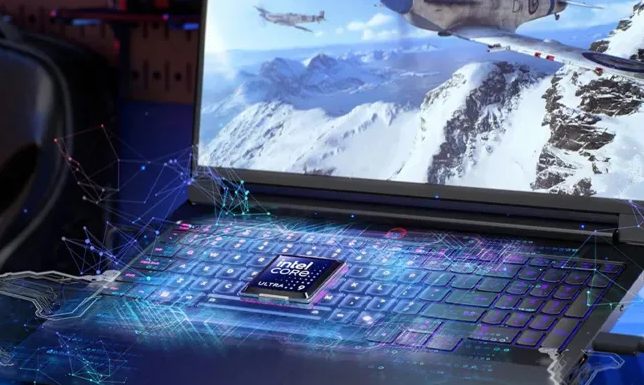
Wildcat Lake Refresh is tipped to feature a compute tile manufactured using Intel’s improved 18A-P process, while Moon Lake is expected to use the standard 18A process.
Beyond these chips, Intel is developing its next-generation Nova Lake architecture, which is expected to power future desktop and high-performance laptop processors.
Some desktop variants could feature larger cache configurations designed to compete with AMD’s Ryzen X3D processors, while Nova Lake-HX is rumoured to appear under Intel’s Core Ultra 4000-series branding.
Another project, Razor Lake-AX, is reportedly focused on delivering more powerful integrated graphics, although its future in consumer laptops remains uncertain.
Intel could also revive its older Raptor Lake-HX architecture under Core 2000 HX branding, potentially adding further complexity to its processor line-up.
For consumers, the expanding range of architectures and product names could make choosing a Windows laptop increasingly confusing, particularly as newer branding may not always indicate newer technology or better performance.
Intel has not officially confirmed the reported specifications or release schedules for Moon Lake and Wildcat Lake Refresh, meaning the details remain subject to change.