Insurance Costs Surge For Ships Crossing Strait Of Hormuz
 April Ossington
17 Mar 2026
April Ossington
17 Mar 2026

Insurance coverage for vessels travelling through the Strait of Hormuz is still available, but the price of protection has increased sharply as tensions in the region escalate.
People familiar with the shipping insurance market say premiums for transiting the strategic waterway have climbed to around 5 per cent of a vessel’s value. This represents a dramatic increase compared with earlier stages of the conflict involving Iran and is significantly higher than the small fractions of a percentage point typically seen during periods of relative stability.
At those levels, insuring an oil tanker valued at A$153 million would cost roughly A$7.65 million for a single voyage through the strait.
Despite the steep costs, the availability of insurance suggests that ships can still technically operate in the region. The larger question now facing ship owners is whether they are willing to risk sailing through an area where security threats remain high.
The Strait of Hormuz is one of the world’s most important maritime routes. Under normal conditions it carries around 20 per cent of global oil and liquefied natural gas shipments, making disruptions to traffic a major concern for international energy markets.
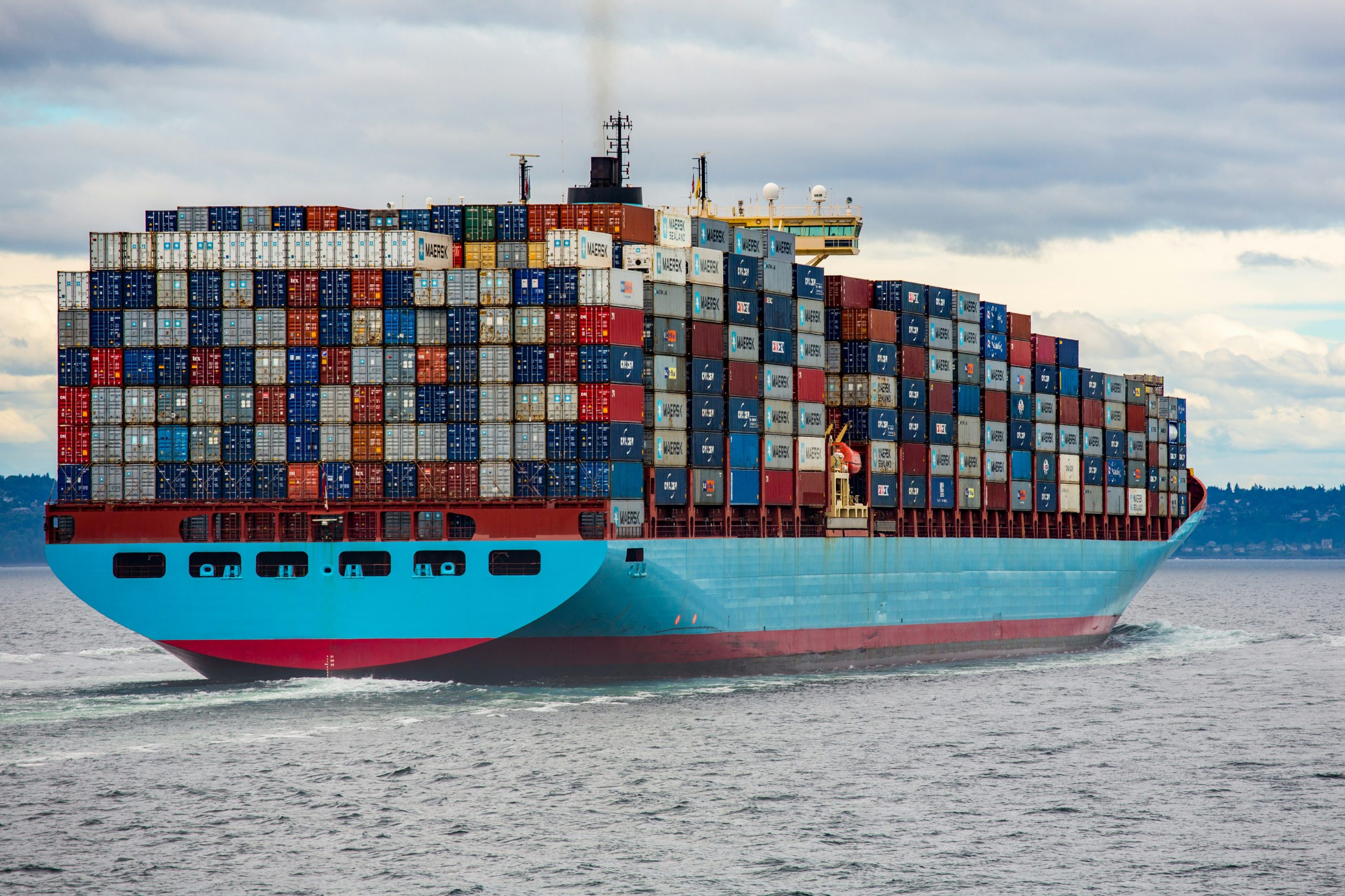
Political leaders have also addressed the challenges of reopening the route to normal shipping. When asked why the United States could not immediately restore operations in the strait if Iranian mine-laying vessels were neutralised, US President Donald Trump said commercial operators must still be prepared to sail through the waterway for trade to resume fully.
At the same time, Washington has proposed financial measures to support maritime activity in the region. The US International Development Finance Corporation is expected to play a role in a A$30.6 billion reinsurance programme designed to help restore tanker traffic through the strait.
Insurers have indicated interest in working with the agency to provide additional coverage for vessels operating in the region. However, further details about how the programme will function have yet to be fully clarified.
The United States has also encouraged allied nations to contribute to efforts aimed at securing the shipping lane, though some partners have reportedly been hesitant to become directly involved.
Insurance quotes are currently being offered primarily for vessels connected to companies in China, India and Pakistan, according to sources in the industry.
Insurers in the London market maintain that cover remains accessible for ships operating in Middle Eastern waters and insist that insurance availability itself is not preventing trade from continuing.
Security concerns in the region remain significant. The UK Maritime Trade Operations Centre estimates that at least 20 vessels have been involved in security-related incidents in or near the Persian Gulf since early March.
One of the latest incidents occurred on March 12 when a container ship was struck, sparking a fire on board. The event highlights the ongoing risks facing ships that travel through the region as tensions remain elevated.