Apple Scraps Cheaper Vision Pro As Focus Shifts To AI Glasses
 Joe Gallop
13 Jul 2026
Joe Gallop
13 Jul 2026
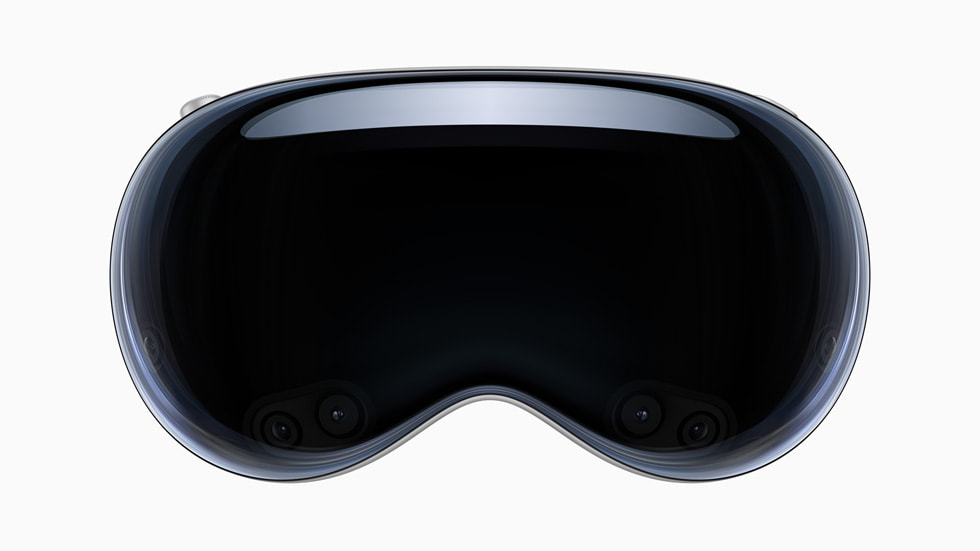
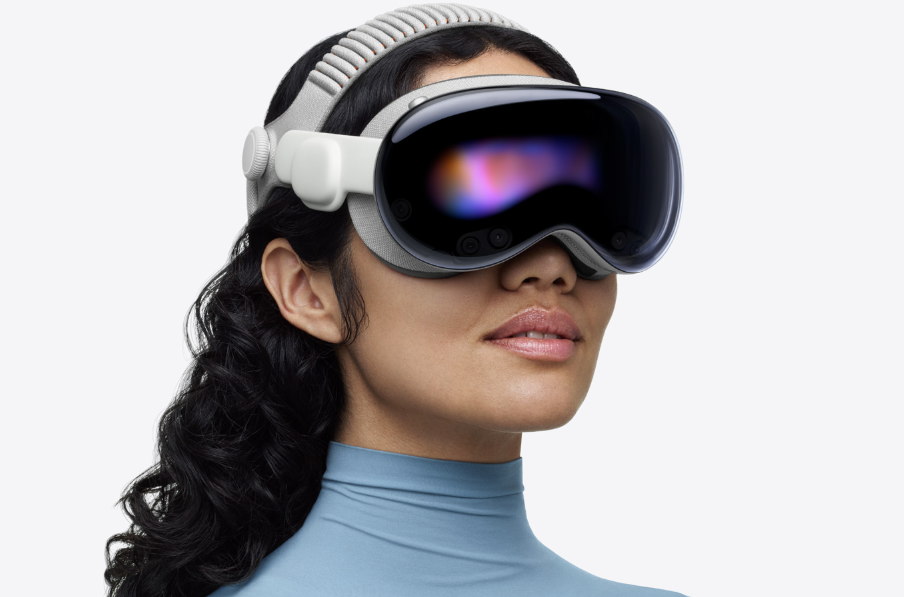
Apple has reportedly halted development of a lower-cost Vision Pro successor, with Samsung Display preparing to shut down a display project intended to make the headset cheaper and lighter.
According to South Korean publication The Elec, Samsung Display will formally end its ‘G-VR’ project in September after Apple shifted resources away from affordable extended reality headsets and towards AI-powered smart glasses.
The project centred on a glass-substrate micro-OLED panel that was considered a potential alternative to the expensive OLED-on-silicon displays used in the current Vision Pro.
Using glass instead of silicon could have substantially reduced manufacturing costs, potentially clearing one of the biggest obstacles to producing a more accessible Apple headset.
Samsung Display was reportedly developing panels with a pixel density of between 1,600 and 1,700 pixels per inch, around half the Vision Pro display’s reported 3,386PPI.
Mass production had originally been targeted for sometime after 2028, but work reportedly began winding down earlier this year.
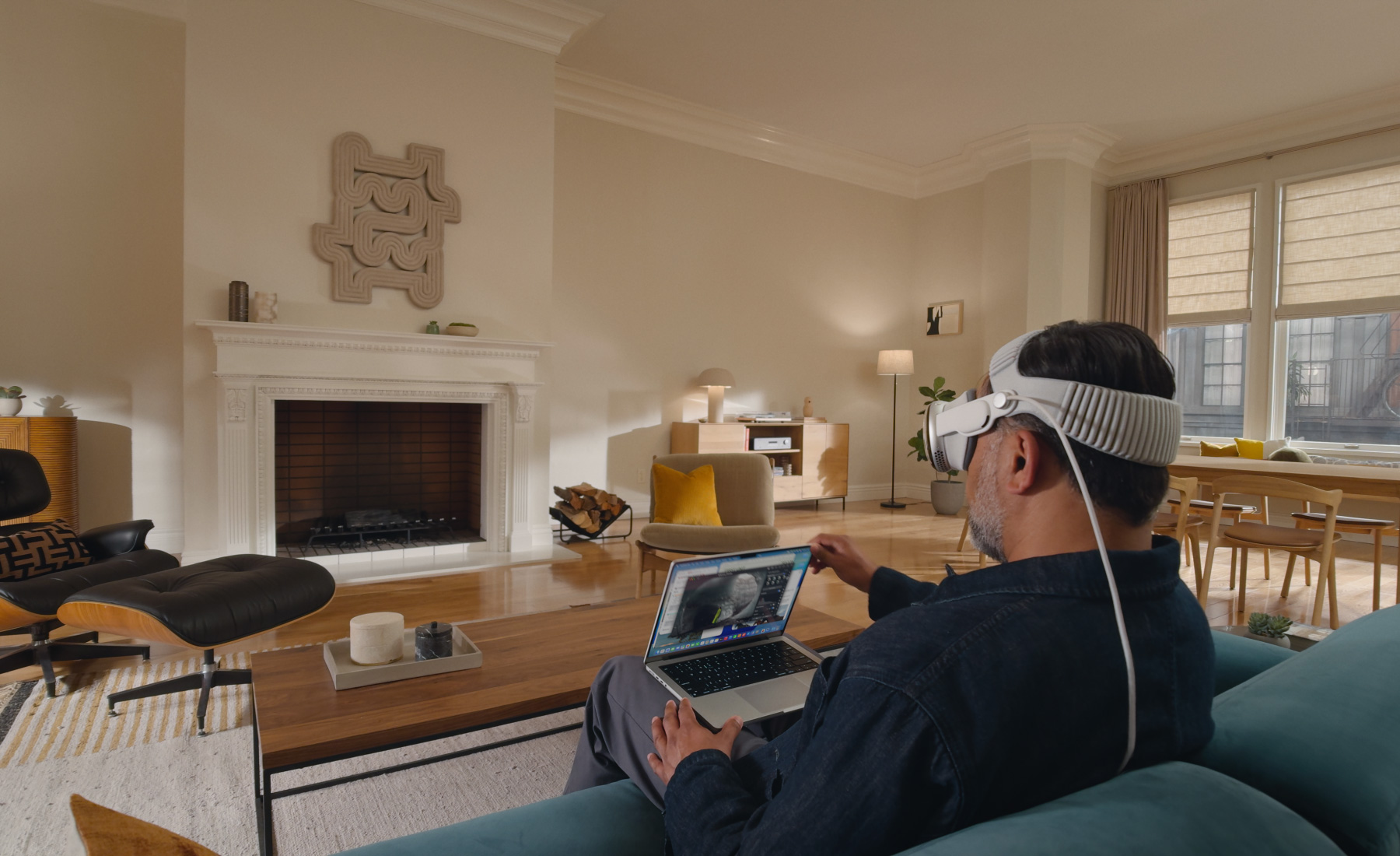
The Vision Pro launched in Australia in July 2024 with a hefty starting price of A$5,999, limiting its appeal largely to developers, businesses and early adopters. A cheaper and lighter model had long been viewed as Apple’s best chance of bringing its spatial computing platform to a broader market.
But Apple is now reportedly prioritising lighter AI smart glasses that would compete more directly with products from Meta, Google and Samsung.
Apple has not confirmed the cancellation, while Samsung Display has also not publicly commented on the project.
Samsung Display is not abandoning extended reality technology altogether. It is expected to continue developing OLED-on-silicon displays for Samsung Electronics’ own XR products, alongside next-generation RGB micro-OLED panels.
At the AWE USA 2026 conference in June, Samsung Display showcased a 1.3-inch RGB micro-OLED panel capable of reaching 40,000 nits of peak brightness. It also demonstrated smart glasses using a smaller 0.62-inch panel.
The reported cancellation adds to growing doubts that Apple will release a cheaper Vision Pro model in the foreseeable future.