Hisense E7Q Mini LED Packs 4,224 Zones and 7,000 Nits
 Isabella Alexiou
29 Sep 2025
Isabella Alexiou
29 Sep 2025
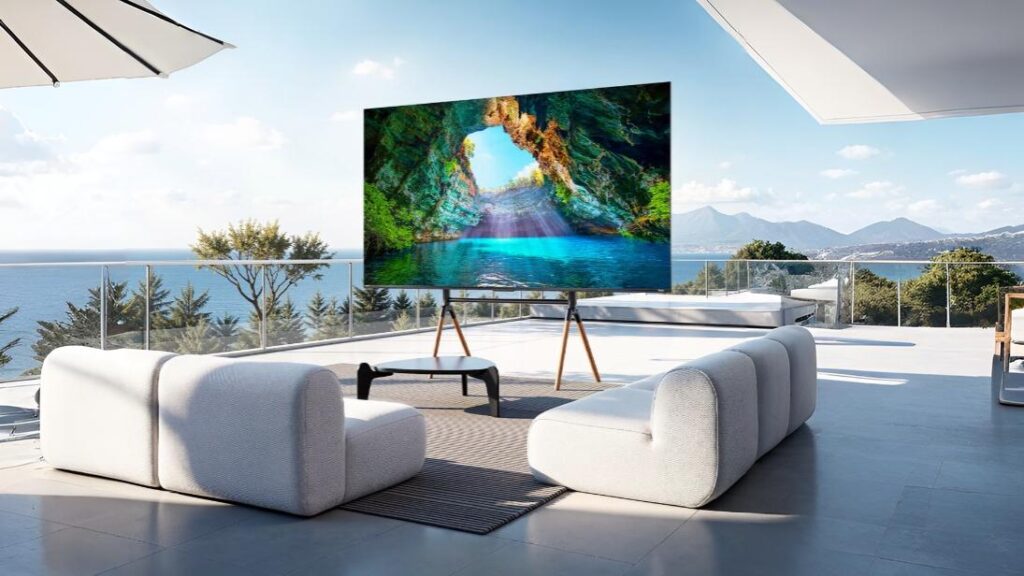
Hisense has announced the E7Q Mini LED TV, featuring 4,224 local dimming zones, 7,000 nits peak brightness, and a native 4K 170Hz refresh rate, with prices tipped to be around $2,500.
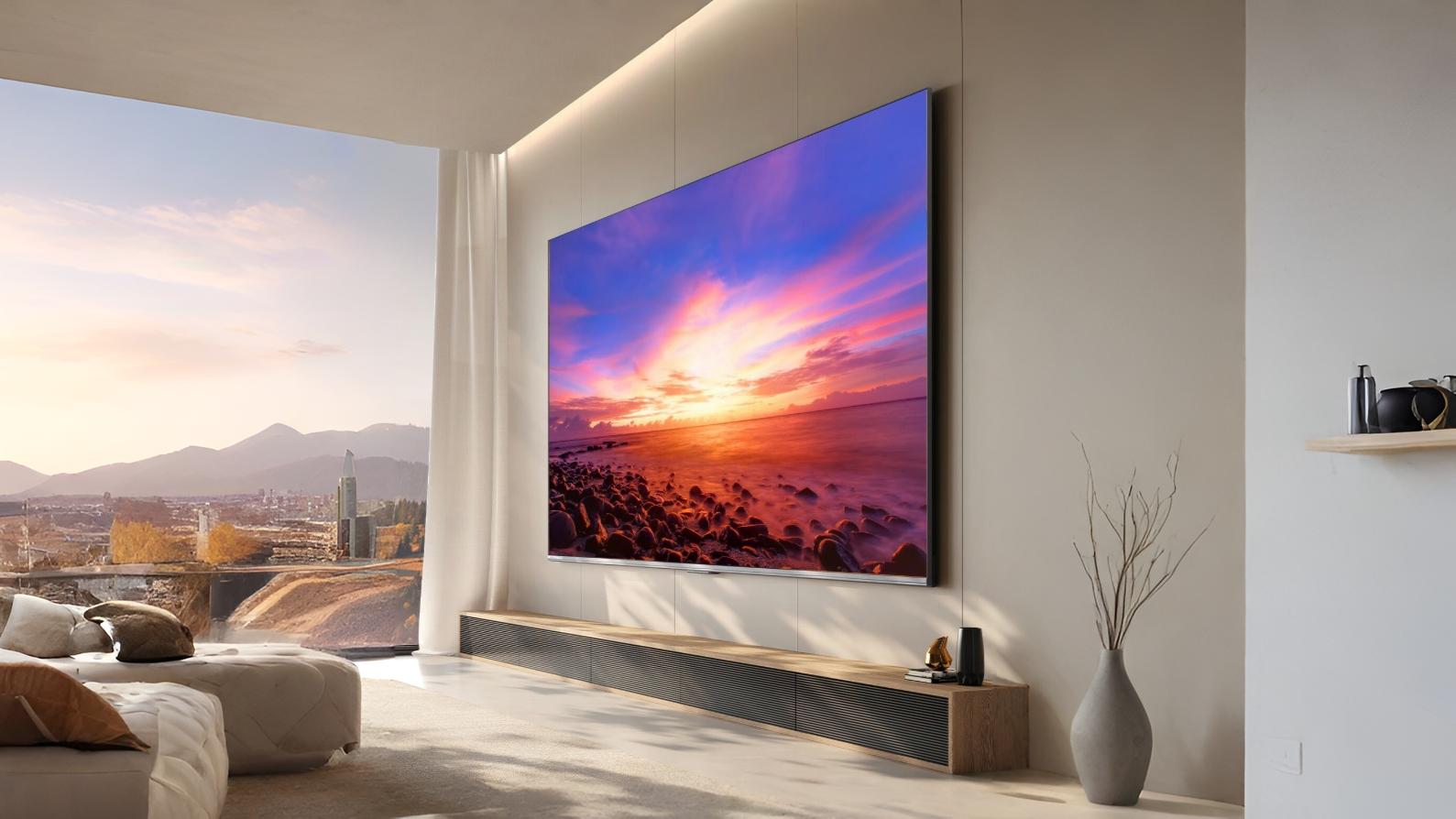
Available in 65, 75, 85, and 100-inch sizes, the E7Q combines Hisense’s U+ Mini LED panel technology with advanced processing and audio capabilities, positioning it as a flagship model in the increasingly competitive premium TV market.
The E7Q’s U+ Mini LED panel incorporates 4,224 local dimming zones for precise backlight control, supporting XDR Pro with up to 7,000 nits peak brightness.
Hisense claims the TV maintains 4,800 nits in sustained high-brightness scenes, addressing a common criticism of TVs that can’t sustain their peak specifications.
An Obsidian Screen Pro anti-reflective coating achieves 1.8% reflectivity, significantly reducing glare in bright room conditions.
The panel covers 98% of the DCI-P3 colour gamut and holds certifications for Pantone Validated, Dolby Vision IQ, HDR10+, and IMAX Enhanced.
Hisense’s Hi-View H6 Extreme Edition image processor provides 24-bit grayscale control and 16 times higher light precision than previous generations.
AI-powered features include scene detection, depth optimisation, 2K to 4K super-resolution upscaling, and adaptive tone mapping based on content type.
For gaming, the TV offers native 4K at 170Hz with system-level boost up to 330Hz, AMD FreeSync Premium Pro, VRR, ALLM, and Dolby Vision Gaming support.
These specifications target both console and PC gamers seeking high refresh rates and variable refresh rate technology.
The 2.1.2-channel audio system, tuned by French audio company Devialet, delivers 165W maximum output with bass extension down to 45Hz through a 3.4-litre sound cavity.
AI-driven enhancements improve voice clarity for dialogue-heavy content.
Running on a MediaTek MT9655 12nm chipset with 4GB RAM and 128GB storage, the TV includes comprehensive connectivity, HDMI 2.1 (48Gbps), USB 3.0/2.0, optical audio, Ethernet, Wi-Fi 6, and Bluetooth 5.4.
The custom Hisense platform features a 4K interface, voice assistant, multi-screen casting, and NAS cloud integration.
While the E7Q launches initially in China from $1,680, Australian availability remains unconfirmed.
Hisense typically brings flagship models to Australia 3-6 months after Chinese release, often with different model numbers and specifications.
Based on current Australian pricing, the E7Q would likely position as follows:
- 65-inch: $2,500-3,000
- 75-inch: $3,500-4,000
- 85-inch: $5,000-6,000
- 100-inch: $8,000-10,000
These estimates account for import costs, GST, and typical Australian market premiums for premium TVs.
The E7Q enters an increasingly crowded Mini LED market. Haier recently launched its S90 100-inch 4K QLED TV with Dolby Atmos and FreeSync Premium Pro, while Xiaomi introduced the TV S Pro Mini LED Series 2026 with 4K HDR and Dolby Vision.
In Australia, the E7Q would compete with:
- Samsung QN900D Neo QLED (8K, fewer zones but available locally)
- TCL X955 (Mini LED, QD coating, established presence)
- Sony X95L (Mini LED, superior processing, premium pricing)
The 4,224 zones represent aggressive zone count marketing, though real-world performance depends on algorithm implementation.
The 7,000 nits peak brightness claim is exceptional if accurate, potentially surpassing current flagships from Samsung and Sony.
The 170Hz native refresh rate at 4K resolution positions the E7Q competitively for gaming, though the “330Hz system boost” likely refers to motion interpolation rather than actual frame delivery.
For Australian consumers awaiting local release, the E7Q’s specifications suggest Hisense is serious about competing with established premium brands, though actual performance and local pricing will determine its market success.