Government Abolishes 500 Tariffs to Cut Business Red Tape by $157m
 Isabella Alexiou
28 Aug 2025
Isabella Alexiou
28 Aug 2025
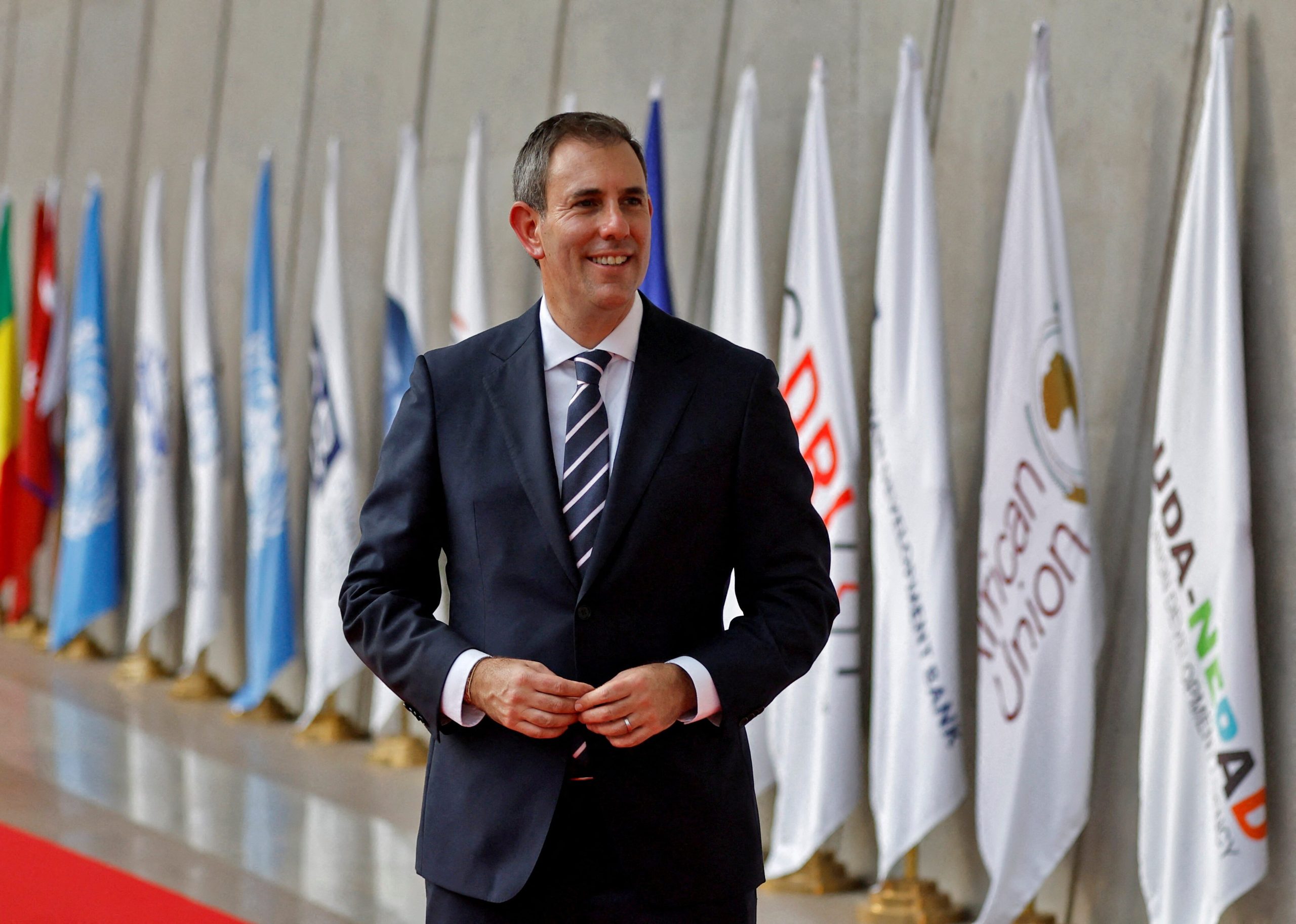
Treasurer Jim Chalmers has announced the abolition of almost 500 additional “nuisance tariffs,” streamlining $23 billion worth of trade and saving Australian businesses $157 million annually in compliance costs.
The tariff elimination represents the government’s second major reduction effort, following the removal of 457 tariffs last year.
Chalmers said Treasury would publish the complete list of abolished tariffs on Thursday, describing the initiative as part of a renewed push to reduce regulatory red tape.
Nuisance tariffs are defined as import duties that generate minimal revenue, provide negligible benefits to domestic producers, but impose significant compliance burdens on businesses.
These tariffs typically cost more to administer than the revenue they produce and are usually levied at no more than 2%.
The latest round of abolished tariffs includes duties on televisions, which generated less than $43,000 in annual revenue despite covering imports worth over $1.4 billion.
Removing these tariffs will save businesses more than $13 million yearly in compliance costs.
Air conditioner tariffs, covering imports worth over $58 million annually, raised less than $100,000 in revenue while imposing significant administrative burdens.
Their abolition will save businesses over $504,000 in annual compliance costs.
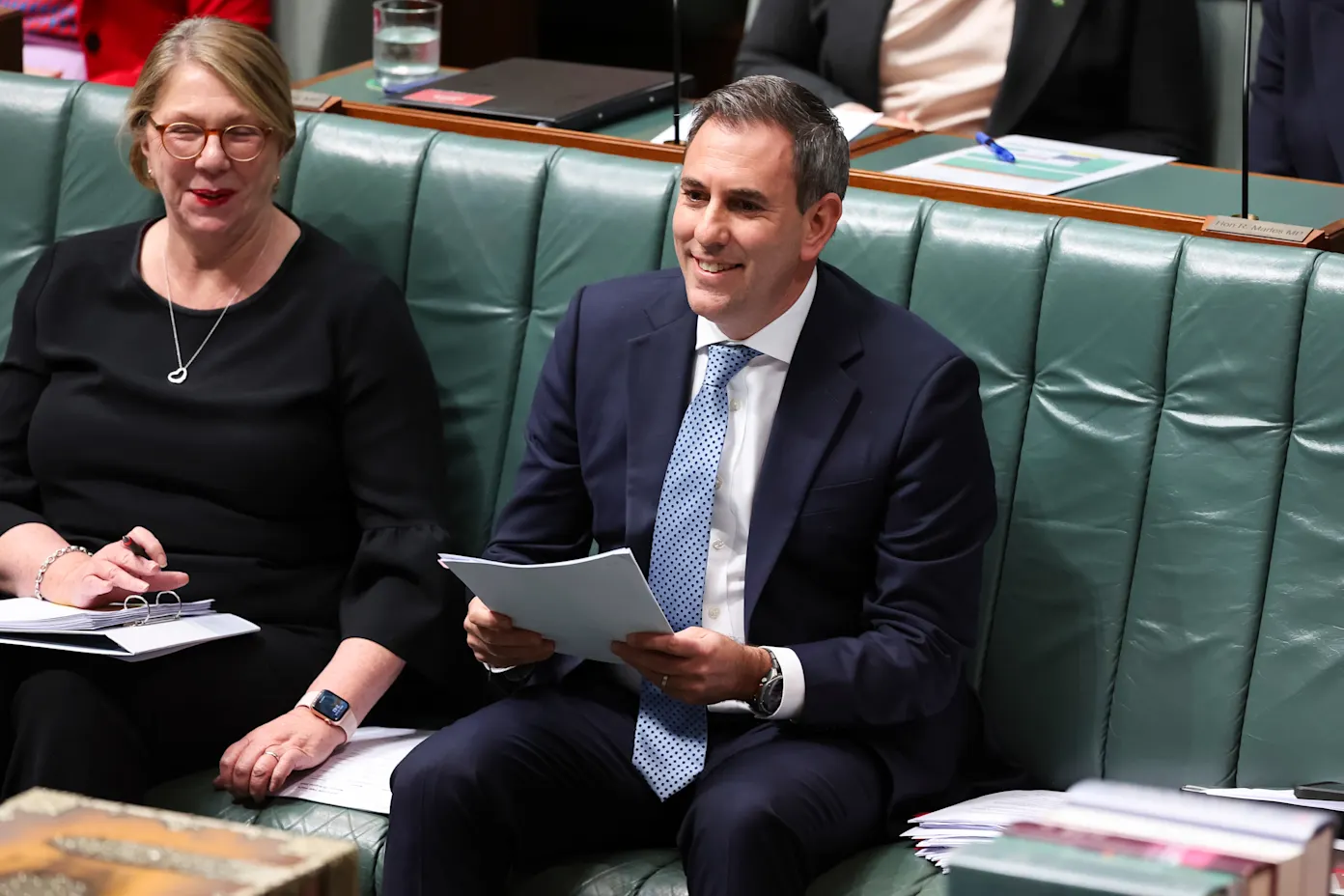
Other affected products span hundreds of imported goods, including tampons, dodgem cars, toothbrushes, chopsticks, power tools, and white goods appliances.
Trade Minister Don Farrell said the tariff reductions demonstrate Australia’s commitment to international free trade principles.
“We want countries to remove tariff barriers, because the way to greater prosperity for our citizens is through fee-free and fair trade. We’re demonstrating to the rest of the world that we’re serious about this issue,” Farrell stated.
The announcement follows Chalmers’ pledge at last week’s Economic Reform Roundtable to continue eliminating unnecessary regulatory burdens on Australian businesses.
Industry Minister Tim Ayres announced that responsibility for protecting Australia from sudden import surges would transfer from the Productivity Commission to the Anti-Dumping Commission, consolidating trade protection functions under a single agency.
While the tariff eliminations will reduce compliance costs for importers and businesses, officials noted that consumer prices are unlikely to change significantly given the minimal nature of these duties.
The primary benefit lies in reducing administrative burden rather than lowering product costs for end users.
The tariff cuts align with the government’s broader economic reform agenda focused on improving business productivity and reducing unnecessary regulatory complexity across multiple sectors.