Exposed: Is Telstra’s Current Management Fit For Purpose After They Ignored Six Years Of Warnings Before $30K Server Took Down National Network
 David Richards
17 Jul 2026
David Richards
17 Jul 2026

Telstra management have been exposed at a Federal Senate hearing as having ignored six years of manufacturer warnings, failed to document critical network changes and relied on a crowd-sourced website to discover the extent of their own national network crash, raising serious questions as to whether the carrier’s senior executives are fit to run the communications network that Australia depends on.
The admissions, dragged out of six Telstra executives at today’s hearing into the recent nationwide network failure, reveal that the outage which at its peak knocked out 45% of all calls and data sessions on the Telstra mobile network was entirely avoidable, and was caused by a $30,000 server whose firmware update had been flagged by the manufacturer as far back as 2020, again in 2022, and again in January this year. It was never applied.
CEO Vicki Brady and CFO Michael Acland now appear to be hiding behind the guise of “independent” investigators, hand-picked by and working alongside Telstra management, rather than admitting that the network was brought down on their watch by executives who failed to do their jobs properly.
The Clearest Concession Yet: It Was Avoidable
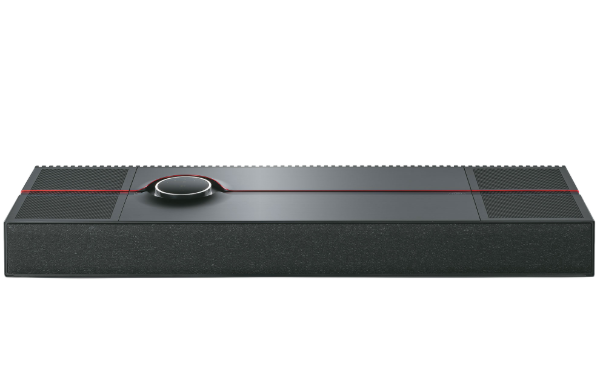
Telstra confirmed the failed device was an SSU 2000 manufactured by Symmetricom, now Microchip, a piece of hardware costing around $30,000.
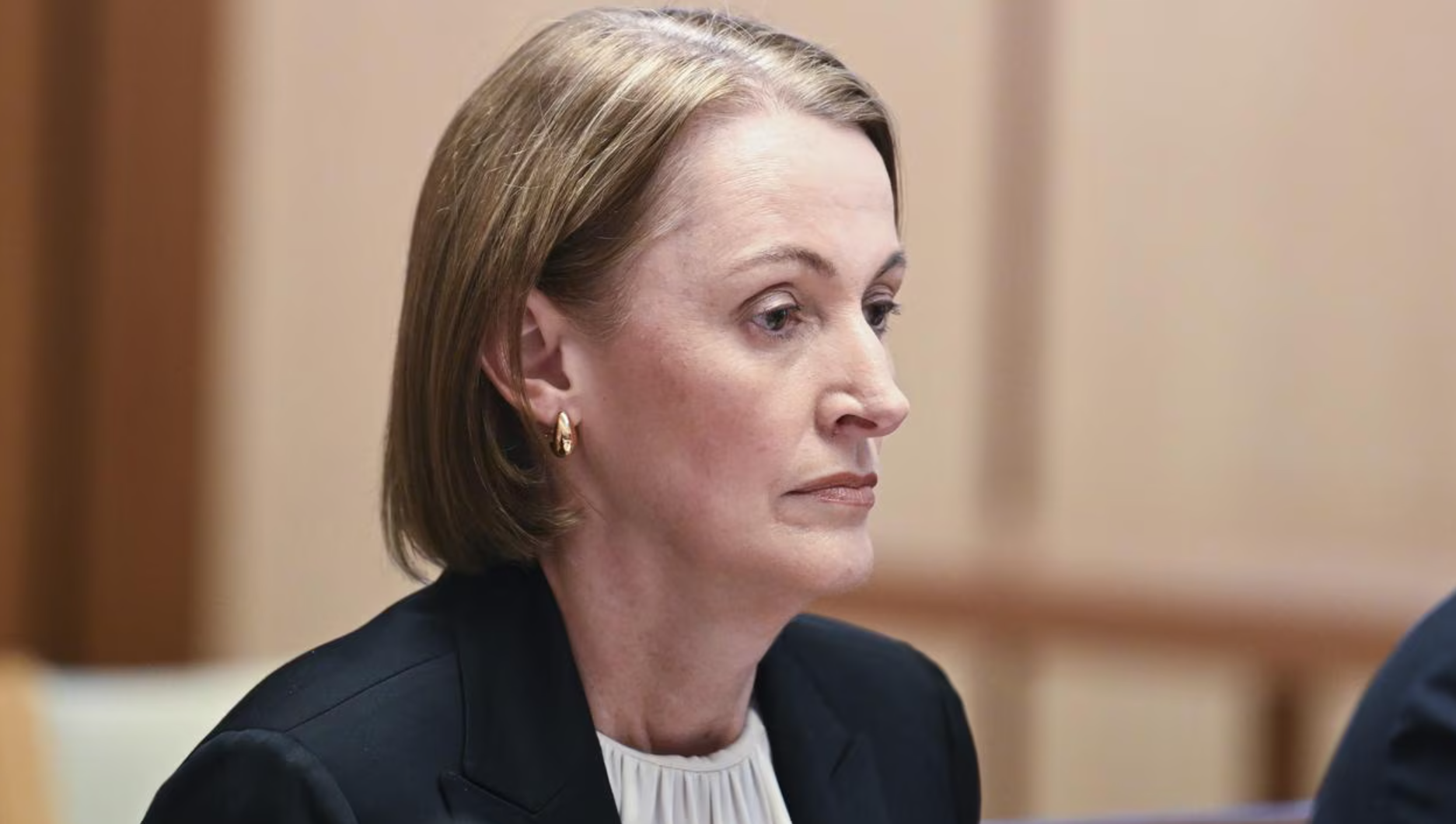
Telstra CEO Vicky Brady at today’s Senate hearing
Technical executive Gerard Tracey told the committee that newer hardware “operating in the same design that we intended to” would have meant “the issue wouldn’t have happened”, the clearest concession yet that the outage need never have occurred.
In its own submission, Telstra conceded: “Had that software update been completed or had the design change been properly reviewed and documented post the earlier incident, and reflected in the maintenance procedure, the outage may not have occurred.”
The company rejected suggestions that outsourcing was to blame, confirming the maintenance work was carried out by its own internal Melbourne team, with no staff cuts involved. In other words, this was not a contractor problem. It was a Telstra management problem.
Monitoring Their Own Network Via DownDetector
In another shocking admission, Telstra executives revealed the company relies in part on the crowd-sourced outage website DownDetector.com.au and social media chatter to detect problems on its own network.
Asked how Telstra was first alerted to customer issues in the early hours of Wednesday last week, Tracey, the group owner of end-to-end service performance and resilience, said: “We do monitor the down detector, which is a social media based analysis, and we received an alert of an uptick of Telstra being mentioned in social media. That was a key indication. We did have an alert when we hit 100 reports on social media.”
He made no reference to whether Telstra was actually able to track traffic volumes on its own 4G and 5G networks, an extraordinary position for the operator of the nation’s largest mobile network.
Marking Their Own Homework
Brady defended Telstra’s decision to lead the investigation into its own failure internally, rather than commissioning a fully external review as Optus did after its outage last year.
“We’re conducting our investigation, and then we have appointed an external expert to work with us. This is a particularly detailed technical issue, and we need very specific expertise to help us understand exactly what’s happened,” she said.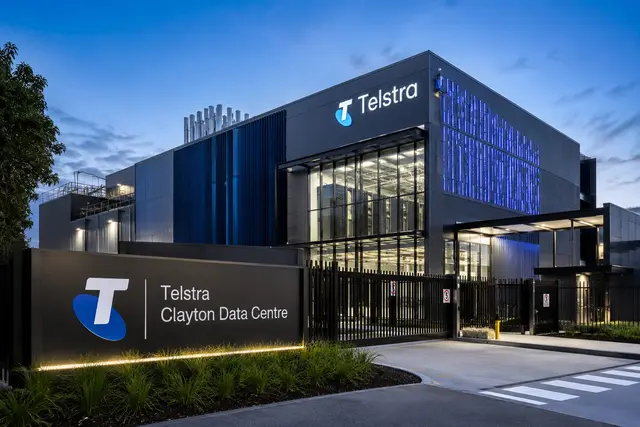
Pressed on whether an investigation led by Telstra could genuinely examine the internal cultural failures behind the outage, Brady claimed the external experts “will work through technically what happened” and would probe “why processes weren’t documented, why choices were made not to update software”.
Left unanswered was the obvious question: why should the same management team whose undocumented changes and ignored warnings caused the crash be trusted to steer the inquiry into it?
Outages Rising, Excuses Ready
Greens senator and committee chair Sarah Hanson-Young confronted Brady with statistics showing outages on the Telstra network climbing from 3,641 reported instances in 2024 to 5,221 in 2025.
Brady blamed weather, saying “certain things in a year can affect it” and pointing to cyclones and bushfires. “The single biggest cause of outages on our network relates to power,” she said, before pivoting to Telstra’s investment in network “resilience” over the past 12 months.
Hanson-Young was having none of it. “Last week proves that to be an absolute furphy, Ms Brady,” she said. “Since September last year, all of the warning signs were there, and I remember having you and your representatives before this committee, knowing that Optus had had this terrible outage, and you’re all pretty smug about it. ‘Oh, that’s an Optus problem’. Well, I’m sorry, today we see it’s not an Optus problem, it’s also a Telstra problem.”
Triple Zero Failures Telstra Cannot Even Count
Perhaps most disturbing of all, Telstra conceded it has no way of knowing whether medical alert devices that failed to reach Triple Zero during the outage went unnoticed, because its welfare-check process only covers calls that were initiated and then failed. Devices that never got a call away at all are invisible to the carrier.
The company now faces an Australian Communications and Media Authority investigation into its Triple Zero performance, a probe that carries fines of up to $30 million per breach.
Brady confirmed Telstra has written to 8.8 million consumer and small business customers but ruled out automatic blanket compensation, saying most payouts will likely come as bill credits rather than cash. She called for the universal service obligation to be “modernised” but stopped short of committing to binding reliability standards for mobile services.
How It Unfolded
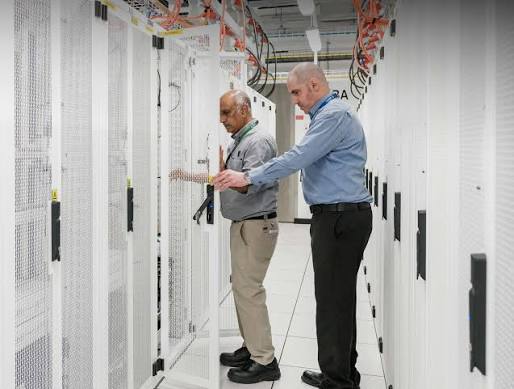
Telstra’s submission lays out the timeline. Just before midnight on Tuesday July 7, a technician arrived at a Telstra facility in Exhibition Street, Melbourne to replace the physical frame for a server. The frame was replaced by 3.38am on Wednesday and power was restored.
At 4.20am, technical staff noticed a “small increase in call failures”. Within 20 minutes a banner went up on the Telstra website, and by 4.47am a major incident management team call had been convened.
The office of Communications Minister Anika Wells was alerted at 6.44am, the Australian Signals Directorate at 6.53am, the Prime Minister’s office at 7.02am and the Triple Zero Custodian at 7.13am.
Wells has warned Telstra will “face the music” and that the government would hold its leaders’ “feet to the fire so they feel your pain”. On today’s evidence, the fire is only just getting started.
These timelines have also been challenged