Why Google wants to release more than 30 million mosquitoes
 April Ossington
02 Jun 2026
April Ossington
02 Jun 2026
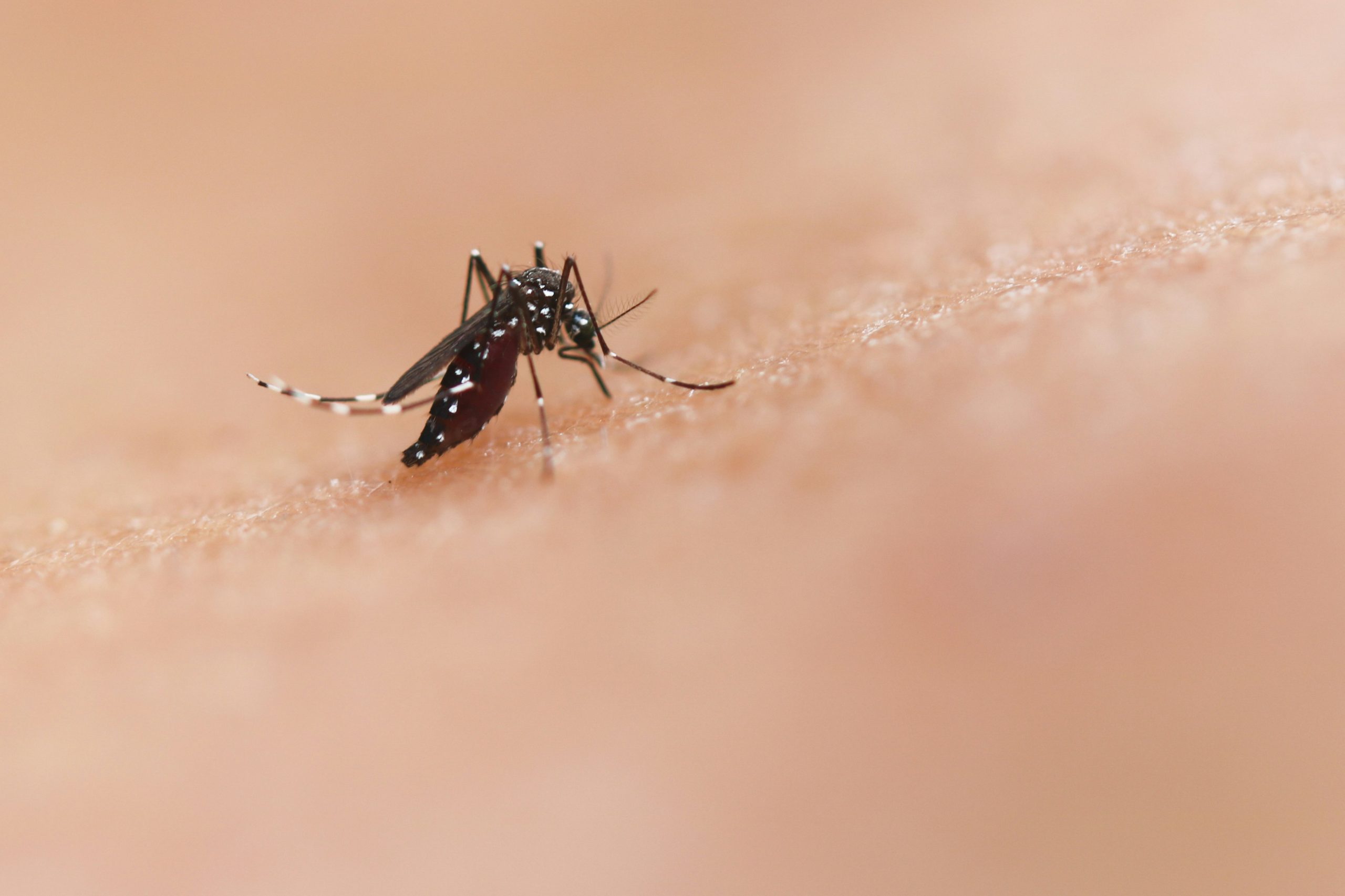
A mosquito control project supported by Alphabet, the parent company of Google, is seeking approval to release up to 32 million mosquitoes across parts of California and Florida as part of an effort to reduce the spread of mosquito-borne diseases, if it works the exercise could be performed in Australia.
The proposal, led by Alphabet subsidiary Verily through its Debug programme, focuses on controlling populations of Aedes aegypti mosquitoes, an invasive species known to transmit diseases including dengue, Zika, yellow fever and chikungunya. Rather than using chemicals or traps, the strategy relies on releasing male mosquitoes carrying Wolbachia, a naturally occurring bacterium that prevents viable offspring from being produced when they mate with wild females.
Supporters of the program point to previous trials in the United States, Australia and Singapore, where similar approaches have been used to reduce mosquito numbers. Public health experts note that mosquito-borne illnesses remain a significant concern, with West Nile virus alone responsible for around 120 deaths annually in the United States.
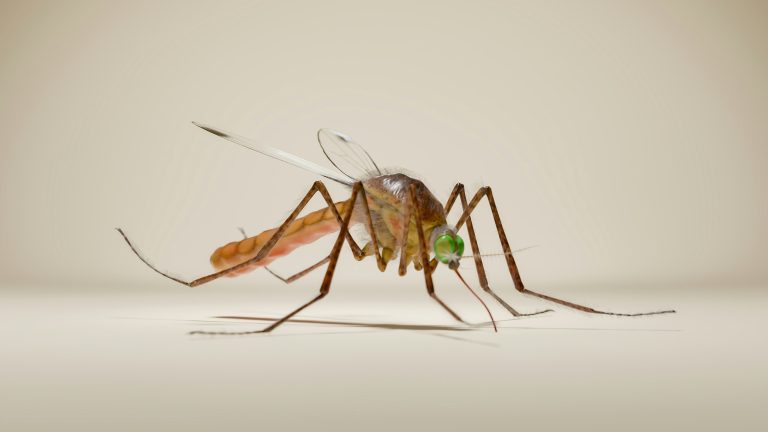
Photo by Zyanya Citlalli
However, the proposal has sparked debate about the long-term ecological consequences of intervening in insect populations. Critics argue that mosquitoes play a role in food chains and pollination, while supporters contend that the targeted species contributes little to local ecosystems because it is not native to North America.
If approved, the release would represent one of the largest mosquito population control programs undertaken in the United States. No timeline has yet been announced, and regulators will continue assessing the potential environmental impacts before any large-scale deployment proceeds.