Google Launches Pixel Tag To Challenge Apple AirTag And Samsung SmartTag
 Dominic Bayley
12 Nov 2026
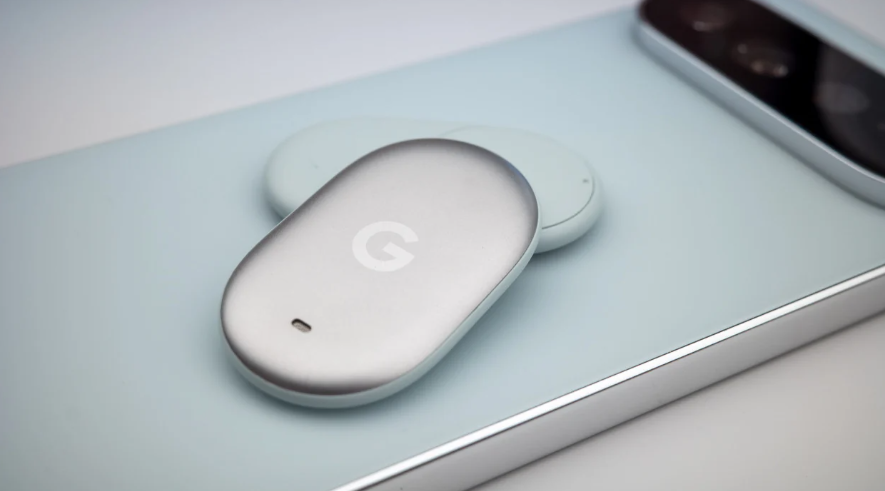
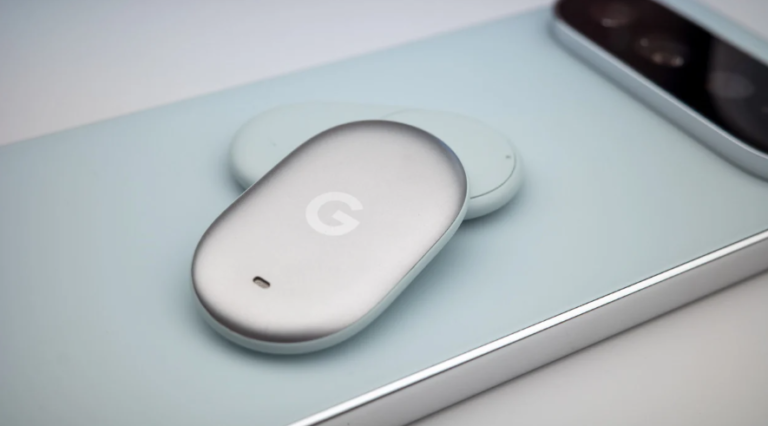
Google has entered the Bluetooth tracking market with the launch of its Pixel Tag, a compact device designed to help Android users find lost keys, wallets, luggage and other everyday belongings.
Available from November 11, the Pixel Tag is Google’s first official item tracker and competes directly with Apple’s AirTag and Samsung’s Galaxy SmartTag2.
Originally unveiled alongside the Pixel 11 smartphone series in August, the tracker is priced at $49 individually or $169 for a four-pack through the Google Store.
The Pixel Tag connects to Google’s Find Hub network, which uses more than one billion Android devices worldwide to help locate missing belongings.
When an item is out of Bluetooth range, nearby Android devices can anonymously detect the tracker and update its location, with Google using end-to-end encryption to protect location information.
For objects closer to home, Ultra Wideband technology provides precise directional guidance and distance measurements, helping users pinpoint misplaced items.
The tracker also supports Bluetooth Channel Sounding for distance guidance on compatible smartphones running Android 16 and Bluetooth 6.0 or later.
A built-in speaker allows users to trigger an audible alert, while a button on the Pixel Tag can ring a connected smartphone even when the phone is set to silent.
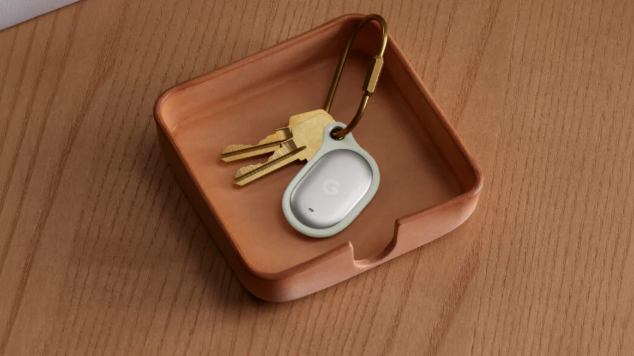
Google has designed the device to be slim and lightweight, measuring 28 x 46.1 x 5.4mm and weighing 11.8g with its battery installed.
Constructed from polycarbonate and metal, it comes in a Fog finish and carries an IP67 rating for dust and water resistance.
The tracker uses a replaceable CR2032 battery, with Google claiming more than 12 months of operation before a replacement is needed.
Additional features include optional Left Behind alerts, the ability to share a tracker’s location with up to 10 people, and support for locating items through a Pixel Watch or Gemini using compatible Pixel Buds.
Pairing is handled through Google’s Fast Pair system, with support for Android smartphones running version 9 or later.
The launch strengthens Google’s growing hardware ecosystem while giving Android users a first-party alternative to established Bluetooth trackers.