China Overtakes US in $121 Billion Mobile Gaming Market
 Emma Wheaton
12 Nov 2026

The US has lost its title as the dominant force in the global mobile gaming industry, with China and its blockbuster titles capturing a growing share of the US$121 billion market.
According to data from market intelligence firm Sensor Tower, Chinese publishers accounted for 40% of revenue generated by the world’s top 100 mobile games by mid-2026, compared with just 16.5% for US publishers. Just a couple of years ago, in early 2024, the two countries were virtually level.
China’s gaming industry is increasingly competitive. There, studios have developed business models with faster production cycles, lower operating costs and in-game monetisation strategies.
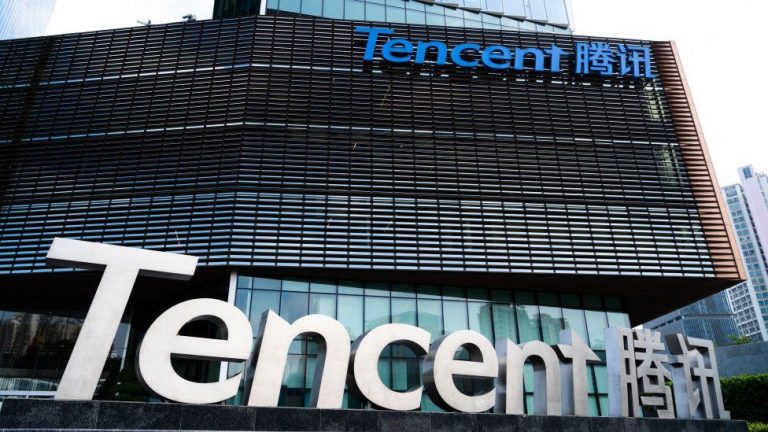
Tencent’s Honor of Kings has become one of the biggest commercial successes. The multiplayer online battle arena game generated an estimated US$1 billion in revenue during the first half of 2026 alone. Research firm Niko Partners estimates that the title has generated more than US$30 billion since its launch.
China-developed Whiteout Survival shows the country’s game developers’ ability to turn success into international commercial opportunities. Chinese mobile games now account for more than 18% of revenue from the top 100 mobile titles in the US, which is up from approximately 8% at the beginning of the decade.
All this is creating challenges for US developers, particularly smaller studios which are facing rising labour and production costs.
Yang Liu, co-founder of US-based End Game Interactive, told Bloomberg that American companies are finding it hard to compete internationally despite access to substantial investment capital. His company, which previously raised US$3 million following the success of Zombs Royale, is expanding its operations into Latin America to manage costs.

Century Games’ Whiteout Survival.
China’s success reaches beyond its big gaming companies. MiHoYo’s Genshin Impact has made approximately $6.2 billion from mobile players alone since its 2020 release.
Mobile gaming has become one of the fastest-growing segments of the entertainment industry and reaches billions of players worldwide.
Australia too is an important market in the industry, ranking 9th by mobile game revenue with local consumers spending more than A$1.7 billion on mobile games in 2025. However, while Australia has produced internationally successful titles such as Fruit Ninja and Crossy Road, its domestic development industry remains fairly small compared with the giants emerging from China and the US.
In China, developers have also proved effective at engaging an array of audiences, including female gamers via titles like Love and Deepspace, which features character-driven storytelling and optional in-game purchases.
US publishers are reportedly now exploring alternative business models, including those that have paid games and browser-based distribution, in an effort to cut back on the reliance on app stores and their fees.
The latest figures suggest that while US companies remain major players in gaming, Chinese studios are increasingly setting the pace.