Google Home App Adds Gemini AI for Conversational Smart Home Control
 Isabella Alexiou
23 Sep 2025
Isabella Alexiou
23 Sep 2025
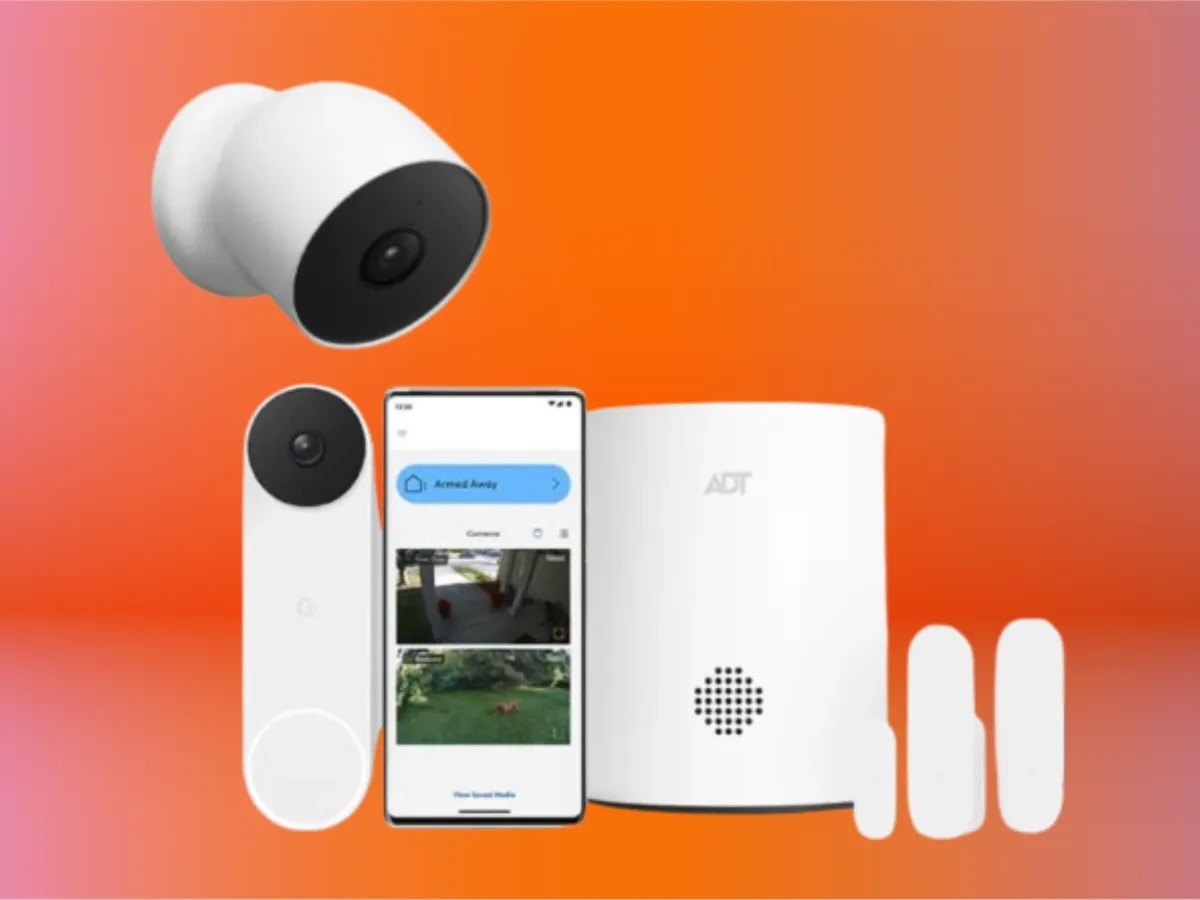
Google is redesigning its Home app with Gemini AI integration, transforming smart home control from script-based commands to conversational interactions, with early access rolling out from October 1.
According to Android Authority, the update centres on “Gemini for Home,” which replaces Assistant-style prompts with natural, multi-step requests that can control multiple devices simultaneously.
The redesign introduces several key modifications:
- Current “Favourites” tab renamed to “Home”
- New “Ask Home” bar at the top for typed or spoken commands
- Less cluttered grid layout
- Quicker access to common actions
- Enhanced camera integration for faster doorbell and security camera viewing
Users will be able to issue complex commands like “dim the living room to 30% and start winding-down playlist” in a single request, eliminating the need for multiple taps or separate commands.
The update builds on Google’s existing Gemini-Home connection, which already allows light, thermostat, and device control through the Gemini app.
The redesigned Home app extends this functionality with more intuitive controls particularly beneficial for users managing multiple devices including Nest displays, thermostats, and smart plugs.
For Australian consumers with Google Nest Hub (2nd gen) devices ($149), the tighter app integration should streamline routine management and device control.
The redesign coincides with rumoured refreshes of Nest cameras and doorbells, suggesting a broader ecosystem update.
The shift to conversational control represents a fundamental change in smart home interaction philosophy.
Rather than navigating through tiles and menus, users can speak or type requests as they would to another person, with Gemini interpreting context and managing multiple device actions.
This approach aligns with similar moves by competitors:
- Amazon’s Alexa developing more conversational capabilities
- Apple’s Siri improvements in HomeKit
- Samsung’s Bixby AI integration in SmartThings

Gemini for Home enters early access from October 1, though specific regional availability remains unconfirmed.
The feature requires:
- Updated Google Home app
- Compatible smart home devices
- Active internet connection for AI processing
Australian users typically receive Google feature updates within weeks of US releases, though server-side rollouts can vary.
The redesign positions Google to better compete in the increasingly AI-driven smart home market.
With Amazon developing Alexa AI and Apple enhancing Siri’s home capabilities, natural language control is becoming the expected standard rather than a premium feature.
For users building smart home systems, the update may influence device choice.
Google’s ecosystem offers competitive pricing with devices like:
- Nest Mini speaker ($79)
- Nest Hub (2nd gen) display ($149)
- Nest Doorbell Battery ($329)
- Nest Cam Battery ($299)
The redesign addresses common smart home frustrations:
- Reduced navigation complexity
- Faster access to security cameras
- Simplified multi-device control
- More intuitive routine creation
Users managing complex setups with multiple rooms and device types should see the most significant improvements, particularly when coordinating actions across different device categories.
While Google hasn’t detailed privacy changes, increased AI integration typically raises data processing questions.
Gemini’s conversational nature may require more contextual data analysis to interpret complex commands accurately.
Users concerned about privacy should review updated terms when the feature launches and consider whether enhanced functionality justifies potential increased data sharing.
The Google Home redesign with Gemini integration represents a significant evolution in smart home control, moving toward the long-promised vision of truly intelligent homes that understand natural language and user intent rather than requiring memorised commands and specific syntax.