Could Game Pass Kill Xbox?
 Joe Gallop
22 Jul 2026
Joe Gallop
22 Jul 2026

Microsoft’s Xbox Game Pass subscription service could ultimately threaten the future of Xbox unless its strategy is overhauled.
That’s according to prominent hardware leaker Moore’s Law Is Dead, who claims Game Pass has fallen well short of Microsoft’s original subscriber ambitions and argued the cost of placing major releases on the service from day one was becoming financially unsustainable.
Game Pass reportedly has about 30 million subscribers, below unconfirmed claims that Microsoft had once targeted more than 70 million.
The comments follow reports that some leaders at Microsoft-owned gaming studios believe Game Pass has devalued their titles by giving subscribers access for a relatively low monthly fee, potentially reducing full-price sales.
Bloomberg journalist Jason Schreier recently said on the Triple Click podcast that Game Pass was unlikely to disappear, but Microsoft could remove day-one access for some of its biggest releases.
Questions about the service’s future follow a turbulent period of pricing changes that damaged subscriber growth.
In October 2025, Microsoft increased Game Pass Ultimate in Australia from A$22.95 to A$35.95 a month, a rise of more than 50%, as it restructured the service into Essential, Premium and Ultimate tiers.
The increase prompted widespread backlash and reports of subscribers cancelling, with Ultimate costing more than A$430 a year.
Microsoft later acknowledged that the pricing and subscription-tier changes had hurt the business.
Xbox chief executive Asha Sharma reportedly told staff that growth had slowed and subscriber losses had accelerated following the increases.
Prices were subsequently reduced, with Ultimate falling from A$29.99 to A$22.99 a month in Australia and PC Game Pass dropping from A$16.49 to A$13.99. Sharma (pictured below) said acquisitions and retention had begun improving after the cuts, although the reductions did not fully reverse earlier increases.
Despite the criticism, Game Pass remains a significant source of recurring revenue for Xbox, with tens of millions of subscribers across its different membership tiers.
Microsoft has also continued investing in new content and expanding Game Pass across consoles, PCs, handheld devices and cloud gaming.

The debate comes amid a broader crisis across Microsoft’s gaming division. Xbox is cutting 3,200 jobs and offloading five studios as part of a major restructuring following its A$108 billion acquisition of Activision Blizzard.
The cuts, affecting about 20% of Xbox’s workforce, have triggered protests from Bethesda and ZeniMax union members, who accuse Microsoft of treating the redundancies as a “done deal”.
Xbox is also battling weakening hardware demand, with Microsoft reporting a 33% fall in console revenue during the March quarter, alongside declines in gaming content and services.
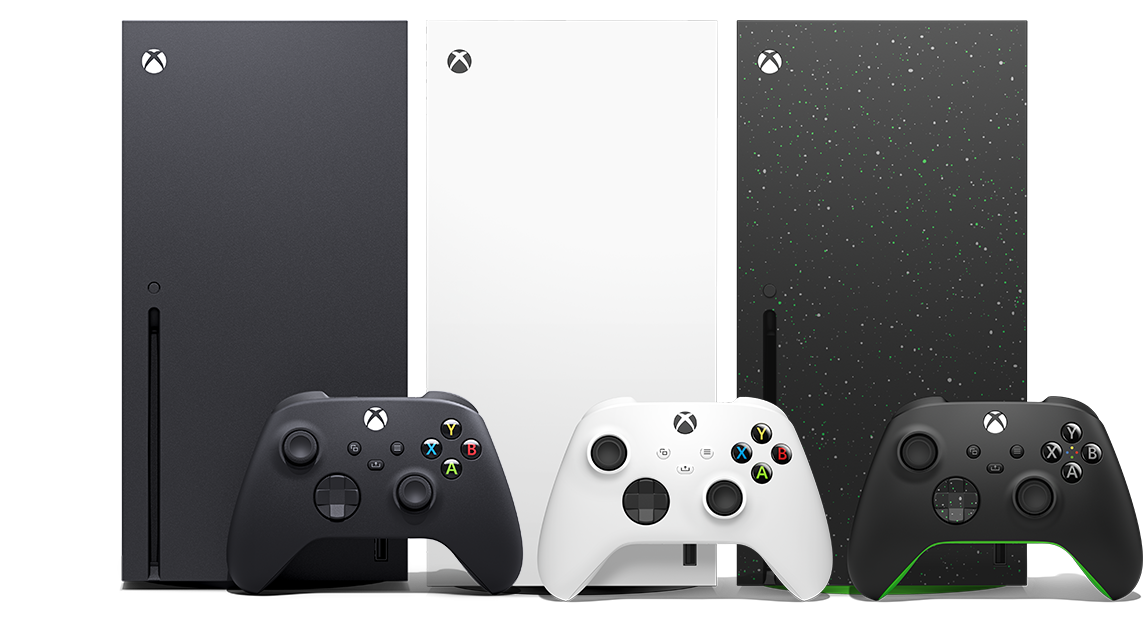
Microsoft has increased Xbox console prices three times since 2025, while also exploring a reported disc-to-digital system called Positron that could help players carry physical game libraries onto future disc-free hardware.
Moore’s Law Is Dead claimed Game Pass could “eventually kill Xbox” unless Sharma scales back the service.
But Microsoft has given no indication it plans to abandon Game Pass.
A more likely outcome would be fewer day-one launches, a more selective catalogue and further changes to pricing and subscription tiers as Xbox attempts to cut costs and restore growth.