Amazon Faces Jury Trial Over Prime Subs & Difficult Cancellation
 Nigel Bowen
23 Sep 2025
Nigel Bowen
23 Sep 2025
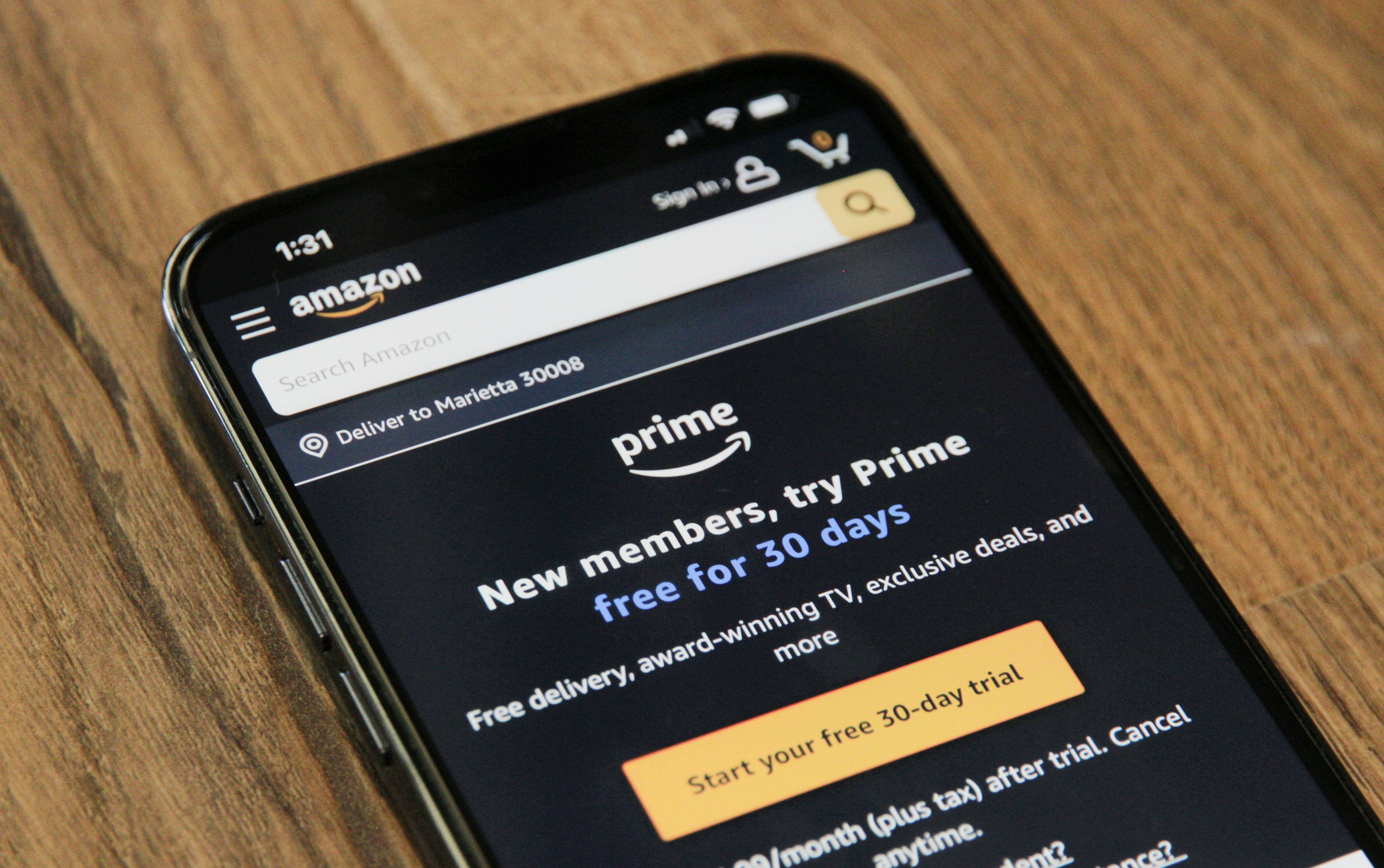
Amazon is set to face a month-long jury trial in Seattle over allegations it tricked millions of customers into joining Prime, its paid subscription service, and then made cancelling the service unreasonably difficult.
Jury selection begins Monday, followed by opening arguments, in the first major US trial against the company in recent years.
The Federal Trade Commission (FTC) alleges Amazon’s enrolment and cancellation systems violated consumer protection law.
Regulators say the company used dark patterns to steer users into Prime and then designed an obstacle course to quit.
Dark patterns are design tricks in apps or websites that deliberately confuse, nudge, or pressure people into choices they might not otherwise make.
The complaint cites Amazon’s failure to secure informed consent before charging customers.
It also accuses the company of dragging its feet on changes that would have made cancellation easier, but would have reduced Amazon’s revenue.
Amazon denies the claims. It says customers love Prime, and insists the service is easy to join or leave.
Businesses often make it much easier to start a subscription than to stop one
The FTC scored an early win when Judge John Chun ruled Amazon had already broken the law by taking billing details before disclosing key membership terms.
Chun also said two senior executives could be held personally liable if the FTC proves its case.
The judge further rebuked Amazon for withholding documents from investigators. He described the company’s tactics as “tantamount to bad faith”.
Under former chair Lina Khan, the FTC made reforming subscriptions a priority, proposing a ‘click-to-cancel’ rule.
An appeals court struck down that rule, but the agency has pressed forward with cases targeting subscription practices.
Current FTC chair Andrew Ferguson opposed the click-to-cancel rule as a commissioner but has continued the Prime lawsuit.
The FTC has also filed a case against Uber earlier this year, accusing it of making it too hard to cancel its Uber One subscription.
Amazon points out that it simplified Prime cancellations in Europe in 2022 after pressure from regulators. The company argues this shows its willingness to address concerns.
The trial is expected to highlight Amazon’s use of ambiguous buttons during the sign-up process and a multi-step cancellation process dubbed the ‘Iliad flow’.
It got that label because Amazon was seen to have made cancelling a subscription a lengthy, multi-step journey.
Jurors will hear claims that the company ignored internal warnings about consumer frustration.
A ruling against Amazon could force redesigns of Prime’s sign-up and cancellation flows.
It would also set a precedent for subscription businesses across retail, media and the gig economy.
But if Amazon wins, regulators may find it harder to pursue similar ‘dark patterns’ cases.
Either way, the verdict is likely to shape the future of how subscriptions operate in the US.