Global Smartphone Market Braces for Collapse Claims IDC as Memory Crisis Slams Industry
 David Richards
27 Feb 2026
David Richards
27 Feb 2026
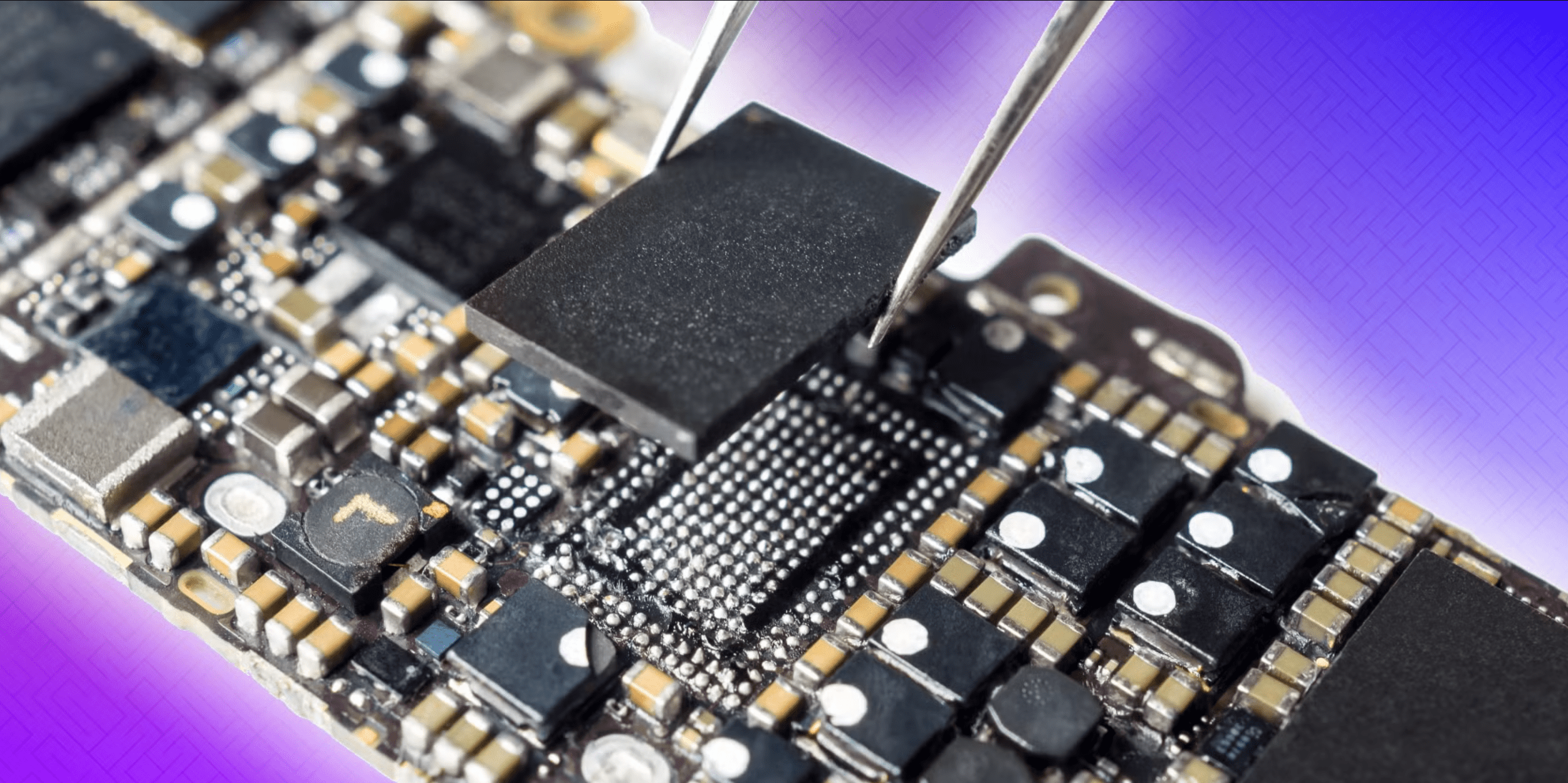
The global smartphone market is heading for a dramatic contraction in 2026, with leading research firm IDC forecasting a 12.9% plunge in shipments driven by an unprecedented global memory chip shortage.
IDC now expects total mobile shipments to fall to roughly 1.1 billion units in 2026, down sharply from 1.26 billion the previous year — wiping out years of gradual recovery and triggering what analysts are calling the most severe disruption the sector has ever faced.
“This is a crisis like no other,” said IDC Senior Research Director Nabila Popal. “The smartphone market will witness a seismic shift by the time this crisis is over — in size, average selling prices and competitive landscape. We don’t expect the situation to ease up until mid-2027, at least.”
At the center of the turmoil is an acute shortage of advanced DRAM and NAND memory, components critical for modern smartphones. Surging demand for high-performance memory to power artificial intelligence workloads has drained global supply, sending prices soaring — in some cases doubling — and squeezing already thin margins across the consumer electronics industry.
The only major beneficiary appears to be Samsung.
As one of the world’s largest memory manufacturers, Samsung supplies chips to rivals including Chinese brands Motorola and Oppo — giving it a structural advantage at a time when competitors are scrambling to secure supply.
This week, Samsung lifted the price of its new Galaxy S26 by $150 for the entry-level model, signaling that cost pressures are already being passed on to consumers which in Samsung’s case could be simple profit taking.
Qualcomm CEO Cristiano Amon underscored the severity of the situation after the company reported earnings this week.
“We just wish there was more memory,” Amon said. “That issue is not just the price. The issue is just availability. So I think the memory availability will determine the overall size of the handset market.”
For Motorola — owned by China’s Lenovo Group — the timing could not be worse.
The brand had been preparing its most aggressive push yet into the premium segment in 2026, targeting Samsung’s dominance in the lucrative “Ultra” and foldable categories. Motorola recently confirmed the March launch of its new Edge 70 Fusion and has heavily promoted its upcoming Signature models, withholding only final pricing details.

former Samsung sales executive Praveena Ramanand now heading Motorola Mobility Australia
The Australian operation now run by former Samsung sales executive Praveena Ramanand in what was seen as her first public relations decision, she her refused Australian journalists access to a CES press conference and briefing on the new 2026 Motorola models while globally journalists from other Countries icluding China, USA and Europe were given open access including access to information and models. Management have still not explained why Australian journalists were discriminated against.
But with memory costs surging and Samsung controlling significant supply, Motorola’s premium ambitions may be under immediate threat.
Lenovo has already warned that consumer prices may have to rise significantly, raising concerns about whether Motorola can remain competitive while attempting to grow market share at the high end.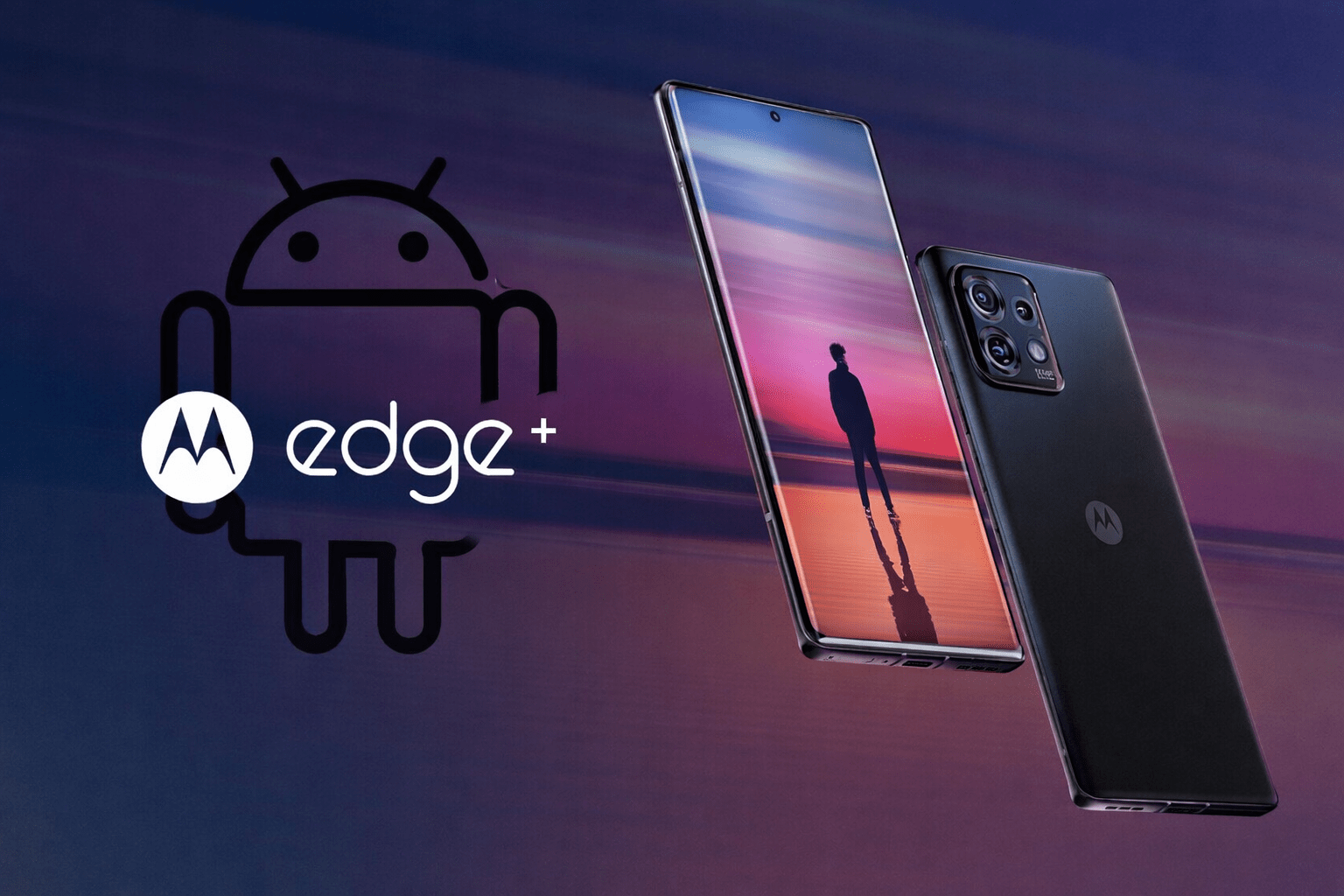
The pressure is even more acute in the budget segment — traditionally Motorola’s stronghold. IDC warns that entry-level smartphones are most exposed to cost increases because memory represents a larger portion of their bill of materials. Last year alone, approximately 170 million smartphones priced below $100 were shipped globally — a segment IDC now describes as economically unsustainable.
“The days of cheap smartphones are gone,” Popal said. “Even when the crisis is over, we don’t expect memory prices to go back down to 2025 levels.”
Some manufacturers anticipated supply constraints and stockpiled memory ahead of price spikes. Others are now racing to secure deals with Chinese memory suppliers, who themselves are struggling to meet surging demand.
Industry sources suggest that brands such as Motorola, Aspera and ZTE may be forced to eliminate unprofitable entry-level models entirely. In Australia, where Motorola faces fierce competition from Oppo and Xiaomi — both aggressively expanding with feature-rich devices — supply constraints could further erode its position. There are also indications that Lenovo may prioritize larger markets over Australia when allocating limited inventory.
IDC warns that the memory crunch is not confined to smartphones, but will ripple across the entire consumer electronics industry.
“The tariffs and pandemic crisis seem a joke compared to this,” Popal said.
Even if production stabilizes in 2027, analysts say the industry is unlikely to return to its old pricing structure. Instead, the crisis may permanently reshape the smartphone market — shrinking volumes, lifting average selling prices and accelerating consolidation.
For consumers, the message is blunt: the era of abundant, affordable smartphones may be over.