Garmin Says Older Sensor Delivers Better Battery Life for Cirqa
 Emma Wheaton
29 Jul 2026
Emma Wheaton
29 Jul 2026
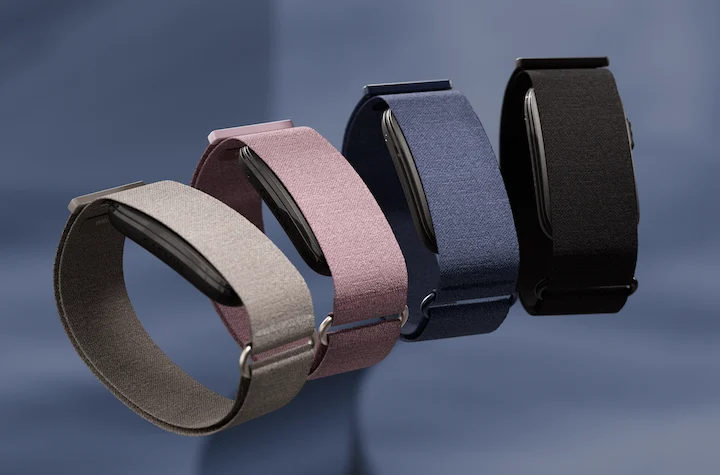
Garmin has defended its decision to equip the new Cirqa Smart Band screen-free fitness tracker with its older Elevate Gen 4 heart rate sensor rather than the newer Gen 5 sensor found in flagship smartwatches. The company insists the choice was deliberate and not a way of cutting costs.
The company argues that the newer Gen 5 sensor’s advanced capabilities are primarily required for premium smartwatch features, including ECG and more sophisticated sports metrics, rather than the continuous health monitoring focus of the Cirqa.
Garmin says the older Gen 4 sensor is better suited to 24/7 health tracking in a lightweight wearable like the Cirqa as it delivers proven performance for heart rate, sleep, stress, Body Battery and wellness metrics while helping to maximise battery life.
According to Garmin, the Cirqa can also broadcast live heart rate data via Bluetooth and ANT+, allowing users to pair it with compatible Garmin smartwatches, cycling computers and fitness equipment. This means users can wear the lightweight band continuously while using another Garmin device for workouts or navigation.

After the launch of the screen-free Cirqa, some consumers questioned why Garmin’s latest wearable used older Gen 4 sensor hardware but carried a premium positioning in the market, prompting Garmin to come out with the explanation.
It makes sense that manufacturers match sensor technology to intended use cases rather than simply fitting every new device with the latest hardware.
The Cirqa also reinforces Garmin’s strategy of building an interconnected wearable ecosystem, where multiple devices can complement each other instead of replacing one another. Users can combine the screen-free tracker with a Garmin smartwatch to access a broader range of health and fitness data, for example, says the company.
Garmin’s new Cirqa Smart Band is a subscription-free health tracker priced at A$299 and available in multiple colours and sizes.