FTC Sues Uber Over ‘Deceptive’ Subscription Practices
 Joe Gallop
22 Apr 2025
Joe Gallop
22 Apr 2025

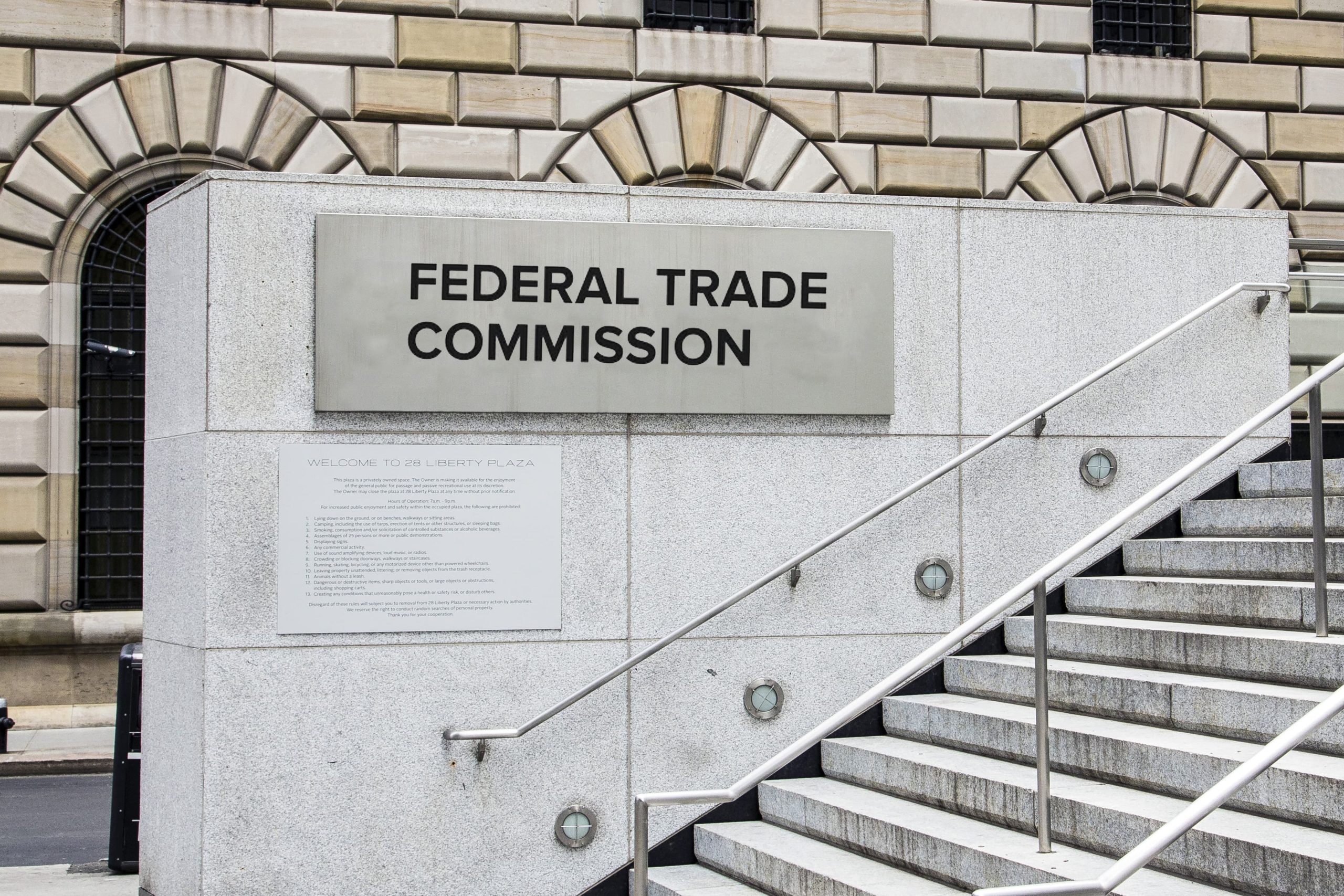
The Federal Trade Commission (FTC) has launched a lawsuit against Uber over what it claims are misleading billing and cancellation practices tied to its subscription service, Uber One.
The FTC, an independent agency of the US government, alleges that Uber enrolled users into Uber One without proper consent, misrepresented the program’s value, and made cancelling the service unnecessarily difficult.
The move marks the first FTC lawsuit against a major tech company since Donald Trump returned to office earlier this year.
Uber has been accused of charging customers for Uber One – its $9.99/month (A$15.50) or $96/year (A$150) subscription service – without clearly informing them or obtaining their consent.
According to the FTC, some users were automatically charged before their free trial ended, despite the company’s promise that cancellations could be made anytime during the trial without penalty.
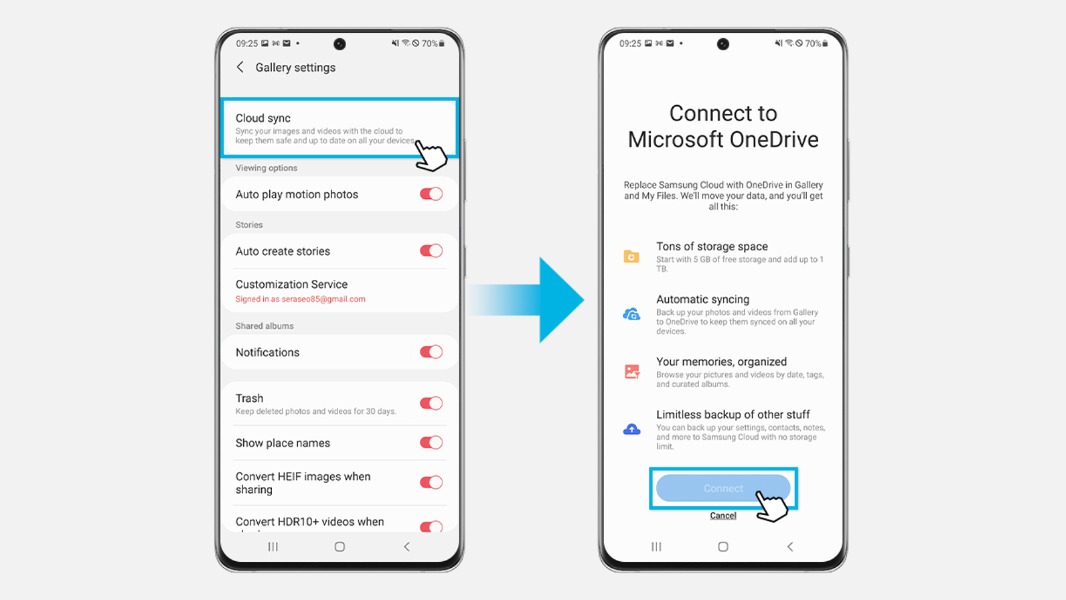
The FTC’s 44-page complaint also accuses Uber of making cancellation a “maze-like” ordeal. In some cases, the agency claims users had to navigate up to 23 screens and perform 32 separate actions just to opt out of the service.
Users reportedly turned to YouTube tutorials just to learn how to cancel. In the 48 hours leading up to a billing date, the app allegedly removed the in-app cancellation option altogether, forcing users to contact customer service, where response times sometimes lagged until after charges were processed.
Uber denies the allegations, saying its practices comply with consumer protection laws.
“Uber One’s sign-up and cancellation processes are clear, simple, and follow the letter and spirit of the law,” said Uber spokesperson Ryan Thornton. “Cancellations can now be done anytime in-app and take most people 20 seconds or less.”
Uber also argued that recent updates have streamlined the user experience, removing the need for customer service intervention and allowing immediate cancellations through the app.
The FTC further claims that Uber One failed to deliver on its promised savings of “up to $25 a month,” as the savings touted didn’t factor in the actual subscription cost. Some users also reported being signed up through credit card partnerships without their knowledge, with charges appearing on bank statements despite never having created an Uber account.
This lawsuit is the latest in a series of regulatory battles for Uber, which has previously settled with the FTC over misleading driver pay claims and a major data breach cover-up.
The timing also raises eyebrows given Uber’s political connections. The company and its CEO Dara Khosrowshahi each contributed $1 million (A$1.5m) to Trump’s inauguration fund, and Uber has recently retained two former FTC commissioners as legal counsel during the ongoing investigation.
If the FTC is successful, Uber could face penalties and be required to overhaul its subscription practices.