Free-to-Air TV Still Dominates Australia Despite Netflix’s 9.3% Share
 Isabella Alexiou
30 Jun 2025
Isabella Alexiou
30 Jun 2025

First comprehensive breakdown reveals Netflix accounts for 9.3% of Australian TV viewing, while free-to-air still dominates at 61.5%.
Netflix accounts for almost 10 percent of all viewing on Australian television screens but remains significantly overshadowed by traditional free-to-air television, according to the first comprehensive analysis of the nation’s viewing habits released by TV measurement company OzTAM.
The inaugural Streamscape report reveals that aerial television still commands 61.5 percent of all minutes watched on television screens across Australia, demonstrating the continued dominance of traditional broadcasting despite the streaming revolution.
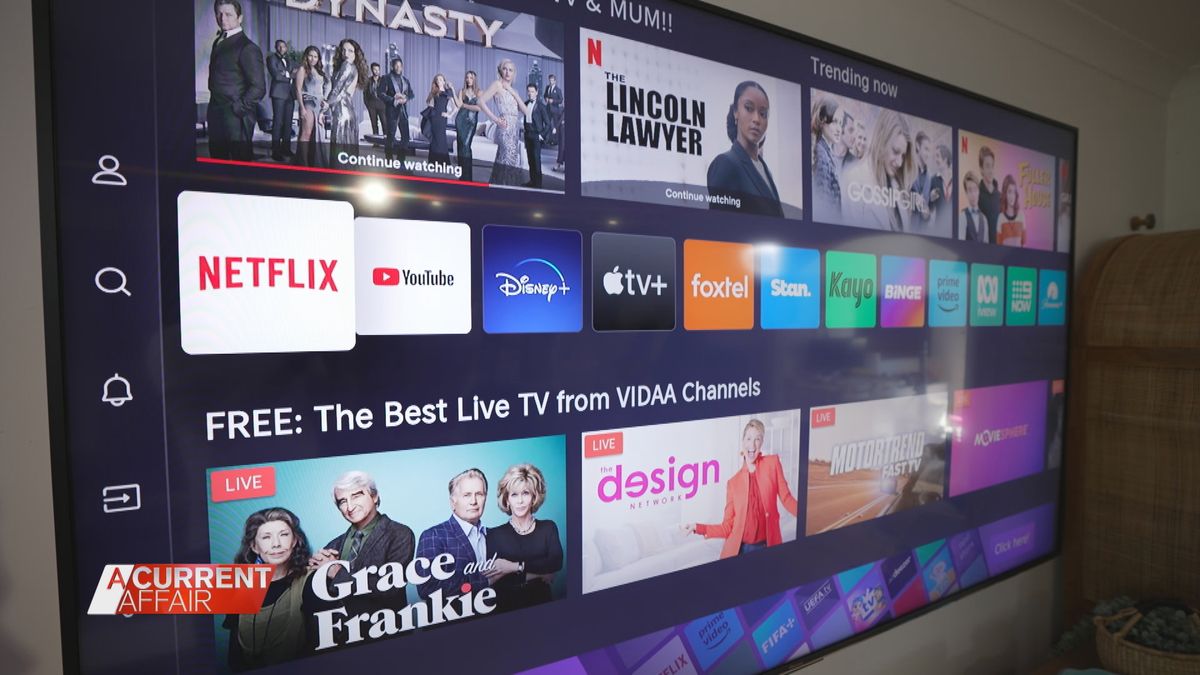
Netflix leads the streaming services with 9.3 percent of total viewing time, followed by YouTube at 7.7 percent, while Disney+ and Amazon Prime Video each captured 2.3 percent of viewing minutes.
The major television networks’ streaming applications, including ABC iview, 7plus, 9Now, 10 Play and SBS On Demand, collectively accounted for 8.4 percent of all viewing.
Other streaming services such as Stan, Binge, Apple TV+ and Kayo combined for 8.5 percent of total viewing time, according to the quarterly report covering January through March.
OzTAM chief executive Karen Halligan described the data as a “game changer” for media companies and advertisers, who are expected to allocate nearly $11 billion to different TV networks and video social media services this year, according to PwC estimates.
The report, modelled after a similar monthly US analysis called The Gauge, has the potential to significantly influence advertising spending decisions across the industry.
Viewing habits show stark generational differences, with younger demographics heavily favouring streaming services, YouTube, and free streaming applications, while older viewers remain more loyal to traditional aerial television.
The analysis also revealed that almost one in five TV sets, or 23 percent of those surveyed, were not connected to the internet, though this is expected to change as new homes are increasingly built without traditional aerials.
The data encompasses approximately 300 billion minutes of viewing each quarter and is gathered from OzTAM’s 8,600-household measurement panel managed by data firm Nielsen, with about 5,000 homes currently equipped with streaming meters.
OzTAM, which is owned by the three major free-to-air networks Seven, Nine, and Ten, plans to release quarterly reports before eventually transitioning to monthly updates.
Australian viewing patterns differ notably from the United States, where streaming overtook aerial and cable television for the first time in May, and where YouTube significantly outperformed Netflix and other streaming services.
Halligan attributes some of these differences to the more aggressive broadcasting of sporting events by YouTube and Netflix in the US market, a trend that has not yet emerged in Australia but could potentially change the competitive landscape.