EXCLUSIVE:JB Hi Fi Drops Struggling Smartphone Brands
 David Richards
27 Jul 2026
David Richards
27 Jul 2026
JB Hi-Fi has dumped smartphone brands from HMD Global, with floor staff telling consumers the brand has been discontinued and that remaining stock will simply sell through from warehouse inventory, according to multiple sources.
The move leaves the UK-based Company with next to no presence in the Australian market, only years after it launched locally on the back of the licensed Nokia brand before making the questionable decision to pivot to its own cheap HMD-branded Android devices.
ChannelNews understands that one large carrier in New Zealand, who had an order placed for the supply of HMD handsets earlier this year, had to switch to a new brand, because the original manufacturer of HMD products in China refused to supply the order because of none paymeny by HMD Global.
In Australia HMD’s business is now being run out of India which is one of HMD’s strongest overseas market for cheap smartphones.
“Indian management don’t give a stuff about Australia” claimed one qulified insider.
Retailers in Australia have told ChannelNews that consumers knew and trusted Nokia, but they had zero brand recognition for “HMD.”
ChannelNews was the only Media site in Australia to flag that their costly bet to move to a house brand HMD model could backfire.
HMD bet it would save money on Nokia royalties by launching its own brand, but without major external marketing budgets, it failed to generate consumer interest.
By late 2024, Nokia-branded smartphones were largely phased out across European markets, erasing the company’s strongest market, now the same is happening in Australia.
Underfunded And Outgunned
HMD’s local problems were structural. The Company lacked funding, and despite spending tens of thousands on questionable brand imagery in the months before the HMD Android launch, it failed to invest in external marketing, relying instead on cheap PR and retailer incentives to push the brand.
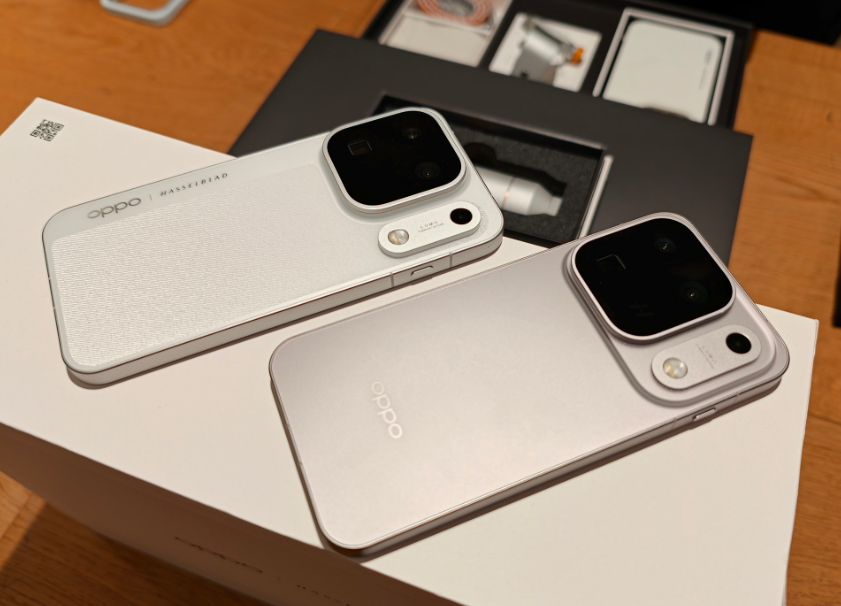
That approach left HMD struggling against Motorola, Samsung and Oppo, all of whom were investing heavily in the Australian Android market.
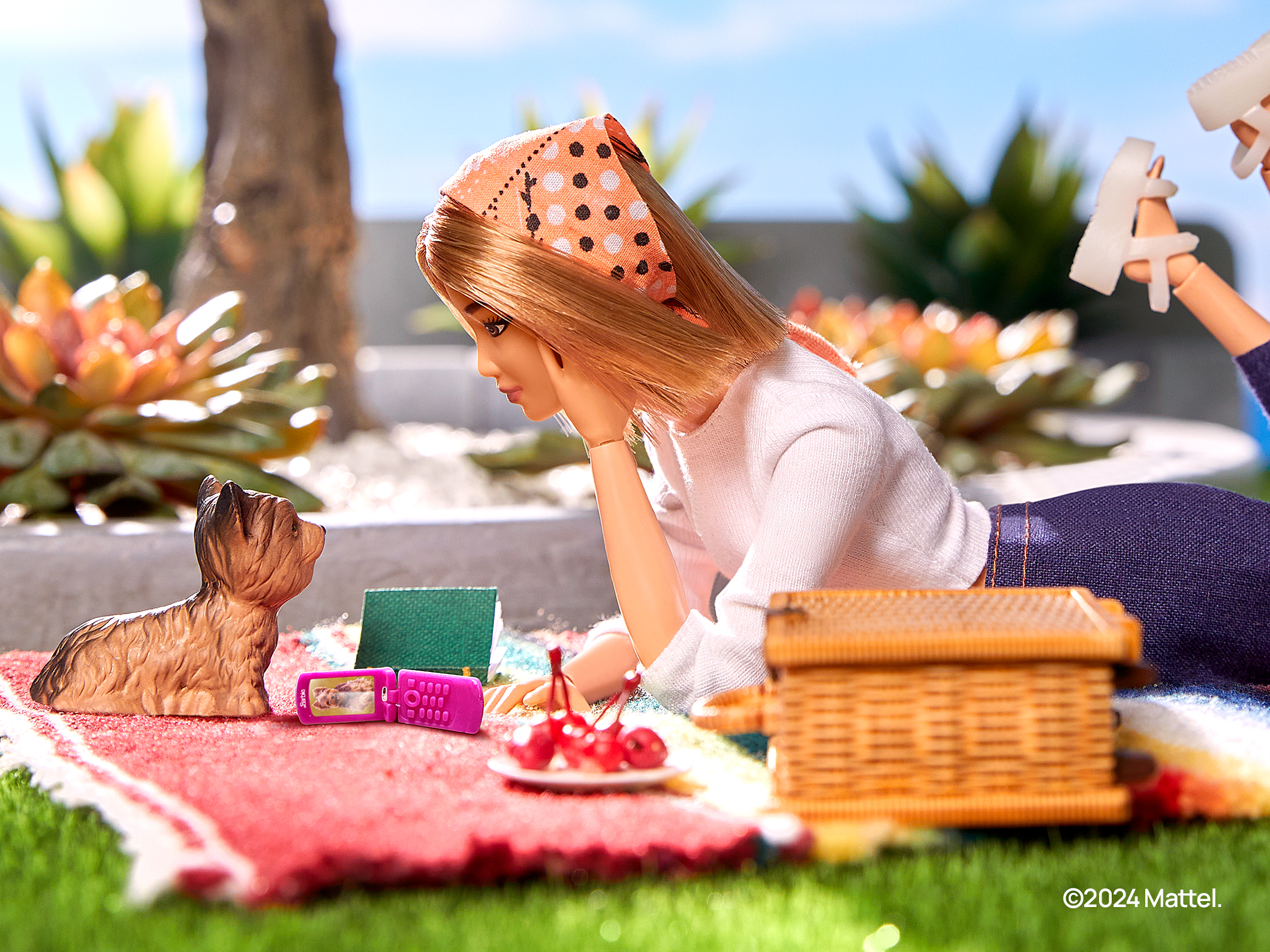
Gimmicks such as repair-your-own smartphone programs, a sustainability pitch and the ill-fated Barbie flip phone failed to move consumers who already knew what Motorola, Oppo and Samsung stood for.
Executive Exodus
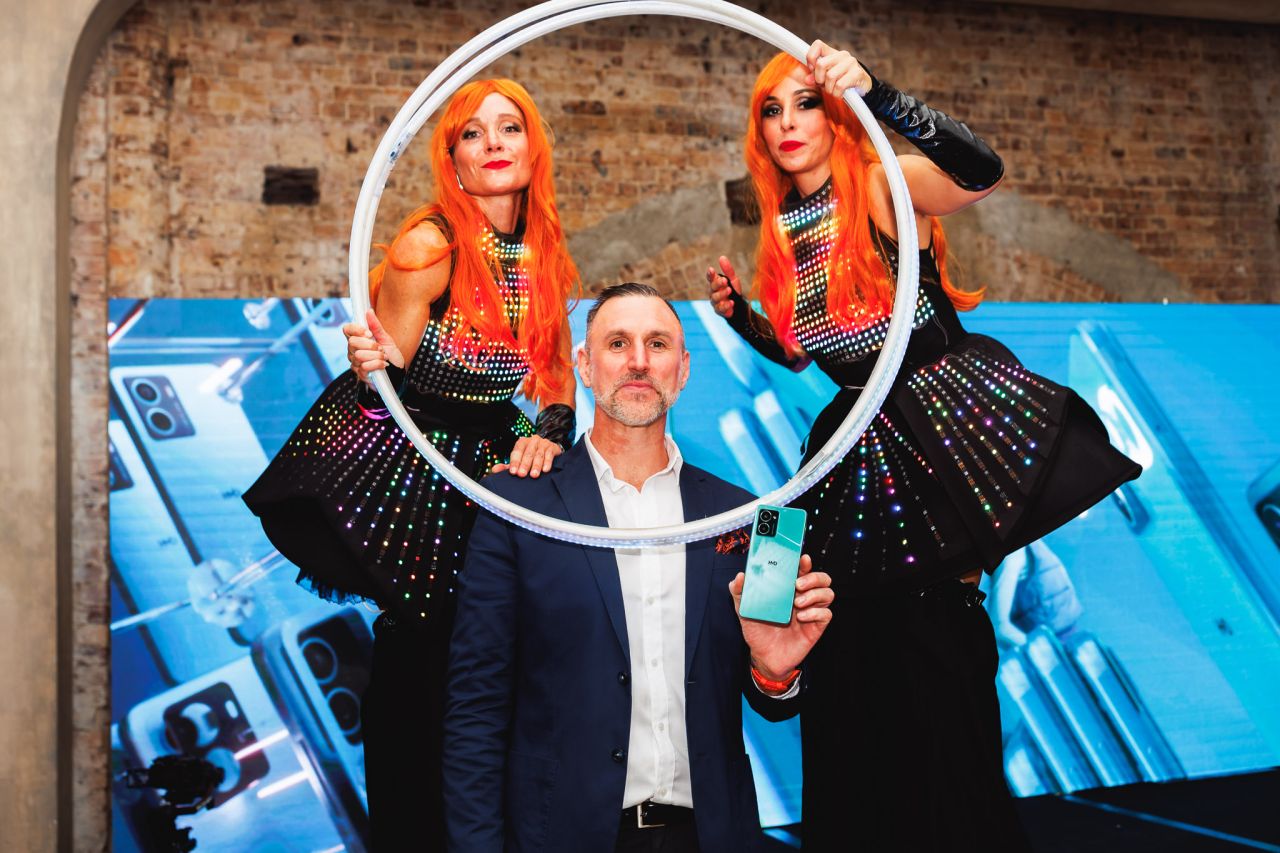
Brenden Folitarik centre, seen at a HMD launch
The brand has also been bleeding management. Brenden Folitarik, who at one stage was head of HMD in Australia after coming across from TCL Mobile, and who describes himself as a “Human-Centric Leader”, in his LinkedIn profile bailed on the business in mid 2025, though he still lists himself as working for HMD.
Also gone is former global marketing director Lars Silberbauer. Repeated managerial changes over months and years hint at a broader repositioning, and raise questions about partnerships such as the Mattel Barbie Flip Phone deal.
The Nokia Bet That Backfired
HMD was formed in 2016 by former Nokia executives, who acquired the handset business Nokia had sold to Microsoft in 2014 and struck a licensing deal to market phones under the Nokia brand.
The original agreement was a 10-year exclusive worldwide licence, with Nokia collecting royalties covering both brand and patent licensing. In August 2023 the two companies amended the deal so that HMD’s exclusive licence expires in March 2026. Nokia does not appear to be seeking a new smartphone licence partner.
The core problem is that HMD bet it would be more profitable to build its own house brand than keep paying Nokia royalties. That strategy is now struggling badly. By 2025 HMD had discontinued all Nokia-branded smartphones, retiring even the rugged XR21, while Nokia-branded smartphones were pulled from European markets by late 2024 with stock simply running out. The home region abandoned the legacy brand first.
Profitability Through Retreat
Tellingly, HMD has not released any global financials since dropping the Nokia brand. It publicly claims ten consecutive quarters of profitability, but that is profitability through retreat, cost-cutting and a pivot to ultra-cheap feature phones, not growth.
The Company abandoned flagships years ago, admitting a premium $800 phone made no sense, and concentrated instead on sub-$500 devices that were not as good as offerings from branded competitors.
The lack of funding forced a full withdrawal from the key US market in July 2025, with the Company instantly shutting down its US web site. Management blamed a “challenging geopolitical and economic environment”, with tariffs the likely trigger given HMD’s budget positioning left no margin room. Only four HMD-branded phones ever launched in the USA, and layoffs accompanied the exit.
What’s Left
The only markets remaining are essentially emerging-market feature phones plus device financing. India is now the key market for the bottom-end value brand.
HMD is scaling Softlock, its in-house device-locking and financing platform, and its 2026 headline features are feature-phone video calling, chat and blockchain-based international money transfers, launching first in India.
For developed markets such as Australia, that leaves HMD with little relevant product and a dying brand licence. The practical question for local retailers is whether ranging residual HMD and Nokia stock was worth the shelf space in the first place.