Europcar Under Fire as Customer Complaints Mount Over Rental Practices
 David Richards
10 Apr 2026
David Richards
10 Apr 2026
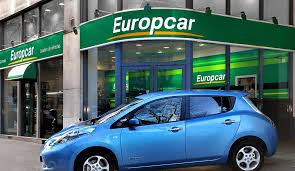
Serious questions are being raised about the business practices of global car rental giant Europcar, with growing calls for the Australian Competition and Consumer Commission (ACCC) to investigate the company’s practises in Australia.
The scrutiny follows reports that customers are being required to sign legally binding rental agreements without first being given the opportunity to inspect vehicles for damage—an approach that consumer advocates warn could expose renters to unfair liability.
At Coolangatta Airport, I was recently told bluntly to “sign the contract or you don’t get a car” after requesting to inspect the vehicle prior to accepting responsibility for its condition. When I pushed back, citing the legal implications of signing without verification, the situation escalated. 
At one stage a so called Eurocar Manager with no customer service skills and more so a lack of understanding of the implications of a signing a contract in Australia intervened and cancelled the booking outright, allegedly stating: “I don’t like your attitude.”
The man who was a foreign national who appeared to have no knowledge of what liability one would be exposing one self to by not sighting a car prior to signing.
The incident raises broader concerns about whether Europcar’s procedures align with standard industry practices, where visual confirmation of a vehicle’s condition—often supported by photos or walkaround inspections—is typically offered before contracts are signed.
Pattern of Complaints Across Platforms
The allegations come amid a significant volume of negative customer feedback across multiple review platforms, suggesting the issue may not be isolated.
On ProductReview.com.au, Europcar holds a low rating of just 1.2 out of 5 based on more than 2,000 reviews. Trustpilot’s Australian site paints a slightly better but still concerning picture, with a 3.1 out of 5 rating from over 3,000 reviews.
A consistent pattern emerges from these reviews, with customers frequently citing:
Unexpected additional charges
Billing disputes
Poor customer service
Difficulty obtaining refunds
Several reviews highlight the severity of customer dissatisfaction:
“Terrible customer service and threatening me with debt collectors even though I was in full cooperation.” — bree.m.carnes
“Would not recommend using them. They are slow and have zero customer service.” — Carolynne
“I was charged extra and they refused to refund my money back.” — Castello P
“Overcharged, scammed and customer service department was a joke.” — L K
“Bogus… Scammers.” — Anonymous reviewer
The consistency of these complaints across independent platforms suggests systemic issues rather than isolated incidents.
Foreign Ownership, Local Operations
Europcar Australia operates under Europcar Holding Pty Ltd, part of a global network ultimately owned by Green Mobility Holding, a consortium led by the Volkswagen Group, which is the largest stakeholder.
While foreign ownership is common in the sector, critics argue that local accountability and compliance with Australian consumer law must remain paramount.
Calls for Regulatory Scrutiny
Consumer advocates say the reported requirement to sign contracts without vehicle inspection could potentially breach Australian Consumer Law if it results in unfair terms or misleading conduct.
The ACCC has not yet announced any formal investigation, but the growing volume of complaints and consistent themes emerging from customer experiences are likely to increase pressure on regulators to act.
Competitors Offer Contrast
In contrast, other rental providers appear to be maintaining more transparent processes. In the same Coolangatta case, the customer reported securing a replacement vehicle through Budget within minutes—where staff provided images of the car and encouraged a pre-rental inspection before signing any agreement.
The comparison highlights a stark difference in customer experience and raises further questions about why Europcar’s practices diverge from industry norms.
A Reputation at Risk
The Jewish Tines recently reported that an Israeli tourist alleged he was refused a car rental at Melbourne Airport by Eoropcar staff because of his Israeli driver’s licence, only to be served immediately by a competitor using the same document.
Noam, an Australian citizen living in Israel, was visiting Melbourne on Sunday for an Israeli real estate event when the incident occurred at the Europcar desk. The case was publicised the next day by activist group J-United.
With thousands of complaints, low customer ratings, and mounting public scrutiny, Europcar faces increasing reputational pressure in the Australian market.
Whether regulators step in may depend on whether these reported practices are deemed widespread—and whether they cross the line from poor service into potential breaches of consumer protection laws.