EOFY Spending Growth Slows As Australians Tighten Household Budgets
 April Ossington
16 Jun 2026
April Ossington
16 Jun 2026
Australian consumers are expected to spend $10.7 billion during this year’s End of Financial Year (EOFY) sales, but new research suggests households remain cautious despite widespread discounting and ongoing retail promotions.
Research from the Australian Retail Council (ARC) and Roy Morgan found around 6.1 million Australians, representing 26 per cent of the population, plan to shop during EOFY sales in 2026. However, spending is forecast to increase by just 1.9 per cent compared with last year, a figure that remains well below the rate of inflation.
The findings highlight the ongoing financial pressures facing Australian households, with many consumers continuing to carefully manage their spending despite the prospect of significant discounts.
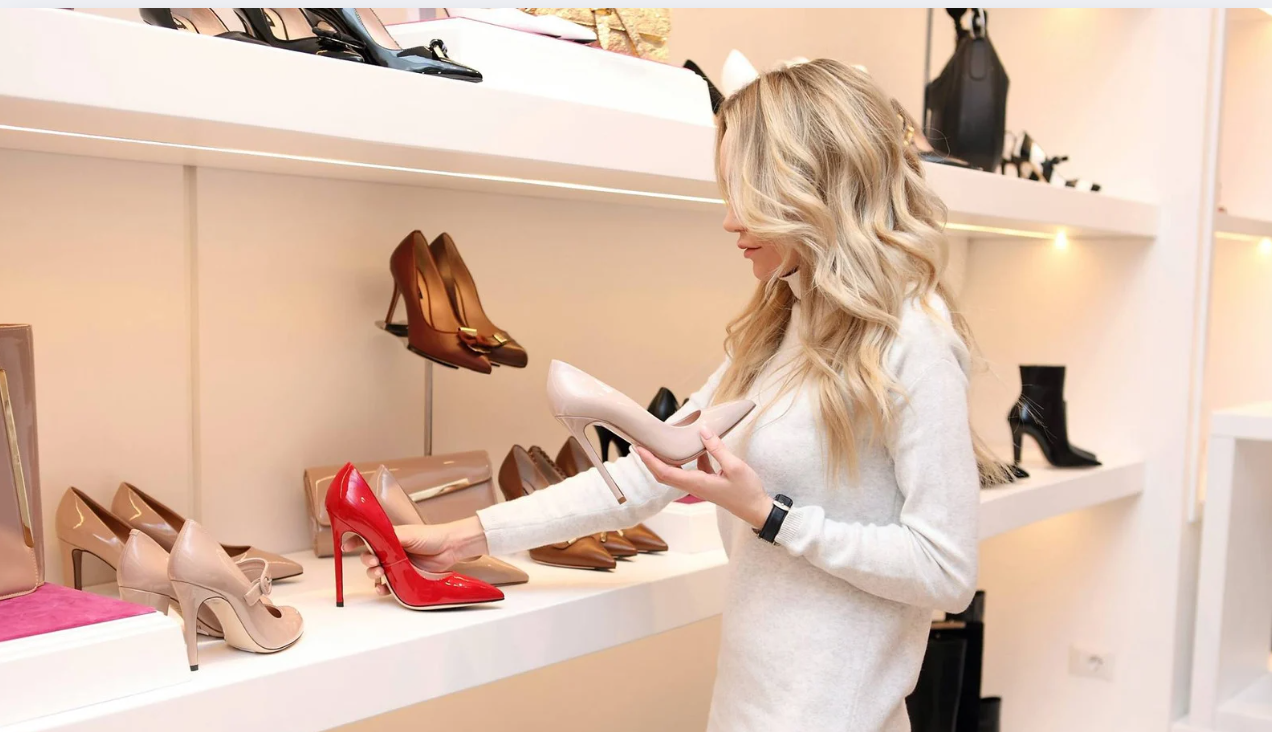
Clothing, footwear and accessories are expected to be the most popular EOFY purchases, attracting 34 per cent of shoppers. Household appliances and white goods follow at 15 per cent, while electronics and technology products account for 12 per cent of intended purchases.
Online shopping continues to play a major role in the sales period, with 44 per cent of EOFY spending expected to occur online, unchanged from last year.
ARC Chief Industry Engagement Officer Fleur Brown said retailers were working hard to deliver value, but consumers remained restrained.
“EOFY provides Australians with an opportunity to secure discounts on a wide range of products and household purchases and retailers are working hard to offer compelling deals and significant discounts. Despite the obvious appeal of a bargain in a tough economy, consumers remain reserved,” Ms Brown said.
“While spending is forecast to increase modestly over last year, the growth remains well below inflation and signals Australian consumers are carefully managing every dollar.”
The research also revealed a notable divide between age groups. Australians aged 35 to 49 are expected to spend significantly less than both younger and older consumers during this year’s sales period.
Consumers aged 35 to 49 are forecast to spend an average of $1,464 during EOFY sales, compared with $1,946 among Australians under 35 and $1,993 among those aged 50 to 64.
Despite overall participation remaining relatively stable, approximately three million Australians who spent money during last year’s EOFY sales do not currently intend to take part this year.
According to Ms Brown, financial pressures may be weighing most heavily on Australians in their peak mortgage and family-raising years.

Getty Images
“The research suggests Australians in their peak mortgage and family-raising years remain more restrained than other age groups when it comes to EOFY spending,” she said.
“By contrast, older Australians are expected to spend more during EOFY sales. Many are more established financially, are more likely to own their home outright and are less exposed to the impact of higher interest rates.”
Among shoppers planning to participate in EOFY sales, 37 per cent expect to spend more than they did last year, while 36 per cent anticipate spending about the same amount. However, 27 per cent expect to spend less, representing an increase of six percentage points compared with last year.
The research also points to mounting pressure on retailers, who continue to face rising operating costs while consumers increasingly seek larger discounts and lower prices.
“The reality is retailers are being squeezed from both sides. Customers are looking for lower prices and bigger discounts, while the cost of running a business continues to climb,” Ms Brown said.
“Retailers are working incredibly hard to deliver value, but continue to face rising costs across wages, leasing, transport, energy and supply chains.
“There is only so much businesses can absorb. The expectation that retailers can continue delivering bigger discounts while facing ever-increasing costs is becoming increasingly difficult to sustain. That’s why we’re calling for swift action by government to relieve pressure on business by reducing red tape and unnecessary regulatory burdens.”
The findings suggest that while EOFY sales remain one of Australia’s biggest retail events, consumers are continuing to prioritise caution over discretionary spending as cost-of-living pressures persist across the economy.