TV Price Shock Looms As Display Supply Chain Hits The Wall
 David Richards
16 Jun 2026
David Richards
16 Jun 2026
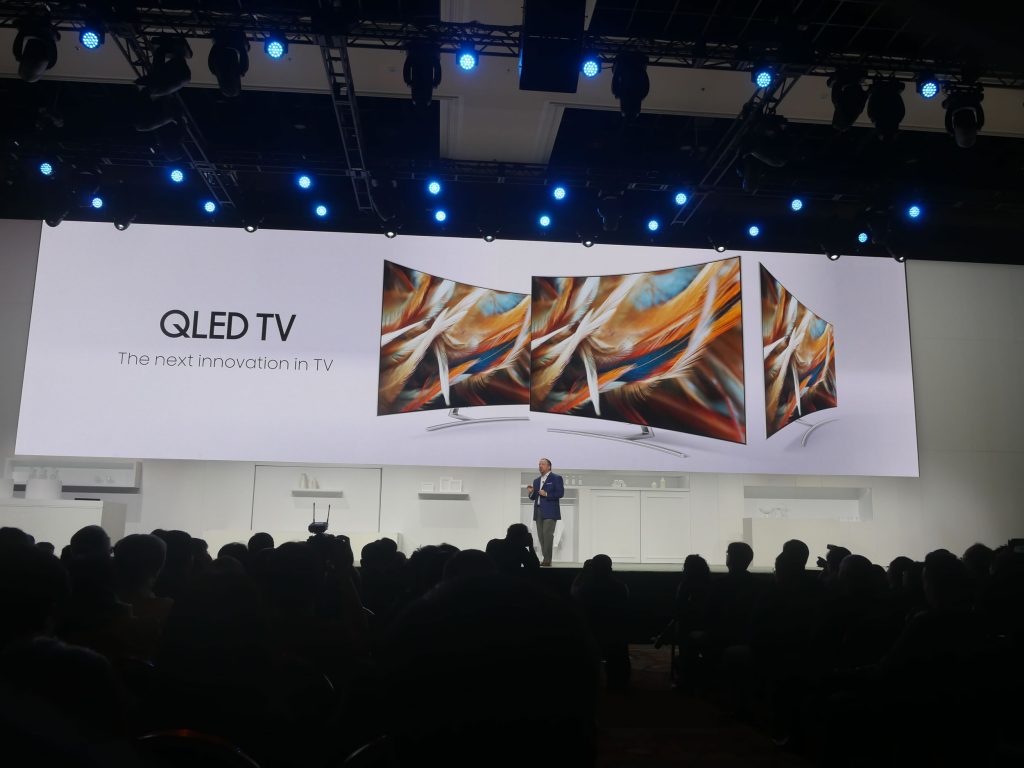
The Australian and global TV and display supply industry has hit a wall, battered by a “perfect storm” of soaring component costs, shipping disruptions, and geopolitical friction that is forcing major brands to hike retail prices despite a flatlining consumer market with retailers forced to discount stock to shift supply.
New data released by market research firm Omdia reveals a severe deterioration in the global tech supply chain.
The research group has sharply downgraded its 2026 global demand forecast, projecting a 6% year-over-year decline in total display demand.
The crunch comes as manufacturers reach a tipping point, unable to continue absorbing the financial hit from external economic shocks.
“The display industry is navigating a perfect storm of challenges,” said Ricky Park, Senior Principal Analyst in Omdia’s Display research practice. “The ongoing geopolitical instability in the Middle East has materially affected cost structures across the supply chain, with rising oil prices, memory component costs, and tariff-related pressures forcing manufacturers to reconsider pricing strategies.”
The Retail Dilemma
For consumers, the era of dirt-cheap screens may be drawing to a close.
While intense retail discounting has kept the current TV market in Australia on life support, industry insiders warn that deep price cuts are no longer sustainable.
According to Omdia, TV panel demand alone is expected to drop 2% this year. The decline follows a late-2025 inventory rush, where Chinese television giants aggressively stockpiled panels at historic low prices. Now, those same manufacturers face a harsh reality: either absorb the ballooning cost of production or pass the bill to an already cash-strapped public.
Industry analysts note that passing costs to consumers is a high-stakes gamble. With household budgets stretched globally, raising retail prices risks freezing discretionary spending entirely or triggering devastating market share losses for brands that blink first.
PC Market Faces ‘Freeze’
While the television sector is stalling, the notebook and PC market is facing an even more acute crisis.
Major computer brands have already begun aggressively raising retail prices by 20% to 30%. Omdia warns that these steep hikes could completely paralyze the consumer replacement cycle, as users opt to hold onto older devices rather than upgrade.
Consequently, Omdia has slashed its 2026 notebook display forecast by a staggering 7.2 million units, with market conditions expected to bleed further into the second half of the year as the full weight of the price increases hits retail shelves.
A Threat to Margins and Quality
The downturn is putting immense pressure on dominant panel suppliers and top-tier set manufacturers like Skyworth, TCL, and Hisense.
Market observers point out that these companies are now forced into damage-control mode. Managing manufacturing “utilization rates”—essentially slowing down factories to avoid an oversupply of unsellable screens—will become critical to survival in the coming months.
To survive the squeeze, hardware brands are quietly weighing desperate measures. Industry experts suggest consumers may soon see “specification downgrades,” where brands quietly strip out premium features or use lower-grade materials to keep retail prices stable without entirely wiping out their own profit margins.
The figures and market intelligence are sourced from Omdia’s latest Display Long-Term Demand Forecast Tracker.