Meta Shares Tumble As Cash Flow Collapses 91%, Australian News Levy Fight Escalates
 David Richards
31 Jul 2026
David Richards
31 Jul 2026
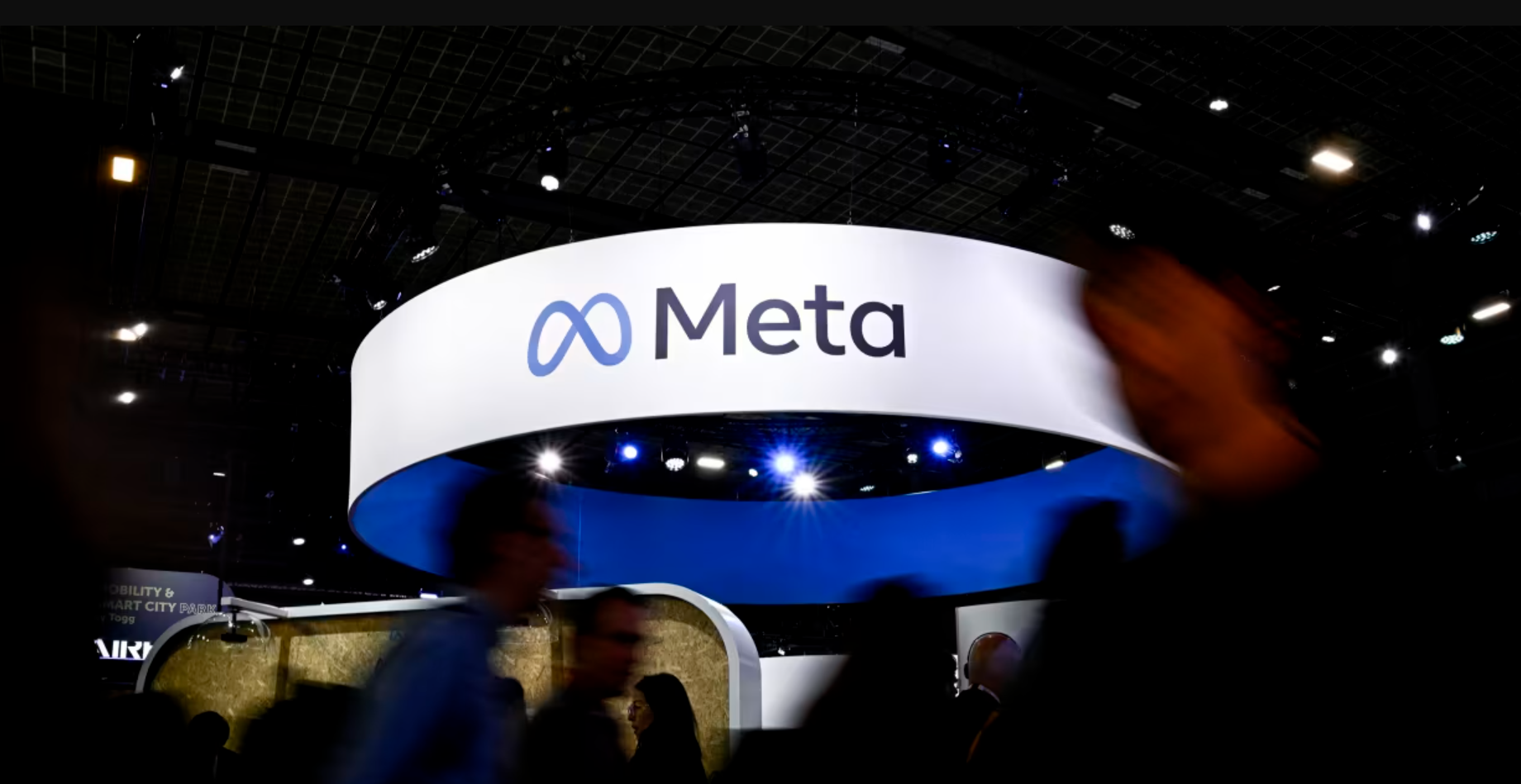
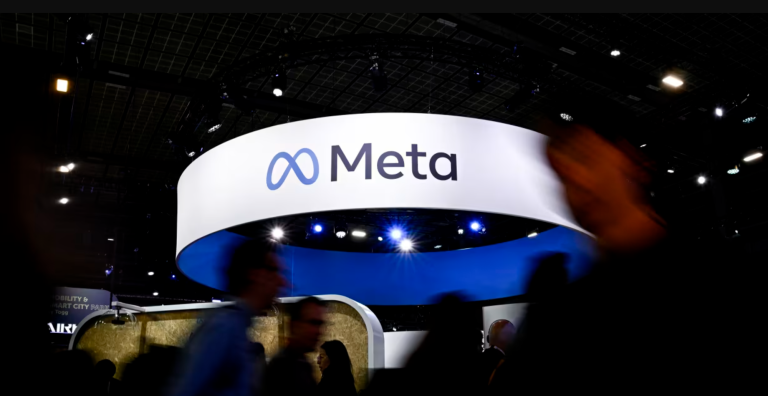
Meta shares fell close to 10% in after-hours trading overnight after the Facebook, Instagram and WhatsApp owner revealed its free cash flow had collapsed 91% in a year to US$784 million, as the Company simultaneously fights the Federal Labor Government over a news bargaining levy that could cost it more than $33 million annually.
The social media giant reported record second quarter revenue of US$60.8 billion, up 28%, but earnings per share of US$6.18 missed Wall Street expectations by close to 14%, and guidance for the current quarter also fell short of analyst forecasts.
The cash flow collapse was driven by capital expenditure of US$31.1 billion in the quarter alone, with Meta now forecasting full year spending of between US$130 billion and US$145 billion on memory chips, data centres and AI infrastructure.
During Wednesday’s earnings call, CEO Mark Zuckerberg failed to provide a clear timeline on when the massive capex program will start generating returns.
Australian Levy Looms
The result lands as Meta escalates its fight against the Federal Government’s News Bargaining Incentive, which would require Meta, Google and TikTok to either negotiate commercial agreements with local media companies or pay a levy of up to 2.25% of revenue generated in Australia, with funds distributed to news outlets based on journalist headcount.
Draft legislation for the News Media Bargaining (Administration) Act 2026 and the NMB Charge Act 2026 was released in April, with the Government aiming to legislate shortly.
If no deals are struck, estimated annual liabilities are roughly $202.5 million for Google, $33.75 million for Meta and $16.9 million for TikTok.
In its June submission, Meta described the scheme as “grossly unfair” and a “discriminatory tax”, and accused Australia of breaching the “treatment no less favourable” commitment in the Australia US free trade agreement, a move seen as inviting US trade retaliation. The White House has described the policy as “foreign extortion”.
Prime Minister Anthony Albanese has championed the policy personally. The original trigger was Meta’s 2024 decision to walk away from commercial deals with Australian publishers, stripping an estimated A$200 million from the local news industry, a move ministers branded “a dereliction of its commitment to the sustainability of Australian news media”.
Some observers claim the Government’s pursuit of Meta is a factor in recent additional US tariffs imposed on Australia.
Publishers And Union Pile On
News Corp Australasia executive chairman Michael Miller said Meta is using its immense market power to refuse to negotiate, and urged the Government to explore every option available under the code’s powers.
The Media, Entertainment and Arts Alliance has demanded the Government use its powers to force Meta to pay, with media president Karen Percy describing the Company’s stance as an arrogant act by a business that believes it is beyond the reach of any government.
Advertisers Question APAC Growth
The result has also raised questions about whether Australian advertisers are cooling on Meta.
Asia Pacific generated US$10.8 billion in advertising revenue for the quarter, up from US$10.6 billion in Q1, an annualised run rate above US$42 billion, but growth of just 1% made it Meta’s weakest region, compared with 19% growth in Europe.
Meta does not break out Australian revenue, however the NBI captures companies with more than $250 million in local revenue, and Meta’s actual Australian ad billings are widely estimated in the low billions of dollars, with most booked offshore.