Electrolux Shares Fall Despite Strong Sales, U.S. Now An ‘Unknown’ Quantity
 David Richards
05 May 2025
David Richards
05 May 2025
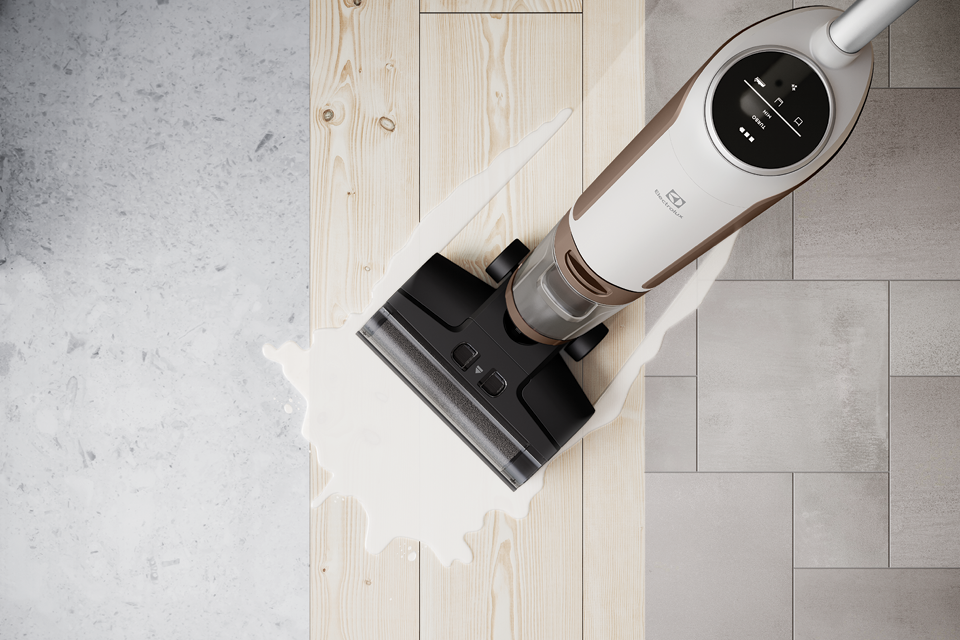
The pressure on European appliance Companies was exposed last week when Electrolux share fell 12% despite the business reporting organic sales growth of 7.9% after reporting strong sales in Latin America and the USA.
Contributing to the Companies lift in sales in the USA was pre ordering by retailers ahead of the introduction of Tariffs that have hit European manufacturers such as Electrolux who are now facing cash flow pressure after lifting the price of Electrolux products into the USA, sales in Asia Pacific were up.
During the quarter, market demand in Europe was largely unchanged year-over-year with Western Europe unchanged and a slight decrease in Eastern Europe.
As for the Australian market this is reported as being stable with the business looking to potentially export goods from their Adelaide based manufacturing operation.
Compared to the first quarter of 2019, demand in Europe was 12% lower.
In Asia-Pacific, consumer demand is estimated to have been stable year-over-year with senior management recently making a whirlwind tour of Australian retailers ahead of new product launches.
In their Q1 2025 filings the business claims that Europe consumer confidence remained below its long-term average with sentiment negatively affected by geopolitical uncertainty.
Management admit that they are looking to invest further in Australia with the Company set to launch several new Electrolux products this year as well as a new AEG range in September 2025.
Management claim that subdued purchasing power continued to result in consumers shifting to lower price points and postponing purchases in discretionary categories, this has seen demand for their Westinghouse branded appliance grow as consumers come under pressure.
Promotional activity increased year-over-year across multiple regions, as a high share of volume is replacement driven with price playing a key role according to analysts.
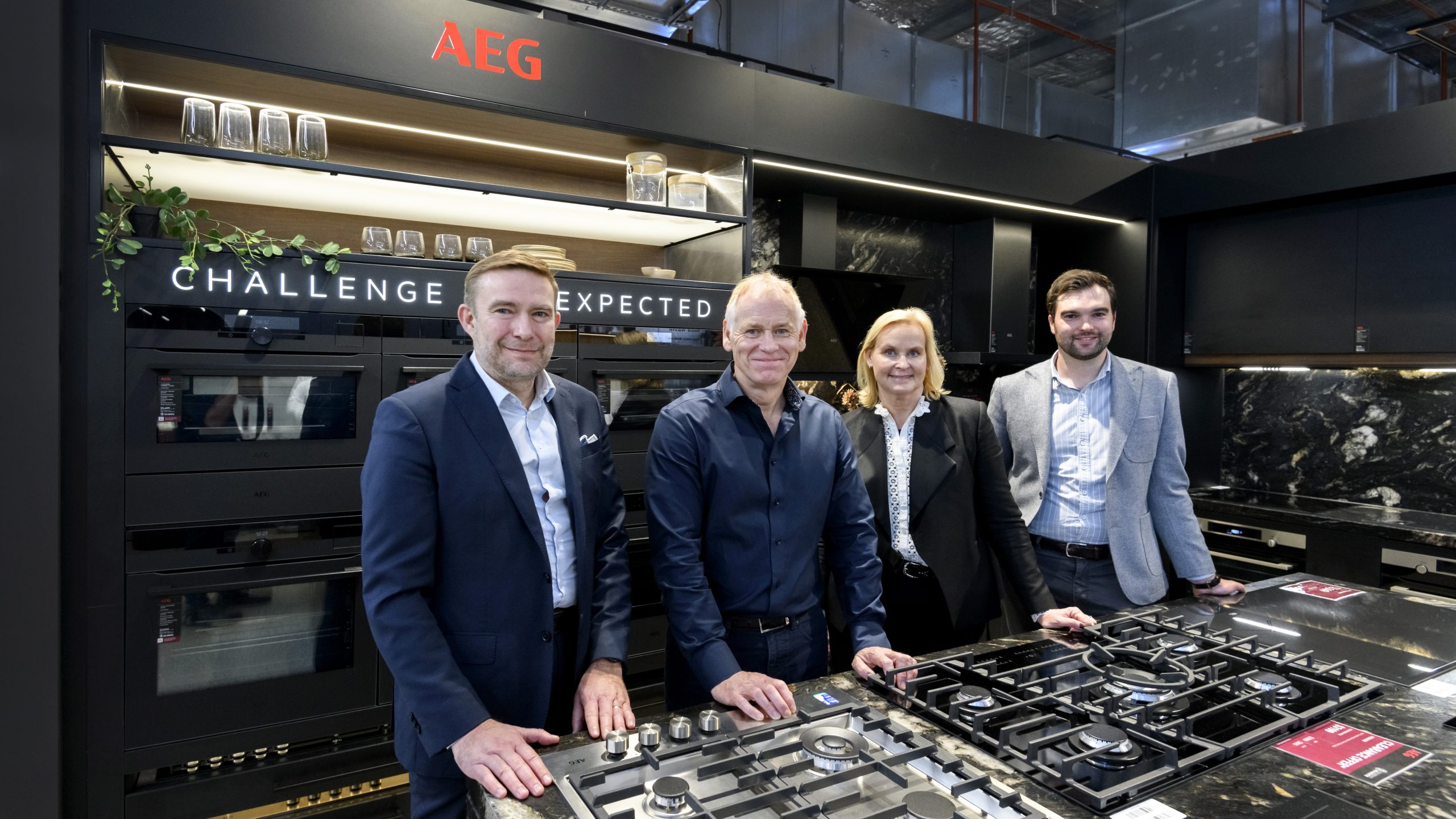
Electrolux management seen with JB Hi Fi Group CEO Terry Smart
Currently the business is focused on higher-value product categories with their new AEG range due in Australia later this year set to be rolled out backed by a major marketing push with specialist retailers including the JB Hi Fi owned E&S, Winnings & Harvey Norman Commercial.
Management claim that improved operating income and margin cost reduction activities contributed to a positive earnings effect as the business moves to introduce cost efficiency measures.
Higher volumes and a favourable mix partly offset the effect from negative price.
Positive currency effects and lower raw material costs more than offset Labor cost inflation.
The Swedish appliance maker posted net sales of A$5.24 billion, a 5% increase from A$4.99 billion a year earlier.
Operating income for the quarter improved, from a loss in the same period last year under the leadership of new CEO Yannick Fierling who recently told ChannelNews that the Company was currently investing in new R&D programs.
This resulted in an operating margin of 1.4%, up from -2.3% in 2024.
The company attributed the improvement to cost-efficiency measures that generated savings, though price discounting had a slight negative impact on earnings.
Despite the favourable operating income, net income came in at $6.75 million, compared to a net loss in the first quarter of 2024.
A big issue for the business is operating cash flow due in part to seasonal outflows of working capital that offset improved earnings and lower investment levels.
By region, North America saw a 12.2% increase in organic sales, driven by higher volumes, particularly in premium laundry, refrigeration, and cooking products.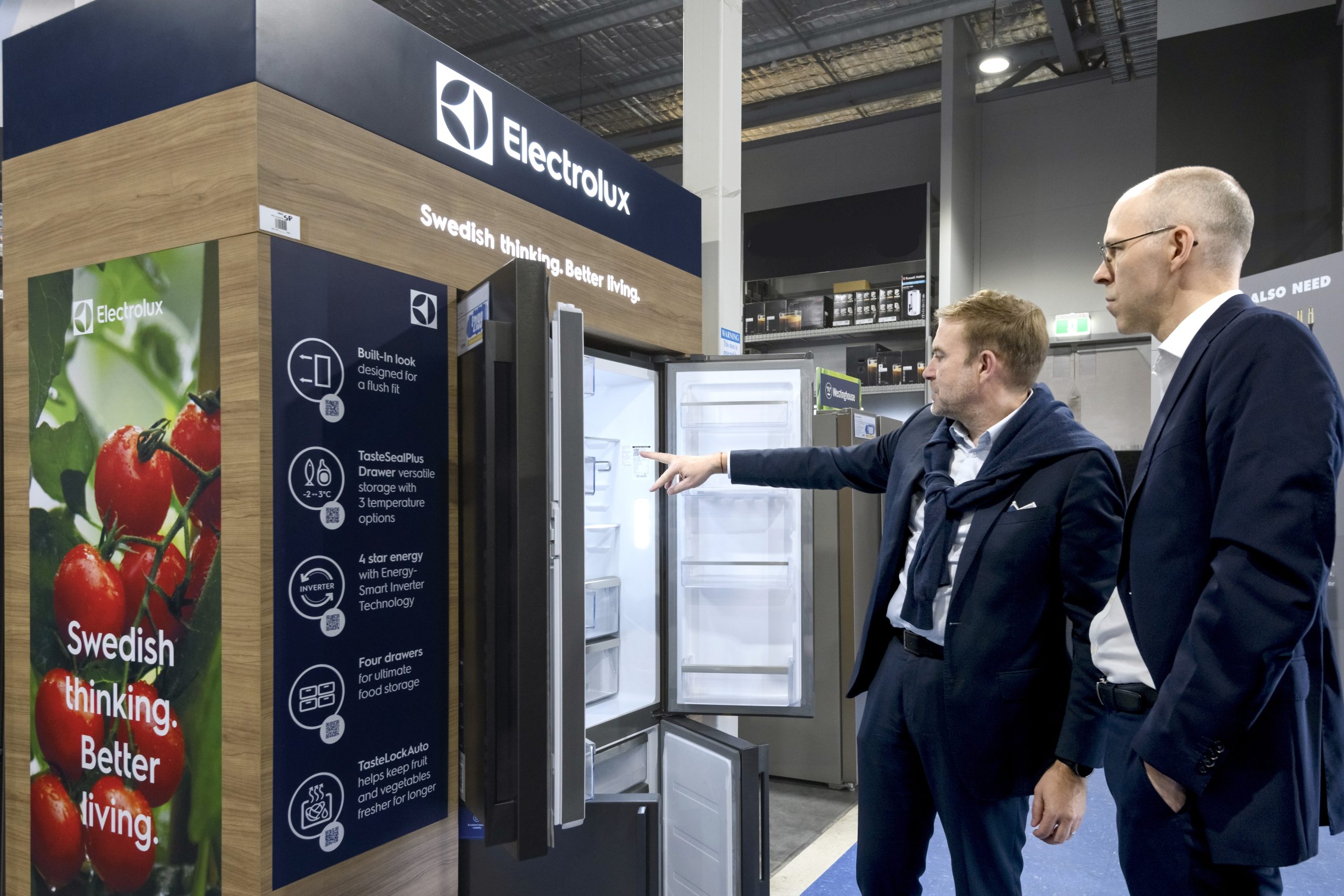
This was driven by forward orders by US retailers and distributors stockpiling ahead of the Trump Tariffs. The problem now is the next two quarters with European appliance manufacturers facing a 25% tariff at this stage on new stock shipped to the USA from Europe.
CEO Yannick Fierling claims that the market environment has “become more uncertain”.
This led to the company downgrading its outlook for the USA from “neutral” to “neutral to negative” for the remainder of 2025.
The company also adjusted its business outlook due to changes in U.S. trade policies, forecasting a positive impact from price adjustments and cost efficiencies, but with a significant negative external impact from tariffs and currency fluctuations.
Electrolux’s financial position showed some stress, with net debt rising to A$4.95 billion as of March 31, 2025, up from $4.48 billion at the end of 2024.
The company’s net debt-to-EBITDA ratio stood at 3.4, the same as year-end, but improved from 5.2 a year earlier.
Return on net assets (RONA) showed improvement, climbing to 4.7% compared to a negative 7.3% in the first quarter of the previous year.
Going into the second quarter of 2025, the demand outlook for home appliances is increasingly uncertain the Company claims.
On the back of this, the Swedish appliance maker has adjusted their market outlook with demand in Europe & Asia-Pacific as well as Latin American remaining” Neutral” the Company claims.
” We have also adjusted our business outlook due to changes in U.S. trade policies. We now expect a positive impact from volume/price/mix primarily as a result of our price increases aimed at offsetting tariff related cost inflation reflected in the change in external factors from “Negative” to “Significantly negative.”
“One of our major strategic pillars is to drive profitable growth. To ensure this, we continued to invest in innovation and marketing in the quarter. Our improved market position demonstrates our ability to create sustainable consumer experiences and continuously improve our offering. With good progress on cost reductions in the first quarter we are well on track to reach $648M in savings for the full year 2025”.
The Company claims that it is also crucial to continue to improve the results in the USA while simultaneously navigating the current uncertain market environment.