Electrolux–Midea Deal Raises Questions Over Australian Supply Chains
 David Richards
24 Apr 2026
David Richards
24 Apr 2026
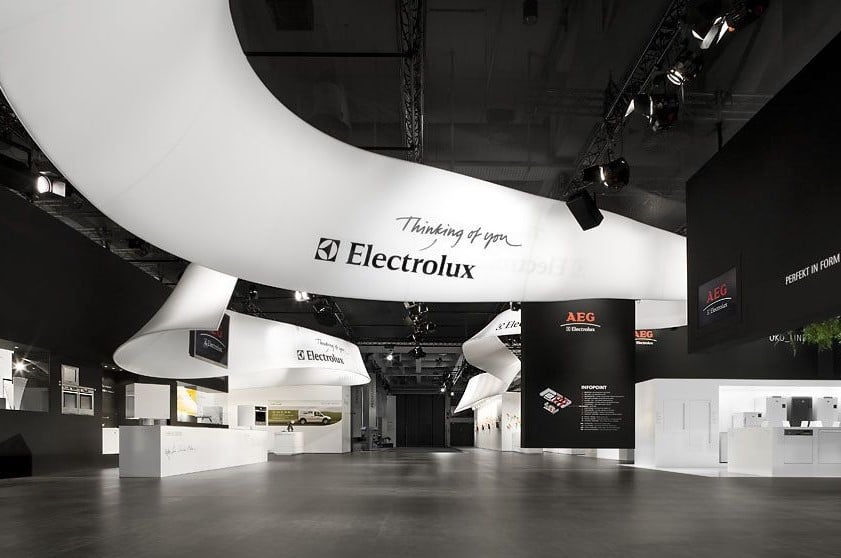
A major new partnership between Electrolux Group and Midea Group is triggering uncertainty in the Australian appliance market, with retailers questioning how long Melbourne-based distributor Residentia Group will continue to rely on Midea for manufacturing.
Industry sources told ChannelNews that Midea is actively pursuing growth in Australia, with product ranges similar to those currently supplied to Residentia—many of which are manufactured in Midea’s Chinese factories. That overlap has raised concerns about potential channel conflict and future supply arrangements.
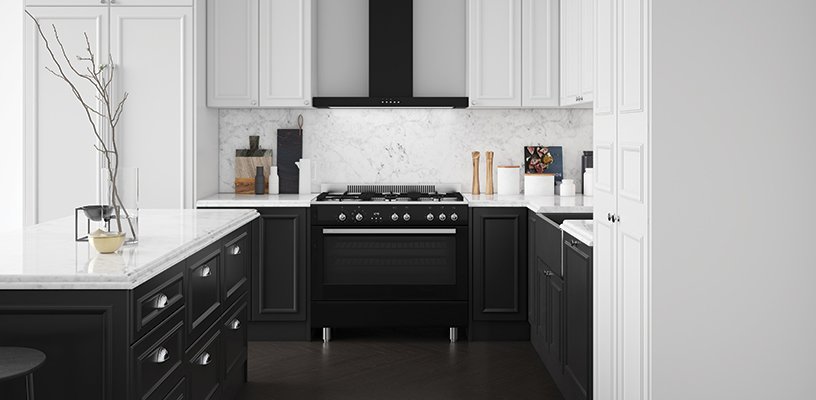
Omega appliances that are sold by Residentia are manufactured by Midea.
The uncertainty follows an announcement overnight that Electrolux and Midea have entered into a long-term strategic partnership focused on refrigeration and laundry products, aimed at boosting Electrolux’s performance in the USA. The agreement spans manufacturing and sales across key categories, signalling a significant shift in Electrolux’s global sourcing and production strategy.Electrolux said that they will shortly launch a US$976.34 million rights issue after they unveiled their new tie-up with rival Chinese Midea Group.
The new relationship will consist of three joint ventures as the newly appointed global CEO restructures the Swedish Companies operations.
One of the joint ventures will sell food preservation products for the USA, a second JV will operate a food preservation factory in Mexico, and a third will operate a factory in South Carolina as a fabric care unit, Electrolux said in a statement.
Analysts say the deal reflects a broader industry trend of Western appliance brands partnering with Chinese manufacturers to gain cost efficiencies and scale. The move is also expected to intensify competition in key categories such as fridges and washing machines, where Electrolux is looking to strengthen its position against rivals including Haier, LG, Whirlpool Corporation and Samsung Electronics.
For Australia, the implications could be immediate. Residentia—seen as a competitor to both Midea and Electrolux, particularly the Westinghouse label—may face rising costs if Midea reduces or ends its manufacturing support. Such a move could force the distributor to seek alternative suppliers, potentially at higher prices.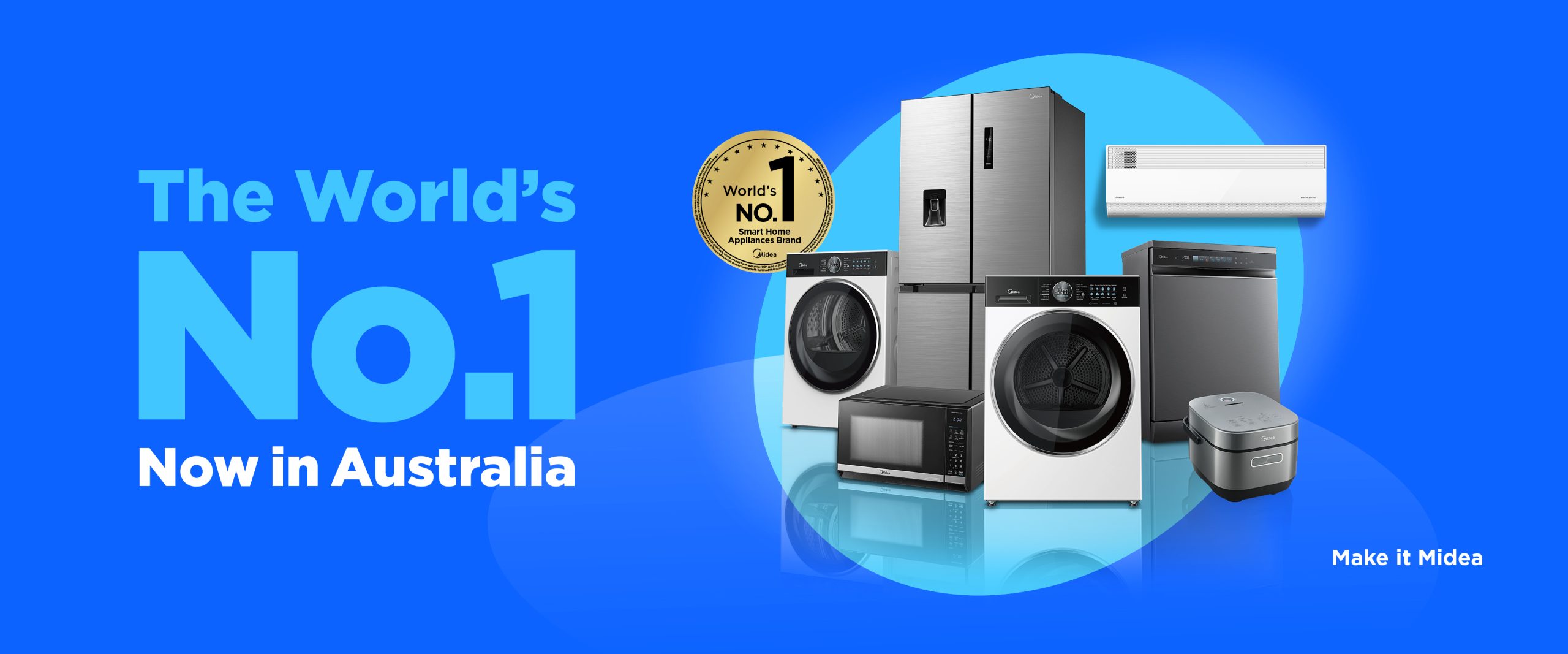
The partnership marks a pivotal moment for Electrolux, which is seeking to accelerate growth in the USA market. Midea, which reported sales of AU$89.3 billion last year and had previously explored acquiring Electrolux, brings significant manufacturing scale and operational expertise to the deal.
Electrolux said the agreement will support long-term profitable growth, improve cost competitiveness, and enhance flexibility across its operations. The company expects the partnership to deliver increasing cost efficiencies over the next three years, alongside stronger product offerings driven by innovation.
The strategy is being led by Yannick Fierling, who took over as President and CEO on January 1, 2025, succeeding Jonas Samuelson. Based in Stockholm, Fierling previously served as CEO of Haier Europe and brings extensive experience in the appliance sector.
Under the agreement, Electrolux will introduce a new operating model across selected parts of its USA business, aimed at expanding product ranges and accelerating the rollout of digital features. The partnership will also leverage more than 20 years of existing supplier relationships between the two companies.
Electrolux said the collaboration will begin in the third quarter of 2026, with cost savings expected from that point and increasing over time. The company believes the move will strengthen its ability to innovate, respond to shifting consumer demands, and compete more aggressively in global appliance markets.
However, for Australian retailers and distributors, the immediate concern remains clear: whether Midea’s global ambitions will come at the expense of existing local partnerships.